

The ASTM D2565-16 standard, developed by the American Society for Testing and Materials (ASTM), covers the specific processes and test conditions applicable to xenon-arc exposure of plastics conducted in accordance with ASTM 151 and ASTM G155 standards. This standard also covers the preparation of test specimens, the optimal test conditions for plastics, and the evaluation of test results.
For many applications, the ability of a plastic material to resist degradation of its electrical, mechanical, and optical properties caused by exposure to light, heat, and water is crucial. The ASTM D2565-16 standard aims to identify property changes associated with end-use conditions, including the effects of daylight, humidity, and heat. However, the exposure used in this application is not intended to simulate degradation caused by local weather conditions such as atmospheric pollution, biological attack, and exposure to salt water.
If working conditions vary within the limits accepted in this application, there will be differences in results. Detailed information about warnings regarding the use of results obtained according to this application is contained in the ASTM G151 standard. Additional information on strategies for addressing variability and sources of variability in the design, execution, and data analysis of accelerated laboratory exposure tests is described in the ASTM G141 standard.
Important factors on test results include line voltage regulation, absence of salt or other deposits in the water, temperature and humidity control, condition of lamps and filters, and age.
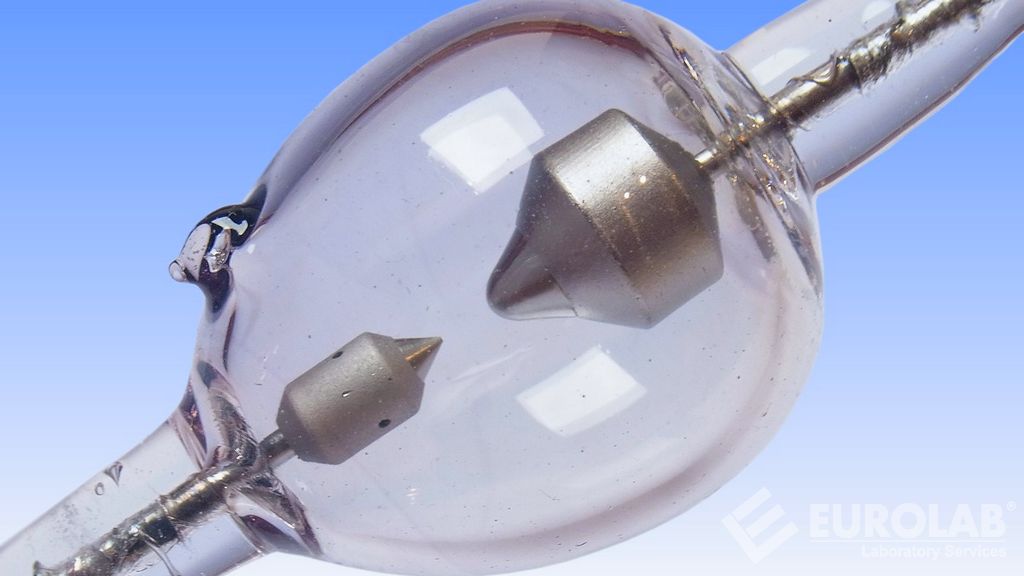
Accelerated etching is a method that simulates the detrimental effects of prolonged outdoor exposure by exposing test specimens to varying conditions of light, humidity, and heat, which are the most effective ways to etch. These tests generally use a xenon arc light source to provide a radiation spectrum that simulates natural sunlight. Humidity is provided by a humidifier and direct spray. The temperature is controlled by the heaters.
Among the numerous test, measurement, analysis and evaluation studies it provides for businesses in various sectors, our organization also provides testing services for xenon-arc exposure of plastics for outdoor applications within the scope of ASTM D2565-16 standard, with its trained and expert staff and advanced technological equipment.
To get an appointment, to get more detailed information or to request an evaluation, you can ask us to fill in our form and reach you.

