

The chemical composition of steel materials contains a lot of information about the material's trends, but test results prove the strength, hardness and quality of the final material.
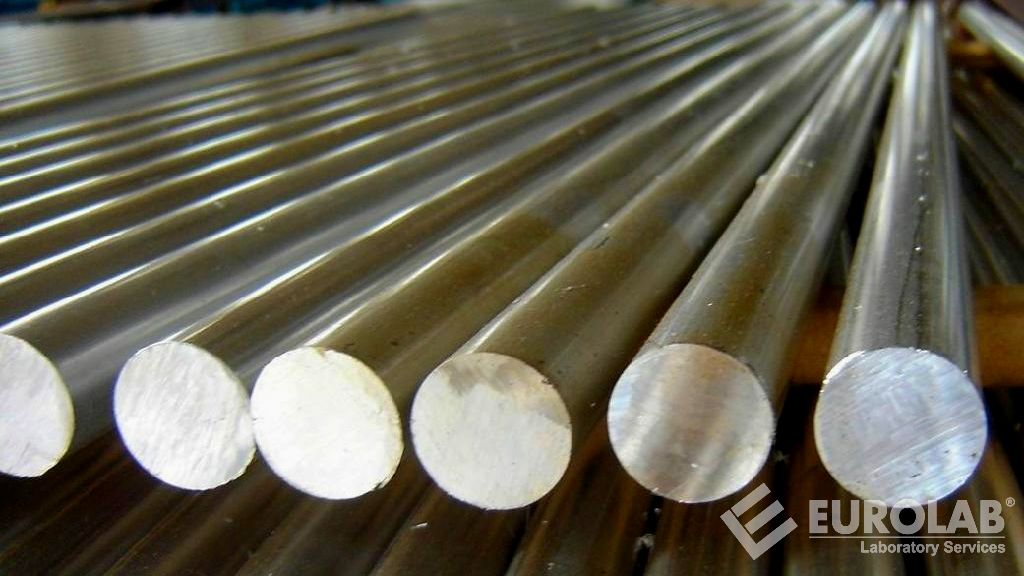
One of the most common and important tests performed on a steel material is the strength test. With this test, the mechanical properties are tested, evaluating the yield point, tensile strength and percent elongation of the material. The test results show the highest load the material can bear before it fails.
The yield point is the point at which the stress of a force permanently changes the shape of the material. Tensile strength is the force required to cause the material to break or fail. Elongation is how much a material can bend or stretch relative to its original length. The elongation is calculated as the percentage difference between the yield point and the tensile strength. Elongation is also often used to indicate ductility. The greater the elongation, the more ductility a material has.
Steel is generally classified according to its carbon content. All steels contain at least some carbon. After all, steel is defined as an alloy of iron and carbon. If carbon is added to iron, the metal becomes stronger and harder. For this reason, many manufacturing and construction companies prefer steel to traditional iron. But not all steels have the same carbon to iron ratio. Some steels have a higher carbon to iron ratio than others. Specifically, there are three types of steel as low carbon, medium carbon and high carbon steel:
Among the numerous test, measurement, analysis and evaluation studies it provides for businesses in various sectors, our organization also provides steel quality tests (carbon and elemental ratio examination in its alloy) services with its trained and expert staff and advanced technological equipment.
To get an appointment, to get more detailed information or to request an evaluation, you can ask us to fill in our form and reach you.

