

Chamber emission testing (emission chamber test or volatile organic compounds VOC emission chamber test) is a laboratory testing method that uses a controlled environmental chamber to measure the release (emissions) of volatile organic compounds (VOCs), formaldehyde, odors, or other chemical substances into the air from materials, products, or components.
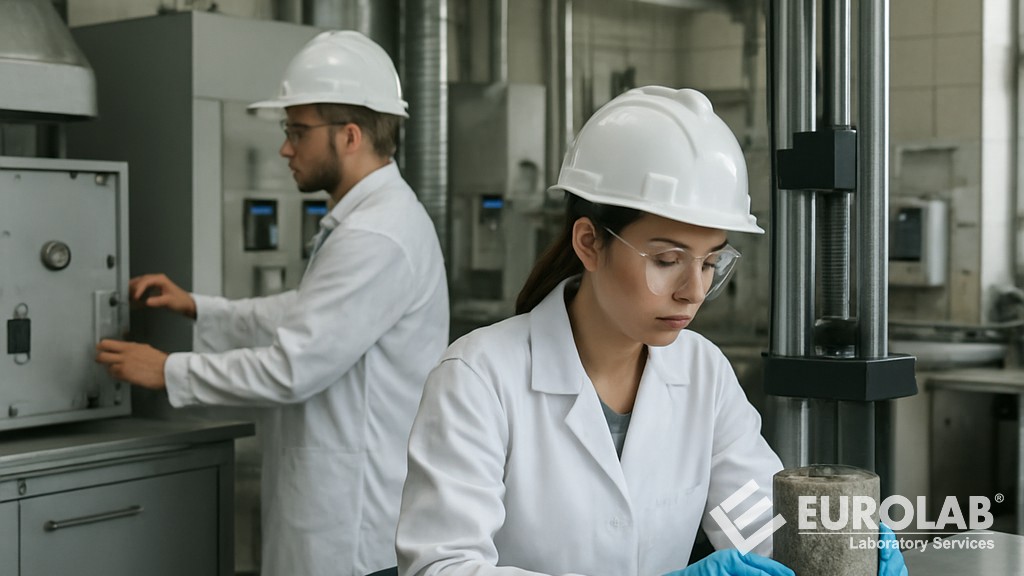
During testing, the sample (a material, part, or assembly) is placed in a closed or ventilated chamber under precisely controlled conditions—such as temperature, humidity, air exchange rate, and sometimes duration—to simulate real-world indoor environments. Air samples are then collected and analyzed to quantify the released substances (usually via gas chromatography or similar techniques).
This testing method is most commonly used in the automotive industry to test volatile organic compound and odor emissions from interior components (such as seats, instrument panels, door panels, carpets, adhesives, and plastics). It helps reduce new car odor complaints and promotes healthier cabin air quality.
Room emission tests are primarily carried out in accordance with the following standards:
Larger chambers can test complete components or subassemblies, while smaller/micro chambers are used for faster scanning.
This testing method also evaluates emissions from products such as furniture, flooring, paint, adhesives, wood-based panels, electronics, and toys. It determines whether products comply with low-emission certifications (e.g., green building labels, volatile organic compound regulations). Common standards include:
High volatile organic compound (VOC) emissions can cause health problems (irritation, headaches, nausea), especially in enclosed spaces such as new cars or newly furnished rooms. These tests help manufacturers limit emissions, comply with regulations, and improve product safety and consumer comfort.
In short, chamber emission testing refers to a controlled laboratory method using an emission test chamber. It is primarily concerned with the release of indoor/material-derived chemical emissions into the air.
Emission testing in enclosed spaces (such as vehicle cabins or buildings) is necessary for several critical reasons, including protecting human health, ensuring compliance with regulations, maintaining product quality and comfort, and supporting manufacturer accountability.
This test is considered necessary for the following reasons:
These emissions originate from interior materials such as plastics, adhesives, foams, textiles, leather, paints, and carpets. These emissions are particularly high in new or recently manufactured products (the classic new car smell is largely due to this type of emission).
Short-term exposure can cause the following:
Long-term or repeated exposure (e.g., daily commute) increases the following risks:
In hot conditions (e.g., a car parked in the summer sun), emissions increase significantly (up to 20 times higher), exacerbating these effects. Room tests simulate these real-world conditions (temperature, humidity, air exchange) to measure emissions and detect hazardous substances early.
Failure to meet these standards can block market access, trigger recalls, or lead to penalties. Chamber tests provide the precise, repeatable data required for certification.
For many years, our organization, with its competent and experienced team, has been understanding the needs of its clients, providing the advanced testing services they require, and assisting in the establishment, implementation, and improvement of management systems. Within this framework, we also provide room emission testing services to businesses.
To get an appointment, to get more detailed information or to request an evaluation, you can ask us to fill in our form and reach you.

