

Developed by Suzuki Motor Corporation as part of aluminum material standards, the “SES N 3136 Aluminum structural materials” standard describes the requirements for aluminum structural materials used in automotive components where load-carrying capacity, weight reduction, and durability are critical.
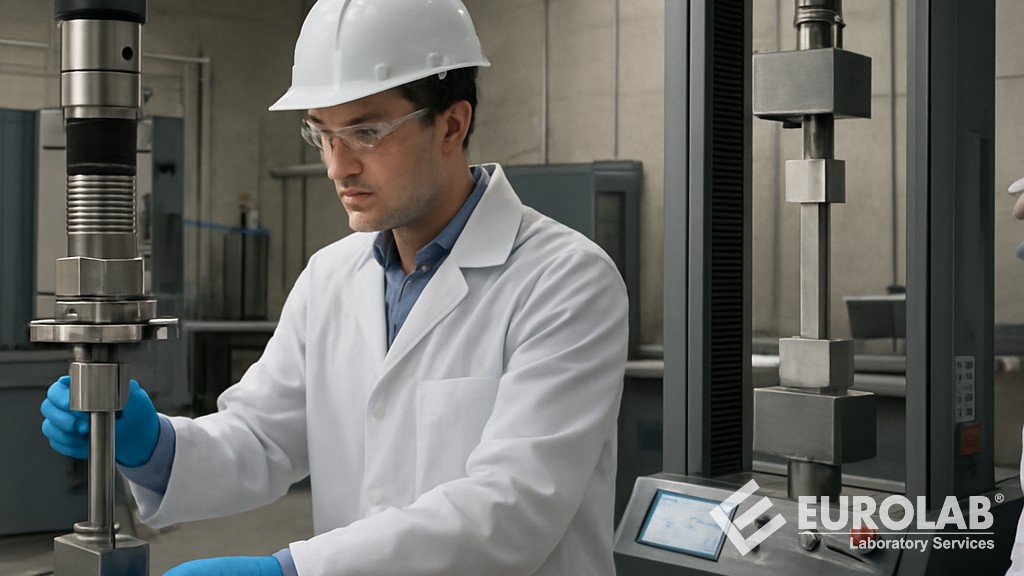
The automotive industry is undergoing a major transformation driven by the need for lightweight, fuel-efficient, and environmentally friendly vehicles. One of the key materials enabling this change is aluminum. As a structural material, aluminum plays a crucial role in reducing vehicle weight while maintaining safety, durability, and performance.
Aluminum structural materials are now widely used in both internal combustion engine vehicles and electric vehicles. Here, weight reduction directly contributes to increased energy efficiency and range.
Aluminum structural materials refer to engineered aluminum alloys used in the load-bearing components of a vehicle. These materials are specifically designed to withstand mechanical stresses, impacts, and long-term fatigue.
These materials are generally supplied in different ways:
Typical alloy families include:
The basic properties of aluminum in structural applications are as follows:
Aluminum structural materials are used in a wide range of automotive components:
Aluminum is particularly important in electric vehicles because it helps balance the weight of the batteries, increasing driving range and efficiency.
Aluminum structural components are manufactured using a variety of advanced production techniques:
Combining methods include the following:
These processes enable manufacturers to strike a balance between cost, performance, and manufacturability.
The SES N 3136 standard defines the following:
This standard ensures consistency, safety, and quality in global supply chains, especially for critical structural components.
The role of aluminum in automotive structures is expected to increase for the following reasons:
Automotive manufacturers are increasingly combining aluminum with steel and composites to achieve optimum performance.
Consequently, aluminum structural materials have become a cornerstone of modern automotive engineering. Their ability to reduce weight, increase efficiency, and improve safety makes them indispensable in today's vehicles. Despite some challenges, ongoing innovation and standardization ensure that aluminum continues to play a vital role in shaping the future of transportation.
The SES N 3136 standard typically covers the following:
SES N 3136 defines the following stringent requirements:
Materials conforming to the SES N 3136 standard are used in the following areas:
These applications take advantage of aluminum's ability to reduce vehicle weight, improve fuel efficiency, and enhance performance while maintaining structural strength.
The SES N 3136 standard is considered necessary for the following reasons:
In conclusion, the SES N 3136 standard is a critical automotive materials standard that defines the quality, performance, and consistency of aluminum structural components.
For many years, our organization, with its competent and experienced team, has been understanding the needs of its clients, providing the advanced testing services they require, and assisting them in the establishment, implementation, and improvement of management systems. Within this framework, we also provide testing services compliant with the SES N 3136 standard.
To get an appointment, to get more detailed information or to request an evaluation, you can ask us to fill in our form and reach you.

