

The European standard “EN 16056 Effect of metallic materials on water intended for human consumption - Method for evaluating the passive behavior of stainless steels and other passive alloys” describes a procedure for evaluating the passive behavior of stainless steels and other passive alloys used in products intended to come into contact with drinking water.
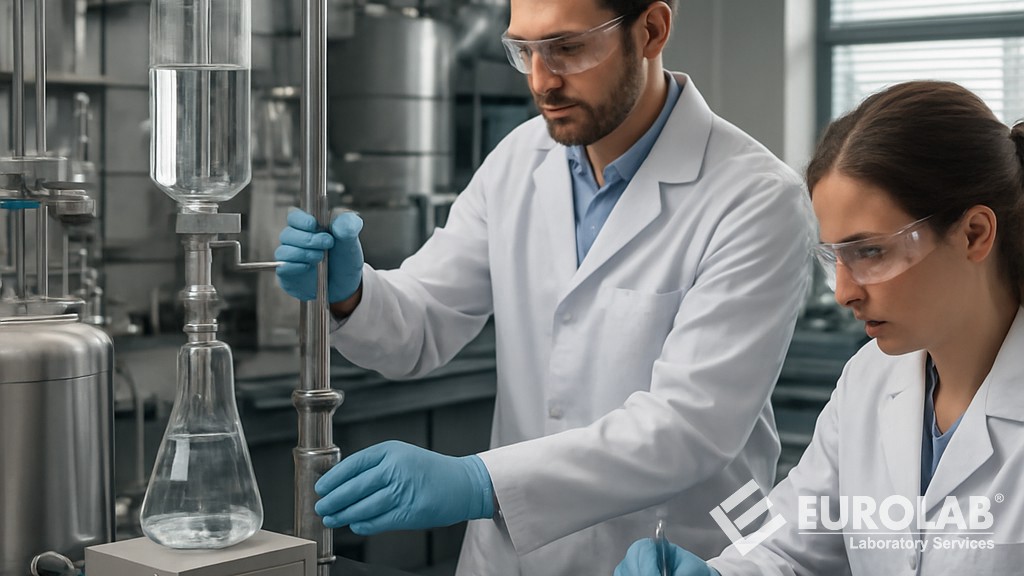
The passive state is the reason why significant amounts of metal are not released into drinking water from such materials. This test is used to verify whether the alloy in question is passive under conditions that may occur in drinking water. This standard does not apply to product testing. It only applies to the evaluation of the passive behavior of materials.
In an era where public health and environmental sustainability are paramount, materials used in water distribution and storage systems play a critical role in protecting water quality. Metallic components such as pipes, fittings, and tanks are commonly used in this infrastructure. However, if not properly assessed, they can leach harmful substances into the water supply. The EN 16056 standard is a specific guideline designed to ensure that metallic materials do not compromise the safety of water intended for human consumption by evaluating their passive behavior. This standard provides a rigorous and scientifically based method for assessing how stainless steels and similar passive alloys interact with drinking water. It has become a cornerstone for manufacturers, regulators, and engineers.
The development of the EN 16056 standard reflects broader European efforts to harmonize standards for materials in contact with drinking water. This standard is part of a family of standards addressing the impact of construction products on water quality, including EN 15664 for organic materials and EN 1420 for metal release limits.
This version of the standard focused primarily on stainless steels, emphasizing their corrosion resistance and minimal ion release in aqueous environments. By providing a standardized test protocol to simulate real-world conditions, this version enabled consistent assessments among laboratories. Subsequent key updates to this standard include:
The EN 16056 standard essentially evaluates the passive behavior of metals, i.e., their ability to form a stable oxide layer that prevents further corrosion and contaminant release. This is crucial because even trace amounts of metals such as chromium, nickel, or lead can pose health risks if they exceed the permitted limits set by the EU drinking water directive 98/83/EC.
This standard targets metallic materials that come into contact with water for human consumption, including drinking, cooking, and hygiene. It excludes active metals (e.g., zinc or copper) covered by other standards such as EN 806.
Test specimens are cleaned and pre-conditioned to mimic production surfaces. The specimens are immersed for up to 14 days in synthetic test water (pH 7,5, chloride content maximum 50 mg/L) at a temperature of 20-25 degrees Celsius, with periodic water replacements to simulate flow dynamics. Within this standard, sheets, pipes, welds, and machined parts allow for a comprehensive evaluation of welds and connections, which are common failure points in piping systems.
The parameters measured by this standard are as follows:
This method, by emphasizing dynamic testing instead of static immersion, better simulates intermittent water flow in home or industrial settings. This approach minimizes false positives, ensuring only truly inert materials receive certification.
The EN 16056 standard is not only a theoretical tool but also a practical one that is reshaping the water industry. Stainless steel pipe manufacturers use this standard to certify product compliance and ensure smoother market access under the Construction Products Regulation (CPR).
In practice:
For many years, our organization, with its competent and experienced staff, has been understanding the needs of its clients, providing the advanced testing services they require, and assisting in the establishment, implementation, and improvement of management systems. Within this framework, we also provide testing services to businesses in accordance with the "EN 16056 Effect of metallic materials on water intended for human consumption - Method for evaluating the passive behavior of stainless steels and other passive alloys" standard.
To get an appointment, to get more detailed information or to request an evaluation, you can ask us to fill in our form and reach you.

