SES N 3234 NBR Rubber Materials
Developed by Suzuki Motor Corporation as part of its rubber and elastomer material standards, the “SES N 3234 NBR rubber materials” standard is an automotive material standard that defines the requirements, classification, tests, and application conditions for NBR-based elastomers used in vehicles.
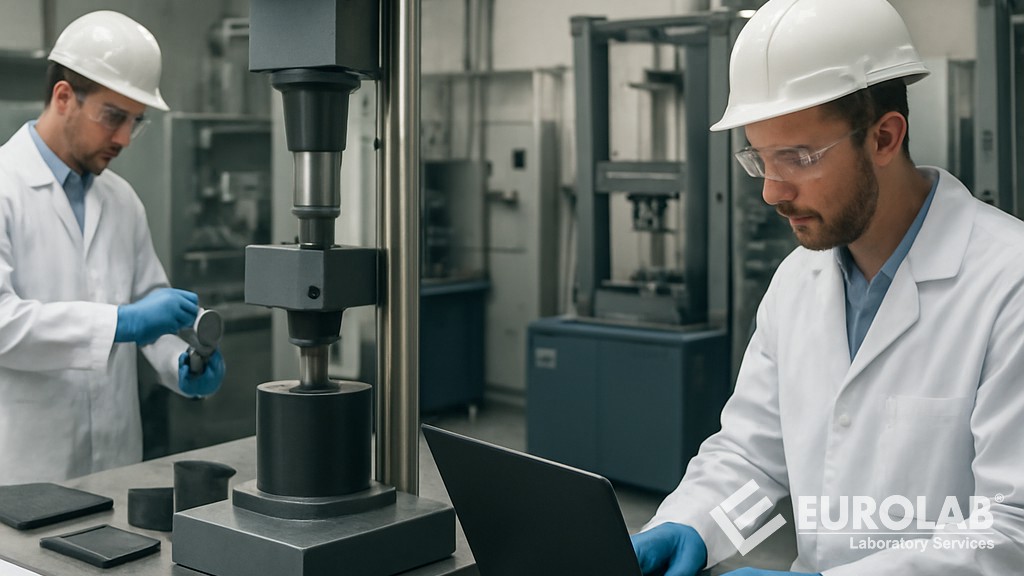
Rubber materials are indispensable in the automotive industry because they provide flexibility, sealing, vibration control, and durability that rigid materials cannot. Their use is not arbitrary; it is subject to Suzuki material standards depending on performance requirements.
In the automotive industry, NBR-based elastomers are generally used in the following areas:
- Sealing applications (primary use): Rubber is commonly used to prevent liquid and gas leaks. Typical parts include:
- O-rings
- gaskets
- Oil seals
- Door and window seals
Usage is as follows:
- Engineers select rubber based on its fluid compatibility.
- For example, NBR is for oil and fuel systems, while EPDM is for water and air sealing.
- Without rubber seals, engines and fluid systems leak.
- Hoses and fluid transfer systems: Rubber materials are used to safely transport liquids. Application areas include:
- Fuel hoses
- Cooling hoses
- Brake hoses
Usage is as follows:
- Rubber compounds are reinforced with textile or steel layers.
- It requires resistance to pressure, temperature, and chemicals.
- For example, oil-resistant rubber (such as NBR) is used in fuel hoses.
- Vibration and noise control (NVH): Rubber isolates vibrations and reduces noise. Application areas include:
- Motor mounting elements
- Suspension bushings
- Exhaust hangers
Usage is as follows:
- Rubber absorbs shocks between metal parts.
- It prevents vibrations from being transmitted to the vehicle cabin.
- It increases comfort and extends component lifespan.
- Heat and environmental protection: Rubber protects components from heat, ozone, and weather conditions. Areas of application include:
- Air sealing strips
- Under-hood insulation
- Protective covers
Usage is as follows:
- Materials like EPDM are resistant to:
- UV radiation
- Ozone
- temperature changes
- Electrical insulation: Rubber is used to protect electrical systems. Applications include:
- Cable insulation
- connectors
- Battery covers
Usage is as follows:
- It prevents short circuits.
- Provides flexibility for cable bundles.
- Tires (the largest application of rubber): This is the most obvious example of rubber usage. The form in which it is used is a mixture of: natural rubber, synthetic rubber, and fillers (carbon black, silica). Functions include: grip, shock absorption, and durability.
- Dynamic and mechanical components: Rubber is used in parts that move or flex. Application areas include:
- Diaphragms
- Blowers
- Flexible couplings
Usage is as follows:
- It is designed to withstand repeated deformation.
Engineers choose rubber based on environmental considerations:
- Petroleum and fuel: NBR
- Air and water: EPDM
- High temperature: FKM
- High elasticity: Natural rubber
Rubber is critically important in the automotive industry for the following reasons:
- Provides leak-proof systems.
- It increases comfort (reduces noise, vibration and harshness, NVH).
- It ensures safety in braking and fuel systems.
- It provides flexibility and durability.
- It reduces wear between metal parts.
In short, NBR (acrylonitrile-butadiene rubber) is a synthetic elastomer known for the following properties:
- Excellent oil and fuel resistance.
- Good mechanical strength
- Medium temperature resistance (minus 30 degrees to plus 120 degrees)
- Good wear resistance.
This material is commonly used in automotive sealing systems and components that come into contact with fluids.
The SES N 3234 standard guarantees that NBR materials used in automotive parts meet the following requirements:
- Ensuring consistent quality and durability.
- It demonstrates reliable performance under fuel, oil, and chemical exposure.
- Suitable for mass production and global supply chains.
This standard is similar to international NBR standards that define material properties and test methods for elastomers used in gaskets and hoses.
The basic requirements of the SES N 3234 standard are as follows:
- Material classification: NBR materials are typically classified as follows:
- Hardness (Shore A): For example, 60, 70, 80, 90
- Acrylonitrile content (affects oil resistance and flexibility)
- Application type (such as fuel-resistant, oil-resistant)
Typical values are as follows:
- Tensile strength: At least 10–14 MPa
- Lengthening: 100-200 percent
- Mechanical properties: This standard defines limits for the following:
- Tensile strength
- Fracture elongation
- Hardness tolerance
- Compression permanent deformation (sealing property)
These ensure long-term sealing performance.
- Chemical resistance: This is critical for automotive applications.
- Resistance to motor oil, diesel, and gasoline.
- Swelling limits in liquids
- Compatibility with lubricants
- Thermal and aging performance: NBR materials must meet the following criteria:
- Heat aging tests (e.g., 100 degrees / 70 hours)
- Maintaining strength, flexibility, and stiffness.
- Process and quality requirements include:
- Compound formulation control
- Vulcanization behavior
- Party consistency
- Surface quality (absence of cracks and defects)
The SES N 3234 standard is generally compatible with the following global standards:
- ASTM / ISO rubber testing methods
- Vulcanization and rheology tests
- Liquid immersion tests
These ensure repeatable performance among suppliers.
NBR is one of the most critical elastomers in vehicles. According to the SES N 3234 standard, automotive applications of NBR are as follows:
- Sealing systems:
- O-rings
- gaskets
- Shaft seals
- Fuel and oil systems:
- Fuel hoses
- Injector seals
- Oil seals
- Engine components:
- Crankshaft seals
- Valve stem seals
- Transmission systems
- Hydraulic seals
- Components resistant to automatic transmission fluids.
The SES N 3234 standard is considered important for the following reasons:
- It prevents fuel leaks and system malfunctions.
- Provides long-lasting sealing under harsh conditions.
- Guaranteed compatibility with automotive fluids.
- It ensures global supplier standardization.
- It supports security-critical components.
Without such a standard, material variability can lead to the following:
- Felt deterioration
- Liquid leaks
- Engine or transmission failures
In conclusion, the SESN 3234 standard is used in vehicles for the following purposes:
- To make liquids and gases leak-proof.
- Transferring liquids (hoses)
- To reduce vibration and noise.
- To provide protection against environmental threats.
- Insulating electrical systems
- To provide traction (tires)
For many years, our organization, with its competent and experienced team, has been understanding the needs of its clients, providing the advanced testing services they require, and assisting them in the establishment, implementation, and improvement of management systems. Within this framework, we also provide testing services compliant with the SES N 3234 standard.



