SES N 3106 Heat Resistant Steel
Developed by Suzuki Motor Corporation as part of metallic material standards, the “SES N 3106 Heat Resistant Steel” standard describes the requirements for heat-resistant steels used specifically in high-temperature automotive components. This standard covers metallic materials designed to operate at high temperatures where conventional carbon or low-alloy steels would fail due to oxidation, creep, or loss of strength.
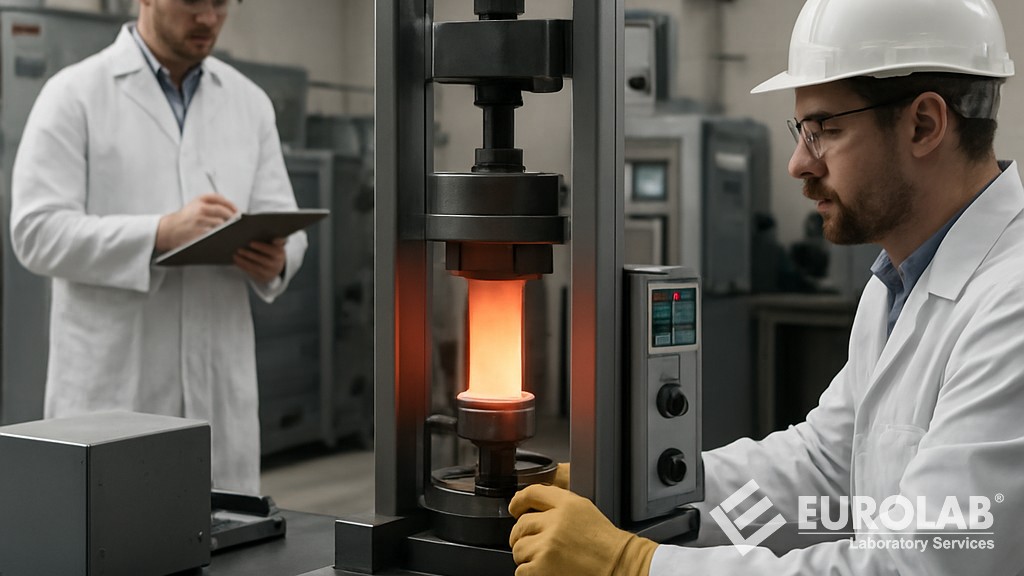
The primary purpose of the SES N 3106 standard is as follows:
- Ensuring thermal stability at high temperatures.
- To provide oxidation and corrosion resistance.
- Maintaining mechanical strength under heat exposure.
- Standardizing material selection among suppliers.
This standard typically includes heat-resistant stainless steels such as:
- Austenitic stainless steels (e.g., types 310/310S)
- High chromium-nickel alloys
- Heat-resistant ferritic steels (in some cases)
For example, steels such as 310S include:
- 24-26% chromium
- 19-22 percent nickel
- Excellent oxidation resistance up to approximately 1100 degrees.
These compositions are typical properties of materials that the SES N 3106 standard will reference or comply with.
The basic requirements in the SES N 3106 standard are stated as follows:
- Chemical composition:
- High chromium: Oxidation resistance
- High nickel content: High temperature resistance.
- Controlled carbon: Prevents carbide precipitation.
- Mechanical properties:
- Tensile and yield strength at high temperatures
- Creep deformation resistance
- Thermal fatigue resistance
- Heat resistance performance:
- Coating resistance (oxidation layer formation)
- Thermal cycling resistance
- Stability in exhaust gas environments.
- Production and processing:
- Heat treatment (annealing, solution treatment) requirements
- Weldability requirements
- Formability requirements for automotive parts.
SES N 3106 standard materials are used in high-temperature regions such as:
- Exhaust manifolds
- Turbocharger housings
- Catalytic converter components
- Exhaust pipes and mufflers
- Heat shields
The Suzuki SES N 3106 heat-resistant steel standard is necessary because modern automotive parts are exposed to extreme temperatures and aggressive environments. Ordinary steels cannot reliably perform in these environments.
Heat-resistant steel (high-temperature steel or corrosion-resistant steel) is a category of alloy steel specifically designed to maintain its mechanical strength, structural integrity, oxidation resistance, and other essential properties when exposed to high temperatures. These temperatures are typically above 500-600 degrees Celsius, and in special grades, can be 1100-1200 degrees Celsius or higher.
Unlike normal carbon steel, which softens, loses strength, oxidizes (corrosion/rust formation), or creeps (slowly deforms under load) at high temperatures, heat-resistant steels resist these degradation mechanisms for extended periods.
These are the alloying elements that make steel heat-resistant, form protective layers, or stabilize the microstructure:
- High chromium: Typically 10-30% forms a stable, self-healing chromium oxide layer that prevents corrosion and oxidation in hot gases.
- Silicon and aluminum: Increase oxidation resistance (especially in ferritic types).
- Nickel: Increases high temperature resistance, toughness, and resistance to carburization or thermal fatigue (common in austenitic types).
- Other elements such as molybdenum, tungsten, niobium, or titanium: Increase creep resistance and high-temperature durability.
These steels typically rely on solid solution strengthening, precipitation hardening, or controlled microstructures instead of just carbon hardening.
The main types of heat-resistant steel are:
- Austenitic heat-resistant steels (the most common for very high temperatures)
- High chromium (20-25 percent) + high nickel (20-35 percent or more).
- Excellent oxidation resistance, good creep resistance, and toughness.
- Service range: Continuous up to 1100-1150 degrees.
- Ferritic heat-resistant steels:
- High chromium (17-30 percent), low/zero nickel, typically contains silicon/aluminum.
- It has good corrosion resistance in oxidizing environments, but is more brittle at room temperature.
- Service range: Up to 850-1150 degrees, typically for cyclical or sulfur-containing atmospheres.
- Martensitic / low-alloy heat-resistant steels:
- Lower alloy content results in higher strength through heat treatment.
- It is used at moderately high temperatures (e.g., 500-700 degrees).
- Other special types include nickel-based superalloys or cobalt-based ones (sometimes grouped under heat-resistant alloys instead of steel).
The SES N 3106 standard is considered necessary for the following reasons:
- Prevents malfunction at high temperatures: Automotive parts such as exhaust systems can reach temperatures of 600-1000 degrees Celsius.
- Ordinary steels: They lose their strength. They deform or crack.
- Heat-resistant steels: They maintain their mechanical integrity. They resist creep deformation.
Without this standard, components could bend or collapse under heat.
- It provides resistance to oxidation and scaling: At high temperatures, metals react with oxygen and form scale (oxide layers).
- Low-quality steel oxidizes quickly and shows material loss.
- SES N 3106 steels have a high chromium content that forms a protective oxide layer.
This significantly increases the lifespan of the components.
- Consistent material quality is guaranteed: Suzuki works with multiple global suppliers. The SES N 3106 standard ensures:
- Same chemical composition
- Same heat resistance performance
- Same mechanical properties
Without this, parts from different suppliers could exhibit unpredictable behavior.
- It supports the reliability of the emission system: The critical components are:
- Catalytic converters
- Exhaust manifolds
These components must operate reliably under heat to comply with emission regulations.
Material failure can lead to the following:
- Increased emissions
- Regulatory non-compliance
- It increases safety and durability: Components exposed to heat are often located near:
- Engine compartments
- Fuel systems
The malfunction may lead to the following:
- Heat damage to surrounding parts
- Security risks
The SES N 3106 standard reduces these risks by ensuring thermal stability.
- It provides long-term cost savings: Without suitable heat-resistant materials, the following can occur:
- Frequent parts replacement
- Warranty claims
- Higher maintenance costs
This standard reduces overall costs by ensuring a long service life.
For many years, our organization, with its competent and experienced team, has been understanding the needs of its clients, providing the advanced testing services they require, and assisting them in the establishment, implementation, and improvement of management systems. Within this framework, we also provide testing services compliant with the SES N 3106 standard.



