

Thermal conductivity test is applied to determine the ability of a material to conduct heat. Heat transfer is relatively slower among materials with low thermal conductivity and higher in materials with high thermal conductivity. Therefore, the application of the material varies according to its conductivity. For example, while materials with high conductivity are preferably used as heat sinks, a material with low thermal conductivity test is preferred for thermal insulation.
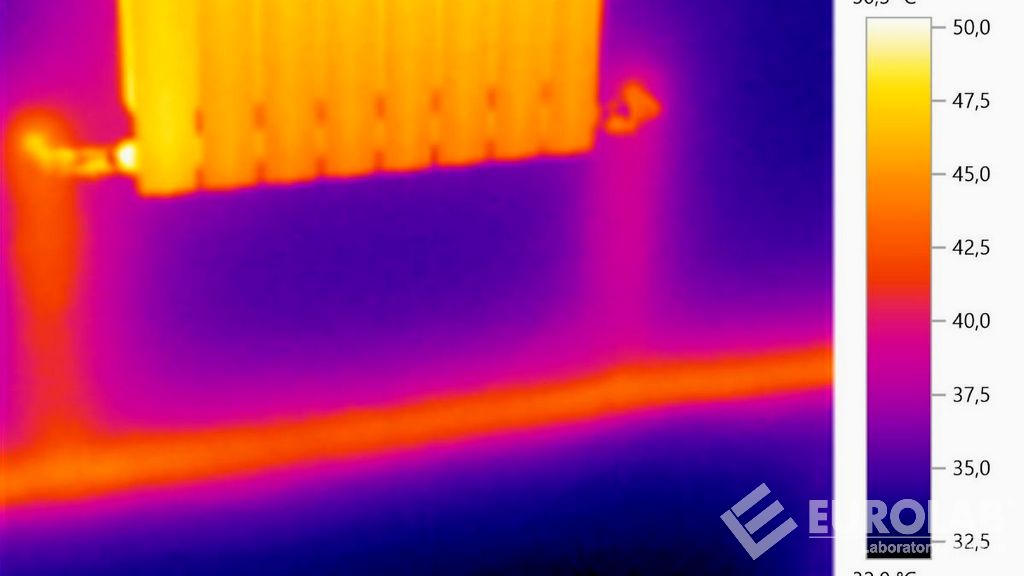
The main factors affecting thermal resistance are: temperature, humidity, composition, application time, solids content or voids in materials. The application of thermal conductivity or resistivity is important to ensure proper use of materials.
Thermal conductivity is a material property that describes a material's inherent ability to conduct heat. Thermal conductivity testing is considered important for applications where the temperature must quickly become extreme, and for applications where the temperature must be slower or maintained.
To determine the thermal conductivity of a material, the following test methods are generally used, depending on temperature and thermal properties:
Materials generally tested using thermal conductivity are: ceramics, metals, metal alloys and non-metals, concrete, asphalt and firebrick, earth and environmental products, glass wool, powders and powder mixes, stones and tiles, plastic and polymers, insulation products , liquids, liquid mixtures and nanofluids. The material with the highest thermal conductivity is diamond. The material with the lowest thermal conductivity is airgel.
The primary standard used for thermal conductivity testing is IS 9489 ( IS 9489 Test method for the thermal conductivity of materials by means of heat flowmeters).
The use of insulating materials is one of the most effective ways to save energy in various fields. Thermal insulation materials enable systems to achieve energy efficiency. Many different thermal insulation materials have been developed to reduce heat flow by limiting conduction, convection or radiation while performing one or more functions.
Our organization also provides heat and thermal conductivity testing services with its trained and expert staff and advanced technological equipment, among the numerous test, measurement, analysis and evaluation studies it provides for businesses in various sectors.
To get an appointment, to get more detailed information or to request an evaluation, you can ask us to fill in our form and reach you.

