

Developed by Suzuki Motor Corporation as part of aluminum material standards, the “SES N 3134 Aluminum Extrusion Materials” standard describes the requirements for aluminum extrusion materials used in vehicle components. This standard defines the material properties, production conditions, and quality criteria for extruded aluminum profiles.
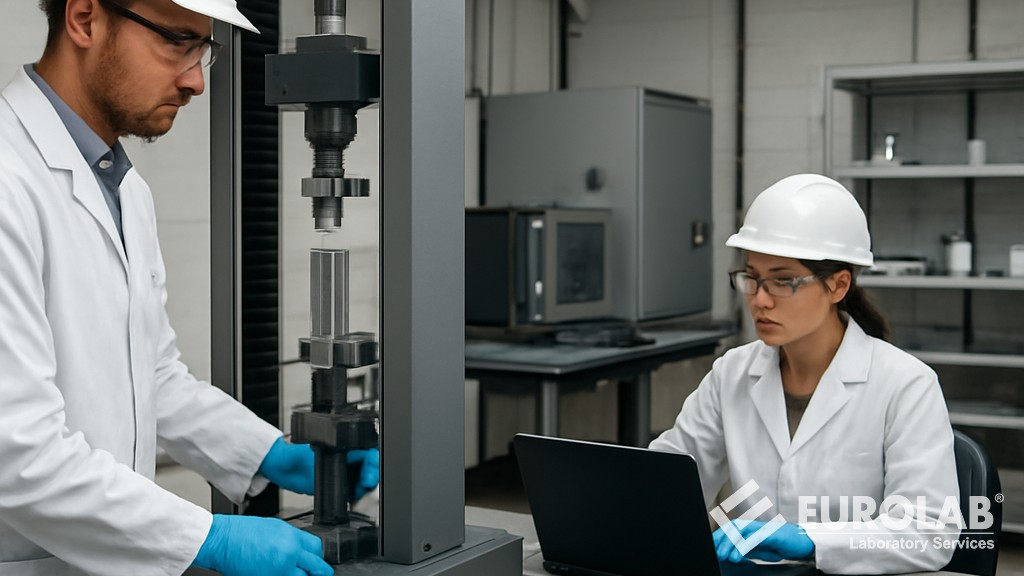
The automotive industry is undergoing a major transformation driven by the need for lightweight, fuel-efficient, and environmentally friendly vehicles. One of the key materials enabling this change is aluminum extrusion. Aluminum extrusion materials are becoming increasingly important in modern vehicle design, particularly in electric vehicles, by providing an optimal balance between strength, weight reduction, design flexibility, and cost efficiency.
Aluminum extrusion is a manufacturing process in which heated aluminum billets are passed through a die to produce components with a consistent cross-sectional profile. This process allows engineers to create complex geometries, including hollow sections and multifunctional profiles, that are difficult or impossible to achieve with traditional steel forming methods.
Common alloys used in automotive extrusion are from the 6xxx series. These alloys offer excellent strength, corrosion resistance, and weldability.
The advantages of aluminum extrusion materials in automotive applications are as follows:
This reduces the number of parts and simplifies assembly.
The main automotive applications for extruded materials conforming to the SES N 3134 standard are as follows:
These components benefit from aluminum's formability and aesthetic surface quality.
They help improve thermal management and structural integrity.
The production and processing aspects are as follows:
These improve corrosion resistance and appearance.
The SES N 3134 standard defines the following requirements:
Material composition
They ensure consistency, safety, and reliability in automotive supply chains.
The importance of aluminum extrusion materials is expected to increase for the following reasons:
Innovations such as high-strength alloys, hybrid structures, and advanced extrusion techniques are further expanding their applications.
Consequently, aluminum extrusion materials have become a cornerstone of modern automotive engineering. Their ability to combine lightweight performance, structural strength, and design flexibility makes them indispensable in both conventional and electric vehicles. As the industry continues to evolve, aluminum extrusions play a significant role in shaping the future of mobility.
The SES N 3134 standard covers the following:
Mechanical properties include the following:
These features enable the parts to withstand dynamic automotive loads.
This standard also covers the following:
The basic properties of extruded aluminum are defined in the SES N 3134 standard as follows:
Aluminum extrusions are increasingly used because they reduce vehicle weight, improve fuel efficiency, and lower emissions.
The SES N 3134 standard is a fundamental tool that ensures aluminum extrusion materials perform reliably in demanding automotive environments. This standard is considered important for the following reasons:
For many years, our organization, with its competent and experienced team, has been understanding the needs of its clients, providing the advanced testing services they require, and assisting them in the establishment, implementation, and improvement of management systems. Within this framework, we also provide testing services compliant with the SES N 3134 standard.
To get an appointment, to get more detailed information or to request an evaluation, you can ask us to fill in our form and reach you.

