

Thermal insulation is a method of preventing heat transfer from one material to another. These two materials can be the hot and cold faces of processing equipment in industrial plants, or the interior and exterior of exterior walls in the counties. The places where thermal insulation can be used are theoretically unlimited. In general, thermal insulation provides lower energy losses and higher efficiency, resulting in greater return on investment.
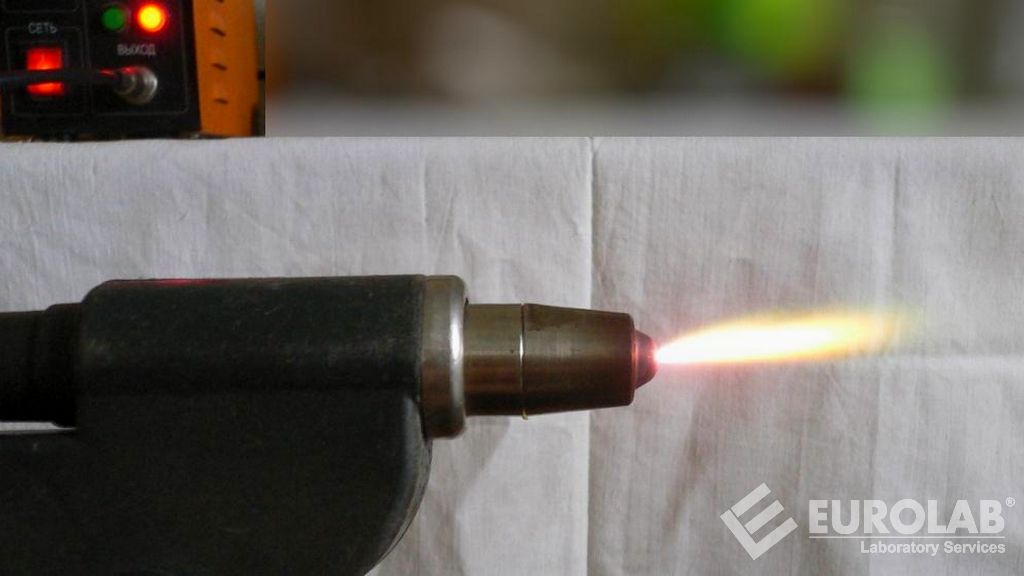
Heat is a thermodynamic amount of thermal energy that flows from one system to another when there is a temperature difference between the two. Heat is transferred by one of three different methods: conduction, convection, and radiation.
The rate of heat transfer between materials is determined by the thermal conductivity of the materials. Metals and ceramics with high thermal conductivity are generally used for heat conduction applications.
Low thermal conductivities give extremely high resistance values. Many silica-based materials have very low resistivity values that effectively reduce heat absorption to minimize transfer.
The thermal conductivity of insulating materials is a critical factor in performance, but many other properties such as density, thickness, specific heat capacity and thermal bridging must also be considered.
Naturally, materials with high thermal resistance values are used in the densest and thickest formats to provide effective thermal insulation. Flexible formats are preferred when it comes to wrapping thermal insulation around complex mechanisms or filling narrow gaps.
Asbestos, once widely used, has an outstanding resistance value, but the carcinogenic effects of asbestos are known and are associated with a wide variety of serious, long-term health conditions.
In some businesses, high-purity refractory ceramic fibers, silica-based fabrics, fiberglass mats, and many other types of insulation materials are used to ensure safe and optimum performance in any application area. These industrial insulation systems offer high performance in the most demanding industrial applications.
Briefly, the resistance of an insulating material to conductive heat flow is measured or rated in terms of its thermal resistance. The higher this value, the higher the insulation efficiency.
Our organization also provides thermal insulation testing services with its trained and expert staff and advanced technological equipment, among the numerous test, measurement, analysis and evaluation studies it provides for businesses in various sectors.
To get an appointment, to get more detailed information or to request an evaluation, you can ask us to fill in our form and reach you.

