

A French standard "NF L41-101 Contamination of hydraulic systems by solid particulate matter - General" describes a procedure applied to hydraulic transmission fluids in terms of contamination by solid particles. Hydraulic fluids are those used in power circuits. They can be mineral or synthetic, such as silicate or phosphate esters and hydrocarbons and the like. Fuels that can be used in power circuits are also affected by this standard.
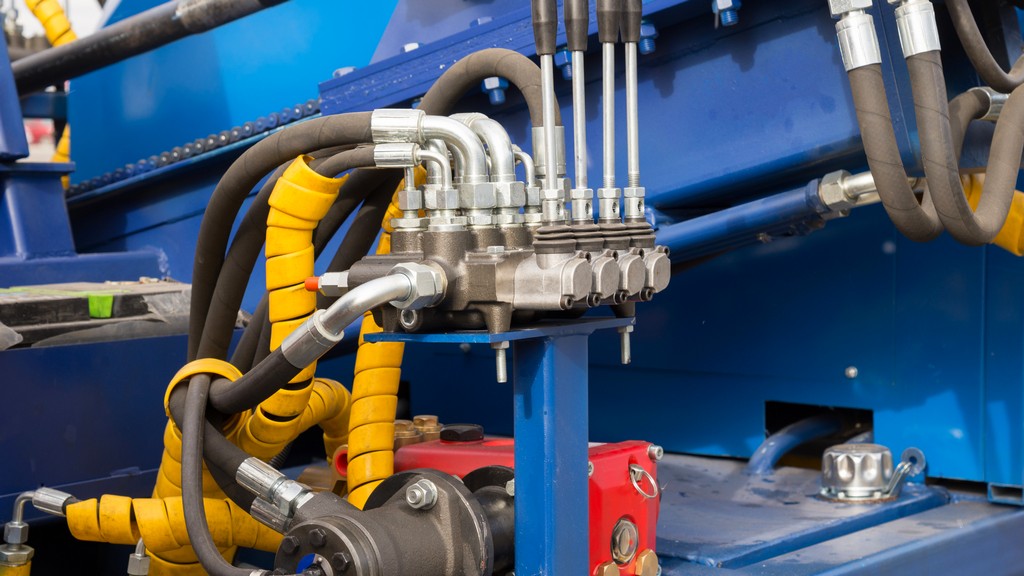
Solid particulate matter can enter hydraulic systems from a variety of sources. It is impossible to remove all potential contaminants from a hydraulic system. Rather, the focus of operators, maintenance technicians, and those responsible for the daily operation, maintenance, and repair of such systems is to develop solutions to reduce the number of contaminants as much as possible.
Failure to take correct precautions can lead to system failures due to contaminated hydraulic fluid. The consequences of contamination include: reduced system performance, pump and motor failure, greater strain on valves, parts and components, reduced control over flow and pressure, higher heat levels and sticking of parts.
Most contaminants are found in hydraulic fluid and slowly affect other parts of the system. Solid particles can begin to form an abrasive slurry that damages all system components. Particles suspended in the fluid affect the fluid velocity and cause lubrication to decrease, leading to more contamination. Water can also cause corrosion. In more extreme cases, larger solid particles can block openings in different areas of the system, restricting fluid flow and causing overheating and system failure.
Sources of Hydraulic Contaminants are diverse. The major types of hydraulic fluid contamination include:
Contaminant testing is a method used to help identify various types of contamination in hydraulic fluids and systems. It is essential to understand what types of contaminants pose a risk to hydraulic systems in order to reduce and mitigate the effects of contamination and develop effective solutions.
In short, depending on where a hydraulic system operates, solid particulate matter contamination typically includes dust, sand, and mud. This type of hydraulic system is particularly vulnerable to contamination when the system is open for service or repair.
Among the numerous tests, measurements, analyses and evaluation studies carried out for businesses in various sectors, our organization also provides testing services defined in the “NF L41-101 Contamination of hydraulic systems with solid particulate matter - General” standard with its trained and expert staff and advanced technological equipment.
To get an appointment, to get more detailed information or to request an evaluation, you can ask us to fill in our form and reach you.

