
SES N 3202 Polypropylene Materials
Developed by Suzuki Motor Corporation as part of its plastics and polymer materials standards, the “SES N 3202 Polypropylene Materials” standard describes the requirements for polypropylene (PP) and polypropylene-based compounds used in automotive components. This standard ensures consistent quality, performance, and processability among suppliers.
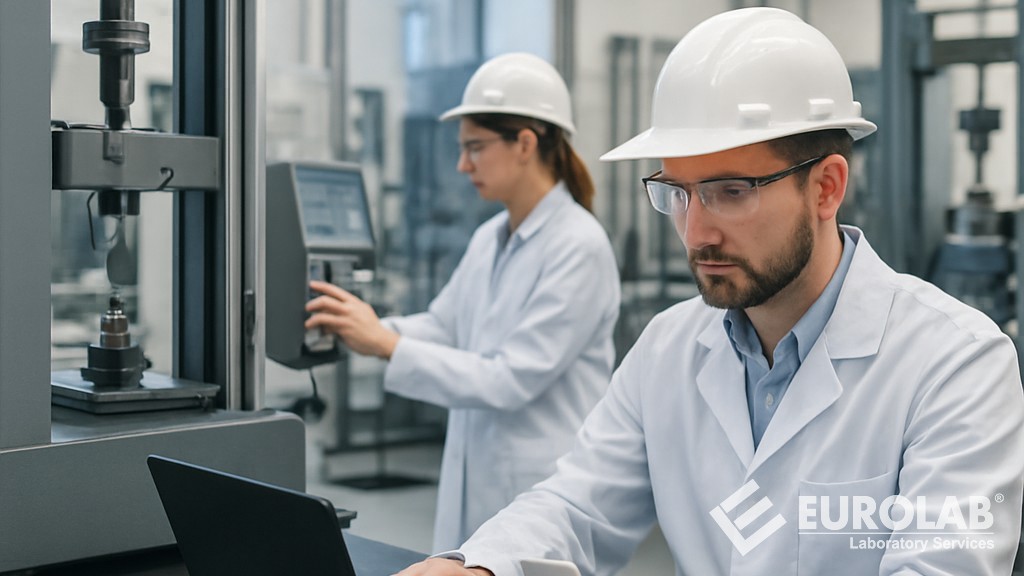
Polypropylene is one of the most widely used automotive plastics due to its low density, chemical resistance, and good mechanical performance.
Polypropylene (PP) is one of the most widely used thermoplastic polymers in modern automotive engineering. Its lightweight structure, cost-effectiveness, and versatile performance have made it a fundamental material in both conventional and electric vehicles. Today, polypropylene makes up a significant share of automotive plastics, and estimates suggest it comprises a large proportion of the plastic components used in passenger cars.
Polypropylene is a polyolefin thermoplastic produced from propylene monomers. It is known for the following properties:
- Low density
- High chemical resistance
- Good mechanical performance
- Excellent processability.
These properties make it suitable for mass production techniques such as injection molding and extrusion.
The essential properties of polypropylene materials for automotive use are as follows:
- Lightweight construction: Polypropylene has a lower density than many other plastics and metals, making it ideal for vehicle weight reduction strategies.
- Mechanical performance:
- Good hardness-to-weight ratio.
- High impact resistance (especially for modified polypropylene)
- Fatigue resistance
- Chemical and environmental resistance:
- Moisture and corrosion resistant.
- It maintains its performance in challenging environments.
- Thermal behavior:
- It works effectively at temperatures ranging from low to moderately high.
- Suitable for both interior and some under-the-hood applications.
- Recyclability: Polypropylene can be melted down and reused, supporting circular economy initiatives in automotive manufacturing.
Polypropylene is widely used in various vehicle systems:
- Interior components:
- Dashboard
- Door trims
- Seat backs
- Center consoles
- Outdoor components:
- Tampons (polypropylene and elastomer blends)
- Fender inner trims
- Wheel arches
- Exterior trims
- Functional and structural components:
- Battery housings (especially in electric vehicles)
- Cable insulation
- Lower body protectors
- Liquid containers
Polypropylene is used in both indoor and outdoor applications due to its balance of durability, flexibility, and cost-effectiveness.
The advantages of polypropylene materials in the automotive industry are as follows:
- Weight reduction and fuel efficiency: Reducing vehicle weight improves fuel economy and extends the range of electric vehicles. Even small weight reductions can significantly increase efficiency.
- Cost efficiency: Polypropylene is cheaper than many engineering plastics and metals, making it ideal for high-volume automotive production.
- Design flexibility:
- It can easily be molded into complex shapes.
- It enables component integration (reduces assembly steps).
- It supports modern automotive design trends.
- Safety performance: Expanded polypropylene (EPP) enhances collision safety by absorbing impact energy and acting as a shock-absorbing material.
- Durability and longevity: It has a long service life in harsh environments.
- Sustainability:
- Recyclable material.
- Lower carbon dioxide footprint compared to heavier materials.
- It supports the production of environmentally friendly vehicles.
Despite its advantages, polypropylene has some disadvantages:
- Limited high-temperature resistance compared to engineering plastics.
- UV degradation without stabilizers
- Lower hardness compared to materials like ABS or nylon.
Polypropylene continues to evolve alongside automotive innovation:
- Increased use of electric vehicles (electric vehicles)
- Development of fiber-reinforced polypropylene composites.
- Growth of recycled polypropylene
- Advanced surface technologies (paint-free decorative films)
As a result, polypropylene has become a fundamental material in the automotive industry thanks to the combination of its unique properties:
- Lightweight performance
- Cost efficiency
- Mechanical reliability
- Çevresel sürdürülebilirlik
As industry moves towards electrification and sustainability, polypropylene continues to play a critical role in designing lighter, safer, and more efficient vehicles.
According to the SES N 3202 standard, the basic properties of polypropylene material are as follows:
- Physical characteristics:
- Density: 0,90-0,92 g/cm3 (light)
- Melting point: 160-170 degrees
- Low moisture absorption
- Good dimensional stability.
- Mechanical properties:
- Tensile strength: 30-50 MPa
- Hardness-to-weight ratio: Good
- Good impact resistance (especially in copolymers or modified polypropylene)
- Chemical and thermal resistance:
- Excellent resistance to acids, alkalis, and chemicals.
- Resistant to corrosion and fatigue.
- Limited performance at very high temperatures.
The SES N 3202 standard generally includes the following:
- Homopolymer polypropylene: High stiffness.
- Copolymer polypropylene: Improved impact resistance.
- Filled polypropylene compounds:
- Talc-filled (increases hardness)
- Glass fiber reinforced (increases strength)
- Modified polypropylene (elastomer modified): Improved toughness.
Additives such as fillers or elastomers are commonly used to tailor performance to automotive needs.
Polypropylene is widely used in vehicles, accounting for a large share of automotive plastics. Modern production allows for complex shapes through injection molding and multi-material processing.
Materials conforming to the SES N 3202 standard are suitable for the following:
- Injection molding
- Extrusion
- Blow molding
- Thermoforming
Polypropylene has excellent flow properties, making it ideal for high-volume automotive production.
Typical requirements specified in the SES N 3202 standard include:
- Mechanical properties (tensile, bending, impact)
- Thermal resistance (HDT, Vicat softening point)
- Density and melt flow index
- Flammability requirements (e.g., UL94 standard for some applications)
- Resistance to aging (heat, UV, chemicals)
- Odor and emissions (critical for internal components)
In conclusion, the SES N 3202 standard standardizes polypropylene materials for automotive use, ensuring they meet stringent requirements in the following areas:
- Mechanical strength
- Durability
- Processability
- Environmental compatibility
Polypropylene remains a fundamental engineering plastic in modern vehicles due to its balance of performance, weight, and cost. Therefore, this standard is essential for ensuring consistent material quality throughout the supply chain.
For many years, our organization, with its competent and experienced team, has been understanding the needs of its clients, providing the advanced testing services they require, and assisting them in the establishment, implementation, and improvement of management systems. Within this framework, we also provide testing services compliant with the SES N 3202 standard.

