

Acoustic tests refer to the noise production of machines, other products, or rooms. Potential sound emissions or noise pollution are examined. Therefore, acoustic tests are used in many fields. The purpose of acoustic tests is to determine the sound intensity of a product.
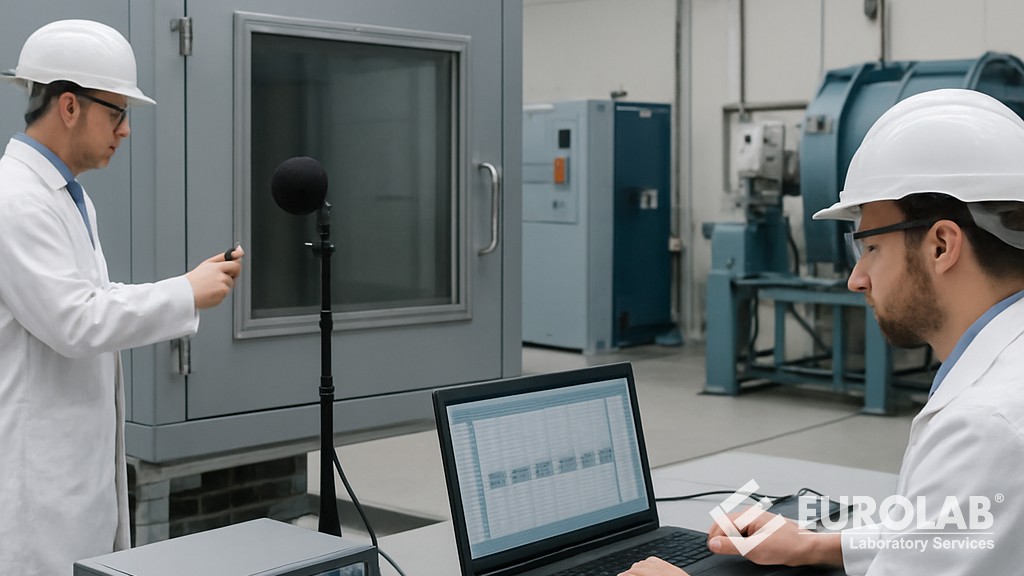
To do this, acoustic laboratories or on-site testing centers measure the noise and vibrations emitted by the product. After the acoustic test is evaluated, the manufacturer understands whether they need to revise their product and reduce the noise level.
Numerous directives and laws establish regulations for protection against noise. Long-term exposure to noise can lead to physical and psychological health problems. Noise is also considered to cause environmental disturbances. In short, laws serve to control noise levels and protect people working in noisy rooms or places (e.g., a factory) or with machinery and equipment (e.g., computers and printers).
In addition to regulations on noise protection, some standards specify how equipment sound emissions should be tested. Therefore, acoustic tests can be carried out under natural conditions, such as in a workplace, or in unsuitable rooms, such as echo chambers. Regulatory authorities, such as the European Agency for Occupational Safety and Health (OSHA), also argue that manufacturers are obliged to provide appropriate information about noise emissions.
There are two measurement factors used to determine sound emission in acoustic tests or noise and vibration measurements:
Acoustic testing is generally required for all sectors and areas where people's health may be harmed by constant noise disturbance. This includes devices that produce disturbing and loud noises or humming sounds. For example, the following products need to be tested according to specific test standards:
For example, in accordance with European noise protection directives, noise emissions from machinery, building acoustics measurements, or environmental noise tests are carried out in advanced laboratories.
On the other hand, in modern architecture, windows play a dual role: they provide natural light and views while also acting as a barrier against external noise. Acoustic testing and evaluation ensure indoor comfort in noisy environments such as urban areas, airports, or highways by measuring how effectively window glass and glazing systems reduce sound transmission. These processes are crucial for manufacturers, architects, and builders to comply with building codes and meet user expectations for quiet spaces.
Windows are the weakest link in a building's exterior in terms of sound insulation. Poor acoustic performance can lead to disturbances from traffic, aircraft, or neighbors' noise, impacting health, productivity, and quality of life. Effective glazing, such as laminated or insulated units, can significantly reduce noise, achieving reductions of 40 dB or more in high-performance configurations.
The main factors affecting acoustic performance are:
Acoustic tests primarily measure sound transmission loss. This is the decrease in sound intensity across frequencies (typically 100–5000 Hz). A standard laboratory setup includes two adjacent echo chambers: a source chamber (where loud sound is produced) and a receiver chamber (where sound levels are measured). The test specimen (window or glass) is mounted in an opening between them.
The basic standards are as follows:
Recent studies emphasize real-world performance, as laboratory results can vary due to installation errors. Acoustic testing and evaluation ensure windows contribute to calm indoor environments by striking a balance between aesthetics, energy efficiency, and noise control.
For many years, our organization, with its competent and experienced team, has been understanding the needs of its clients, providing the advanced testing services they require, and assisting them in the establishment, implementation, and improvement of management systems. Within this framework, acoustic testing and acoustic evaluation services are also provided to businesses.
To get an appointment, to get more detailed information or to request an evaluation, you can ask us to fill in our form and reach you.

