

Developed by Suzuki Motor Corporation as part of its interior materials/textile standards, the “SES N 3248 Interior Upholstery Abrasion Resistance” standard is a test standard that evaluates the abrasion resistance of interior upholstery materials (such as seat fabric, door panels, and headliner) used in the automotive industry.
In the automotive industry, interior upholstery abrasion resistance refers to the ability of interior materials (such as seat fabrics, door panels, armrests, carpets, and headliners) to withstand wear and tear from repeated friction, abrasion, and contact during normal vehicle use.
The surfaces inside the vehicle are in constant contact in the following ways:
Over time, these contacts lead to the following:
Abrasion resistance refers to how resistant a material is to such wear and tear. In other words, abrasion resistance expresses how well a material can withstand surface degradation (wear, thinning, discoloration) from friction, repeated contact, and mechanical effects during use.
Interior upholstery wear resistance is important in the automotive industry for the following reasons:
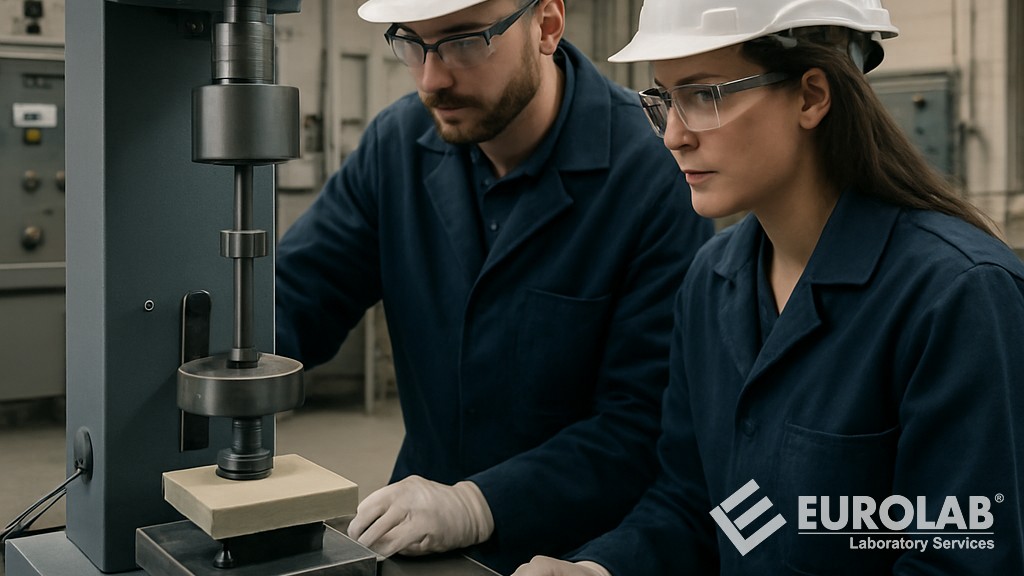
This property is tested in a laboratory. In principle, the material surface is rubbed with a certain force. This is repeated thousands of times. At the end of the test, the following criteria are examined:
The following test methods are generally used to determine the wear resistance of interior upholstery:
In these tests, friction is applied to the sample surface under a specific pressure. Evaluation is performed after a certain number of cycles. The criteria evaluated are as follows:
In short, interior upholstery wear resistance refers to the durability of vehicle interior materials against friction caused by daily use.
Many parts inside the vehicle are constantly exposed to contact and friction:
The SES N 3248 standard is applied to define the following properties of these materials:
This standard is usually considered in conjunction with the following standards:
The reason why the SES N 3248 standard is mandatory in the automotive industry is directly related to vehicle quality, durability, and customer satisfaction. This standard is considered important for the following reasons:
This standard eliminates these risks before mass production.
The SES N 3248 standard is used to meet these requirements.
This creates a complete quality control system.
In short, SES N 3248 is required because,
For many years, our organization, with its competent and experienced team, has been understanding the needs of its clients, providing the advanced testing services they require, and assisting them in the establishment, implementation, and improvement of management systems. Within this framework, we also provide testing services compliant with the SES N 3248 standard.
To get an appointment, to get more detailed information or to request an evaluation, you can ask us to fill in our form and reach you.

