

Developed by Suzuki Motor Corporation as part of aluminum material standards, the “SES N 3137 Heat-Treated Aluminum Alloys” standard describes the requirements for heat-treated aluminum alloys used in structural and functional automotive components. This standard is commonly used by Suzuki and related automotive supply chains. These alloys are designed to achieve high strength, durability, and controlled mechanical properties through heat treatment processes such as solution treatment and aging.
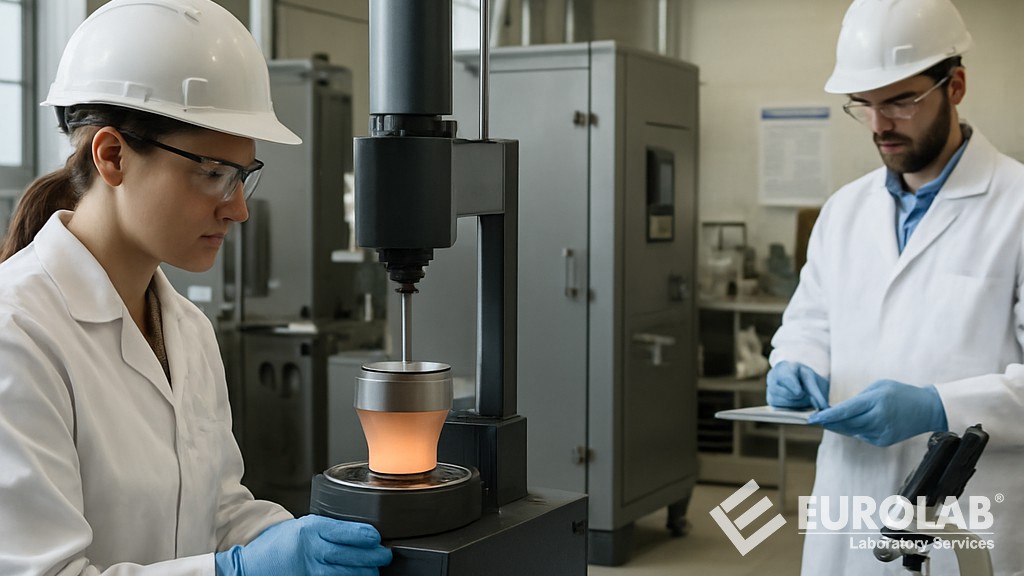
Heat-treated aluminum alloys have become a key material in modern automotive engineering due to the industry's need for lightweight, high-strength, and energy-efficient vehicles. Compared to traditional steel, aluminum helps to significantly reduce vehicle weight, improve fuel efficiency, lower emissions, and enhance performance.
Heat-treated aluminum alloys are strengthened through a process called precipitation hardening (age hardening). This process generally involves three main stages:
This process significantly improves mechanical properties such as tensile strength, stiffness, and fatigue resistance.
The most commonly used heat-treatable aluminum alloys in automotive applications are:
These alloys respond well to heat treatment due to their ability to form fine reinforcing precipitates.
Heat-treated aluminum alloys are used in a wide range of automotive components. Applications of these alloys in the automotive sector are as follows:
Their use enables weight reductions of up to 30-65% compared to steel, thus increasing overall vehicle efficiency.
Heat treatment plays a critical role in shaping the properties of aluminum:
For example, studies show that aging processes can increase strength while also improving corrosion behavior and microstructural stability.
In high-performance alloys, advanced processes such as retrogression and re-aging are also used to optimize strength and resistance to stress corrosion.
Heat-treated aluminum alloys have been integrated into various production methods:
Modern research focuses on optimizing heat treatment for recycled aluminum alloys to ensure sustainability without sacrificing performance.
The automotive industry is rapidly shifting towards lightweight and electric vehicles, making heat-treated aluminum alloys increasingly critical. Their ability to combine strength, durability, and low mass supports the following:
Consequently, heat-treated aluminum alloys represent a cornerstone of modern automotive materials engineering. Thanks to controlled heat treatment processes, these alloys achieve exceptional mechanical performance while maintaining low weight, making them indispensable in both conventional and electric vehicles.
Materials conforming to the SES N 3137 standard are commonly used in the following areas:
These applications require a high strength-to-weight ratio, fatigue performance, and dimensional stability.
Heat-treated aluminum alloys under the SES N 3137 standard typically provide the following:
The SES N 3137 standard is considered necessary for the following reasons:
Without such a standard,
In short, the SES N 3137 standard defines heat-treatable aluminum alloys used in the automotive industry. This standard focuses on engineering topics, particularly in the following areas:
For many years, our organization, with its competent and experienced team, has been understanding the needs of its clients, providing the advanced testing services they require, and assisting them in the establishment, implementation, and improvement of management systems. Within this framework, we also provide testing services compliant with the SES N 3137 standard.
To get an appointment, to get more detailed information or to request an evaluation, you can ask us to fill in our form and reach you.

