

The “ ISO 16396 Plastics - Polyamide (PA) molding and extrusion materials” standard, published by the International Organization for Standardization (ISO) , consists of the following sub-sections published under the same title:
Types of polyamide plastics are distinguished from one another by a classification system based on appropriate levels of identifying characteristics—viscosity number, tensile modulus and nucleating additive—and information on composition, intended application or processing method, important properties, additives, colorants, fillers and reinforcing materials.
The designation system applies to all polyamide homopolymers, copolymers, and blends. It applies to both unmodified materials ready for normal use and materials modified by, for example, colorants, additives, fillers, reinforcing materials, and polymer modifiers.
This standard does not apply to materials such as:
It does not imply that materials with the same designation provide the same performance. This standard does not provide engineering data, performance data, or processing conditions that may be required to specify a material. If such additional properties are required, they can be determined using the test methods described in ISO 16396-2, as appropriate. Additional requirements may be given to specify a thermoplastic material for a specific application.
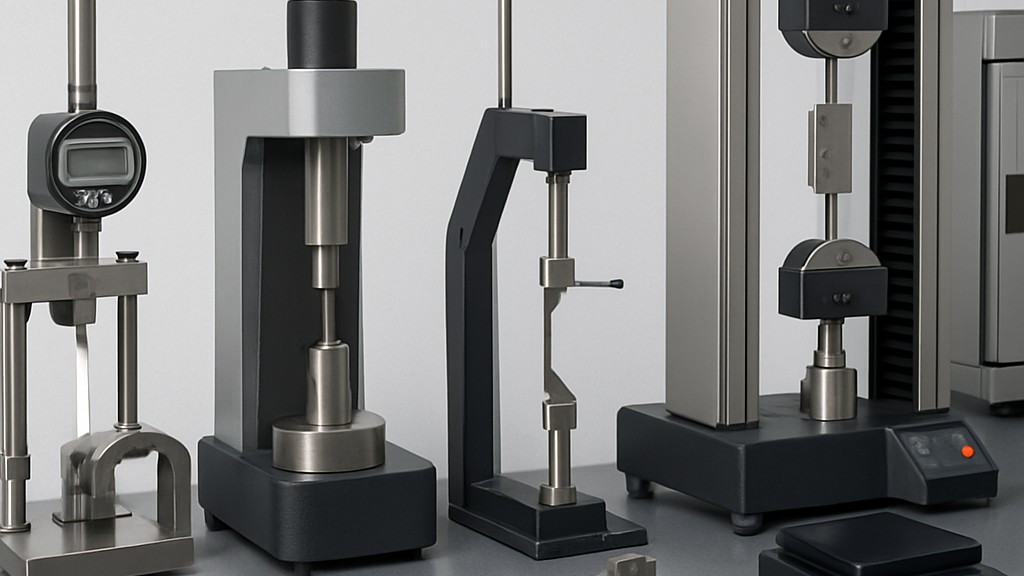
This standard defines the procedures and conditions for preparing test specimens and provides procedures for measuring the properties of the materials from which these specimens are made. It lists the properties and test methods appropriate and necessary for characterizing polyamide molding and extrusion materials.
The properties are selected from the general test methods in ISO 10350-1 Plastics - Acquisition and presentation of comparable single-point data - Part 1: Moulding materials. Other test methods commonly used or of particular importance for these moulding and extrusion materials are also included in this standard. The defining properties, viscosity number and tensile modulus, given in ISO 16396-1 are also included.
The test methods provided by this standard are intended to determine various physical, mechanical, thermal, and other properties of polyamide materials and are largely based on other ISO standards. This standard also specifies molding conditions for producing test specimens to ensure consistency. Test specimens are typically prepared by injection molding under defined conditions (e.g., drying time, temperature, pressure).
Major testing methods include:
The ISO 16396-2 standard is required for several important reasons, particularly in industries that rely on polyamide (PA) materials (commonly known as nylons, e.g. PA6, PA66) for high-performance applications.
In short, the ISO 16396-2 standard is essential to ensure reliable testing, traceable quality, informed material choices and a common technical framework within the global plastics industry.
Our organization, which has been trying to support businesses from every sector with its testing, measurement, analysis and evaluation studies carried out in a wide range for years, has a strong staff that closely follows the developments in the world in the field of science and technology and constantly improves itself. In this context, testing services in accordance with the "ISO 16396 Plastics - Polyamide (PA) molding and extrusion materials" standard are also provided to businesses.
To get an appointment, to get more detailed information or to request an evaluation, you can ask us to fill in our form and reach you.

