

The ASTM F1758-05 Standard Test Methods for Retaining Hinges Used in Retaining Swing Doors , developed by the American Society for Testing and Materials (ASTM), describes test methods covering apparatus, procedures, and acceptance conditions for evaluating the normal operating performance characteristics and performance characteristics under assault conditions of hinges used in swing door assemblies in detention and correctional facilities. These types of hinges are described in detail within the standard. Therefore, these test methods only provide an indication of the actual service performance characteristics of the hinges. Variables such as installation and maintenance conditions, which have a potential impact on performance characteristics, are not considered.
The intent of these test methods is to ensure that detention hinges perform at or above minimum acceptable levels to confine inmates, delay and deter escape attempts, and resist vandalism and attack. It is recognized that to meet the intent of these test methods, door, frame, and lock assemblies must comply with the performance level required by the test methods described in ASTM F1450-12a Standard test methods for hollow metal swing-door assemblies for detention and correctional facilities and ASTM F1577-05 Standard test methods for handle locks for swinging doors.
For hinge requirements on fire doors, reference should be made to the “NFPA 80 Standard for Fire Doors and Other Opening Guards” standard developed by the National Fire Protection Association (NFPA).
A major concern for custodial and correctional officers is the reliable operation of hinges used in their facilities. The test methods described in ASTM F1758-05 help assign a physical safety and performance level to hinges for swinging door assemblies.
These test methods also evaluate the effects of attacks on hinges on doors that simulate attack conditions. These test methods also evaluate the performance of a hinge under simulated normal operation.
However, these test methods do not measure a hinge’s resistance or performance against the following attacks: chemical agents, ballistics, explosives, or other extreme attack methods such as direct impact or manipulation of the hinges, or environmental elements such as rain, snow, or wind-borne dust or sand. When such elements are a potential factor, they are discussed with the manufacturer.
The primary purpose of these test methods is to approximate the levels of abuse and normal operating conditions to which hinges are subjected in detention and correctional institutions. These test methods attempt to do this through different degree levels associated with cyclic and impact testing. The desired outcome of these test methods is to provide some assurance of protection to prison staff, the community and inmates.
For the purposes of this standard,
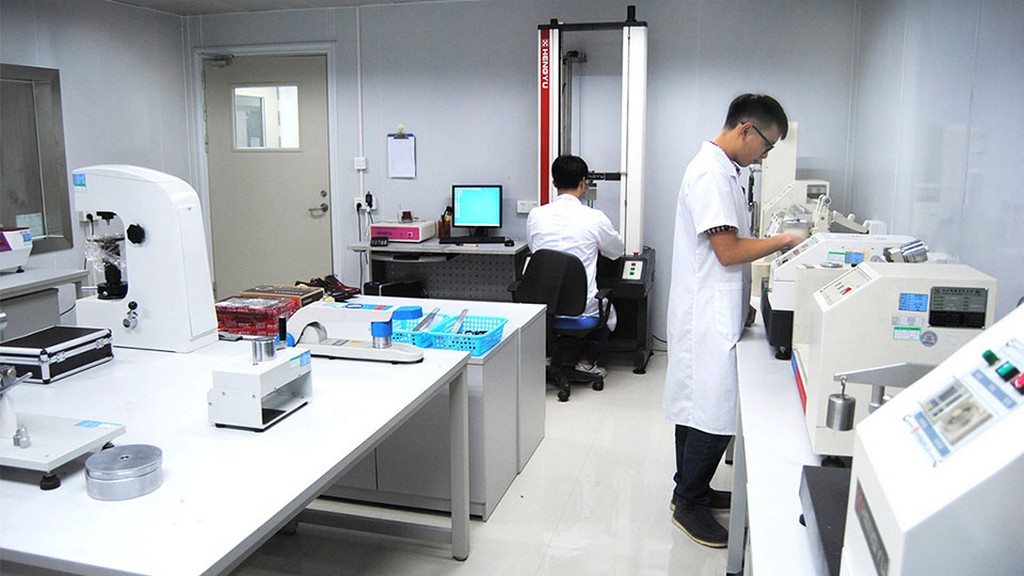
Among the numerous testing, measurement, analysis and evaluation studies that our organization has carried out for businesses in various sectors, our organization also provides testing services defined in the standard “ASTM F1758-05 Standard test methods for retention hinges used on swing doors with retention degrees” with its trained and expert staff and advanced technological equipment.
To get an appointment, to get more detailed information or to request an evaluation, you can ask us to fill in our form and reach you.

