

The standard “ASTM F2180-17 Standard specification for metallic implantable wires and cables” developed by the American Society for Testing and Materials (ASTM) describes the materials, dimensional tolerances, constructions, and mechanical properties for standard metallic implantable wires and cables. This standard is designed to assist in the development of specific wire and cable specifications. It is particularly suitable for high load-bearing applications. However, it is not intended to address all possible variations in construction, materials, or properties.
For the purposes of this document, the following terms and definitions apply:
In addition to the requirements of this standard, all requirements of current editions of ASTM F90-14, ASTM F136-13, ASTM F138-19, ASTM F562-13, ASTM F1058-16, ASTM F1295-22, ASTM F1314-13, and ASTM F1341-99 apply. In the event of a conflict between those listed, this standard shall take precedence.
Inquiries and orders under this standard must include the following information:
Pluggable wires and cables are manufactured using equivalent sized wires. Pluggable wires and cables are supplied in cold worked, cold worked and stress relieved or annealed condition. Finish types available on wires and cables are cold drawn, pickled, crimped or as specified by the customer.
Fine wires and cables play a critical role in the design of medical devices and subsequently in a wide range of medical diagnostic treatments. Devices such as guidewires, catheters, pacemakers, stents, staplers, functional electrical stimulation systems, eyeglass frames, and orthodontic braces may be composed of wires with diameters ranging from 10 to 100 micrometers.
Reliability is of utmost importance as part of both internal and external treatment methods. While the incidence of confirmed fractures is extremely low for most of these devices, the criticality of these components requires a strong understanding of the factors that control fracture and fatigue behavior.
Furthermore, improving the performance and reliability of these devices requires characterization of the fatigue and fracture properties of the component wires. The tests conducted mainly examine the cable architecture and stress states, as well as the effects of changes in material composition, microstructure, processing and testing conditions on the fracture and fatigue behavior of wire and cable systems used in biomedical applications.
The manufacturer's certificate that the material has been manufactured and tested in accordance with this standard and that the wires and cables of standard construction meet the requirements of this specification is presented at the time of product shipment.
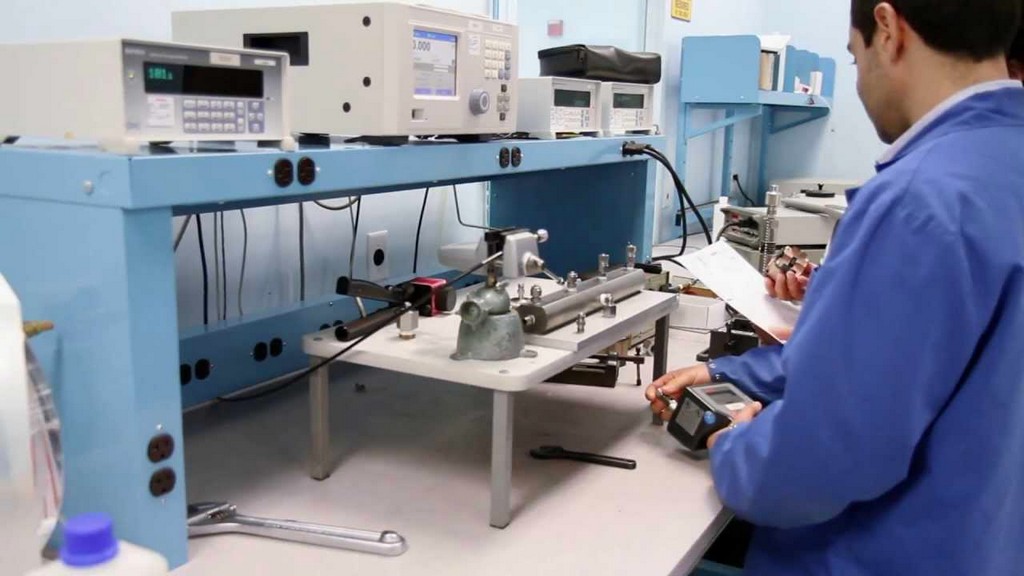
Among the numerous testing, measurement, analysis and evaluation studies that our organization has provided for businesses in various sectors, it also provides testing services defined in the "ASTM F2180-17 Standard specification for metallic implantable wires and cables" standard with its trained and expert staff and advanced technological equipment.
To get an appointment, to get more detailed information or to request an evaluation, you can ask us to fill in our form and reach you.

