

There are different methods of developing unbreakable glass. One of these, the borosilicate glass type, was developed in the late 19th century. Borosilicate glass is produced by adding boric oxide to the glass mixture. This process creates a type of glass that is more resistant to thermal shock than regular glass.
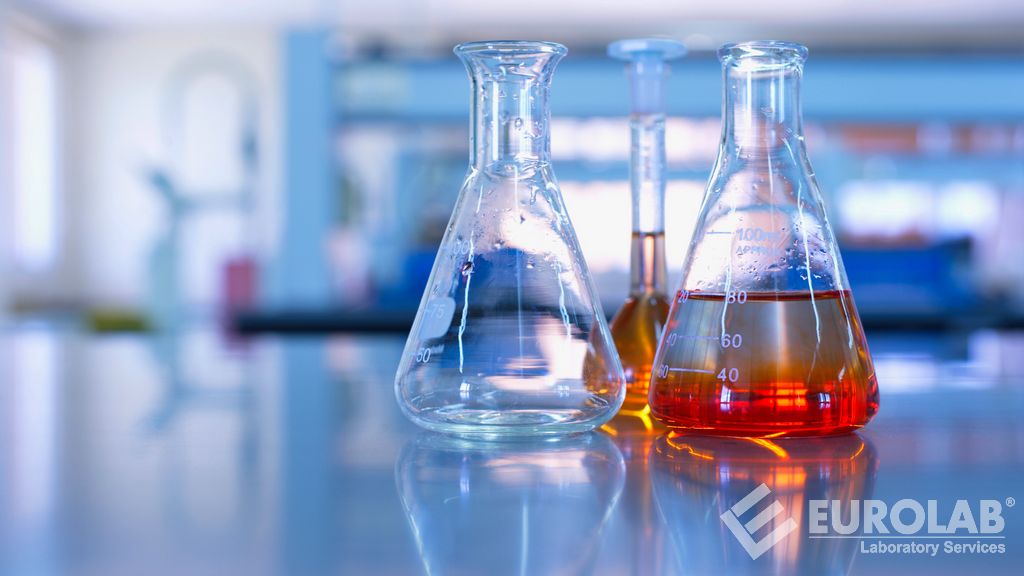
In fact, borosilicate glasses are not completely unbreakable. However, these glasses resist temperature changes better than normal glass and are more resistant to breakage than tempered soda lime silicate glass. Borosilicate glass is also used for laboratory equipment. Ordinary glass breaks under intense heat, but beakers and test tubes made this way are much stronger.
In short, borosilicate glass is a type of glass that allows a very low coefficient of thermal expansion and contains boron trioxide. It does not crack in extreme temperature changes like normal glass. Its durability has made it the glass of choice in establishments such as high-end restaurants, laboratories and wineries.
Borosilicate glass consists of about 15 percent boron trioxide, the magic ingredient that completely changes the behavior of glass and makes it resistant to thermal shock. This allows the glass to resist extreme changes in temperature. How much the glass expands when exposed to heat is measured by the coefficient of thermal expansion. In this way, borosilicate glass has the ability to go directly from the freezer to the oven shelf without cracking.
Many companies prefer to use soda-lime glass for their glass products because it is cheaper and more readily available. This type of glass makes up 90 percent of the glass produced worldwide and is used for products such as furniture, vases, beverage glasses, and windows. Soda-lime glass is sensitive to shock and does not withstand extreme temperature changes. Its coefficient of expansion is more than twice that of borosilicate glass, meaning it expands more than twice as fast when exposed to heat and breaks very easily.
Borosilicate glass has a much higher proportion of silicon dioxide compared to regular soda lime glass, making it less susceptible to breakage. In terms of temperature, the temperature difference that borosilicate glass can withstand is 170 degrees.
Our organization also provides brosilicate analysis services with its trained and expert staff and advanced technological equipment, among the numerous test, measurement, analysis and evaluation studies it provides for businesses in various sectors.
To get an appointment, to get more detailed information or to request an evaluation, you can ask us to fill in our form and reach you.

