

The standard “ASTM F1378-00 Standard specification for shoulder prostheses” developed by the American Society for Testing and Materials (ASTM) describes the requirements for shoulder prostheses for total or hemiarthroplasty used to provide functional articulation using glenoid and humeral components. Devices for special applications are not covered by this standard. However, modular prostheses are covered by this standard.
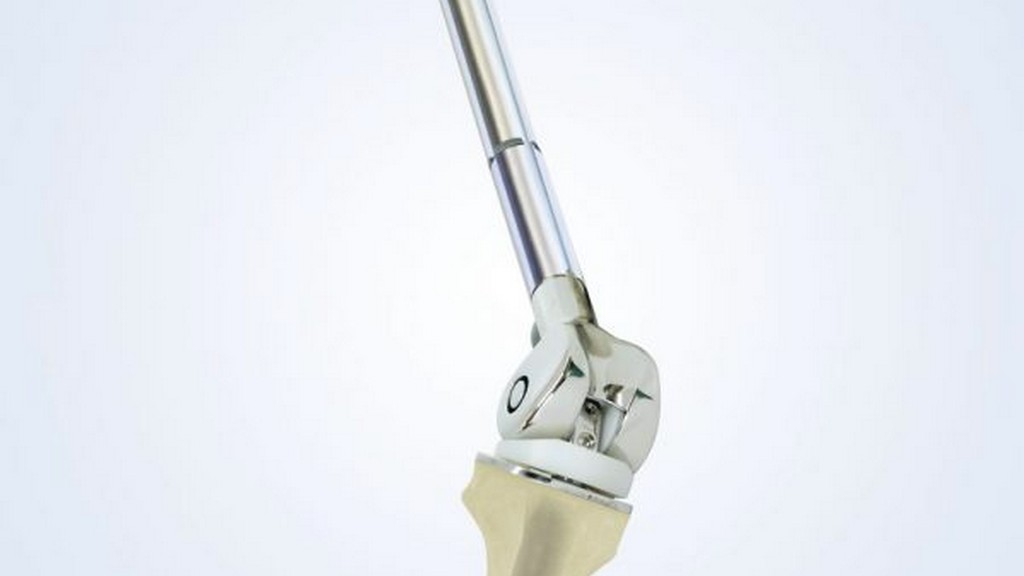
For the purposes of this standard, the following terms and definitions apply:
In the ASTM F1378-00 standard, the classification is made as follows:
The choice of materials is understood as a necessary but not sufficient guarantee of the functionality of the device made of them. All devices complying with this standard are manufactured from materials having sufficient mechanical strength and durability, corrosion resistance and biocompatibility.
In terms of mechanical strength, various components of shoulder prostheses have been successfully manufactured from materials defined in the following standards. However, not all of these materials may possess sufficient mechanical strength for critically high-stress components (ASTM F75-18, ASTM F90-23, ASTM F136-13, ASTM F138-19, ASTM F562-02, ASTM F563-00, ASTM F603-12, ASTM F648-21, ASTM F745-00, ASTM F799-19, ASTM F1108-22, and ASTM F1537-20).
For corrosion resistance, materials with limited or no history of successful use for orthopedic implant application must be determined to exhibit corrosion resistance equal to or better than one of the materials listed in the standard when tested in accordance with ASTM F746-04.
For biocompatibility, materials with limited or no history of successful use for orthopedic implant application must be determined to exhibit acceptable biological response equal to or better than one of the materials listed in the standard when tested in accordance with ASTM F748-16 and ASTM F981-23 standards.
It is important to understand the wear performance of articulating surfaces. Any new or different material should not exceed the wear rates of the material pair specified in the standard when tested under physiological conditions. The current standard wear pair is cobalt-648 chromium-21 molybdenum alloy (ASTM F28-6) versus ultra-high molecular weight polyethylene (ASTM F75-23), both of which have prosthetic-quality surface coatings that comply with the standard.
In terms of range of motion of the shoulder prosthesis before implantation, flexion should be at least 90 degrees, abduction at least 90 degrees, internal rotation at least 90 degrees, external rotation at least 45 degrees, and extension at least 45 degrees. Porous metal coatings are tested in accordance with ASTM F1044-5 (shear strength) and ASTM F1147-05 (tensile strength) standards.
All modular implants must be tested in accordance with ASTM F1829-16, and all prosthetic glenoid components must be tested in accordance with ASTM F2028-17.
Implant testing should reflect current clinical failures and potential failure modes specific to the implant. These tests may include subluxation, glenoid loosening, insert separation from a metal strut, and humeral head separation.
Among the numerous testing, measurement, analysis and evaluation studies that our organization has carried out for businesses in various sectors, it also provides testing services defined in the "ASTM F1378-00 Standard specification for shoulder prostheses" standard with its trained and expert staff and advanced technological equipment.
To get an appointment, to get more detailed information or to request an evaluation, you can ask us to fill in our form and reach you.

