

In the TS 236 standard, physical test methods are explained for all manufactured leathers and leathers. However, physical examination and test methods of raw hides are outside the scope of this standard.
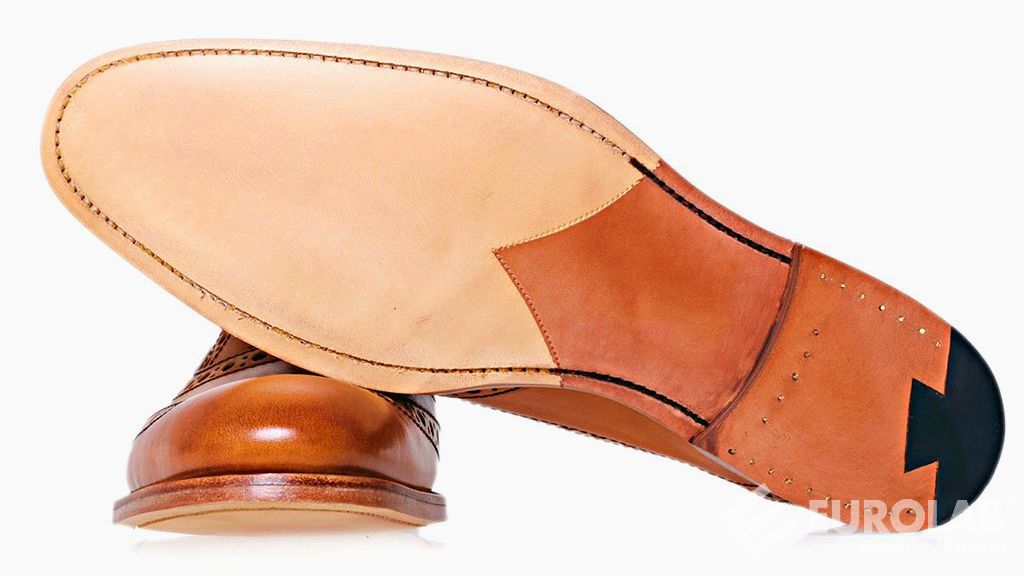
Physical tests of the leather material are carried out to ensure that the products meet the country-specific quality and safety standards. They also eliminate the risk of costly recalls if products are found to be defective, which is common with leather imported from developing countries.
There are various legal regulations that restrict the use of chemicals in textiles, leather and shoes marketed in European Union countries. However, even if there are no special legal requirements for leather products, these products must comply with the general product safety directive in force in the European Union countries. Many standards published by the International Standards Organization (ISO) are to ensure that leather products meet these safety requirements.
The TS 236 standard was also prepared for this purpose. Physical tests help to avoid common quality problems related to leather products. The durability of leather depends on the processes used in tanning, including dyeing and coatings. Some of the problems that can be detected and corrected by testing in leather products are: looseness of the leather, uneven dyeing, color variation, color transition, weak leather, odor, and cracking. In addition, peeling and cracking of the leather coating is also a serious physical problem.
During use, leather products are exposed to many mechanical effects such as abrasion, stretching and compression, and to environmental factors such as water, heat, cold, humidity, UV light and similar environmental factors that the products must withstand. These factors cause cracking of the leather and it is important to determine the resistance of leather products against external factors.
Another standard that includes physical and mechanical tests of leather material is ISO 17233 standard. This standard provides a test method for determining the cold crack temperature of surface coatings applied to leather. This method is applied to all leathers with surface coating and easy stretching.
Among the numerous test, measurement, analysis and evaluation studies it provides for businesses in various sectors, our organization also provides physical examination and testing services for manufactured leathers and leathers, within the scope of TS 236 standard, with its trained and expert staff and advanced technological equipment.
To get an appointment, to get more detailed information or to request an evaluation, you can ask us to fill in our form and reach you.

