

Zirconia-based ceramic materials are increasingly used in dental prostheses today, replacing metal cores that are known to cause local toxic reactions and allergic responses in oral tissues. However, unpurified zirconia materials are known to contain non-negligible levels of natural radionuclides. A radionuclide is a type of atom that has excess nuclear energy, making it unstable. Therefore, there are some concerns about the use of zirconia.
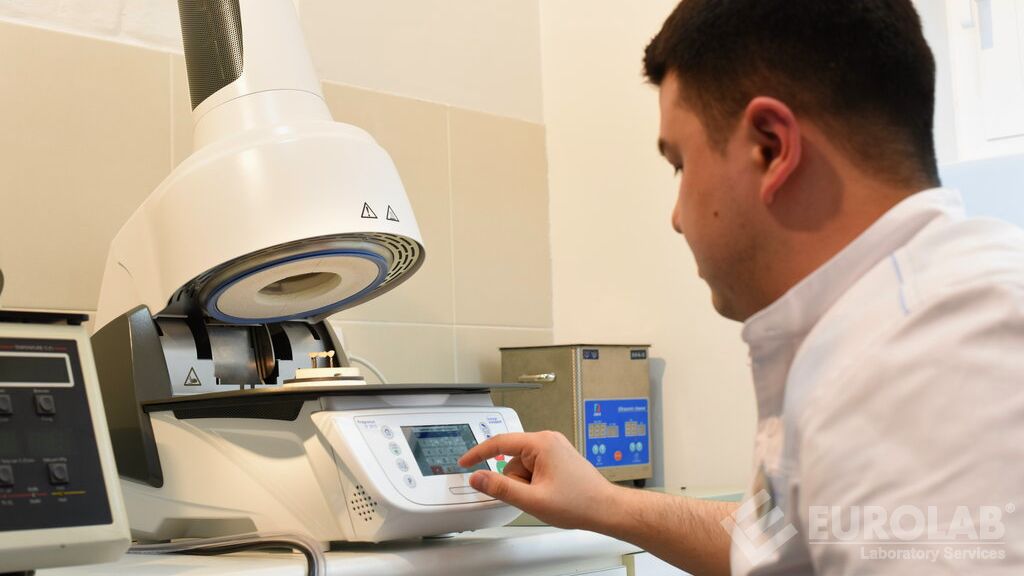
In advanced laboratories, combined measurements of beta dosimetry as well as alpha and gamma spectrometry are performed on zirconia samples used for dental applications. Studies show that the beta dose rate in zirconia ceramics is on average only slightly higher than the levels measured in natural teeth and is generally lower than the values measured in glass ceramics.
In general, zirconia materials are refined for dental purposes from naturally occurring elements such as zirconia and contain traces of radionuclides and other elements depending on their original source. These results show that for zirconia materials, though not completely zero, it is below the background radiation level and thus negligible.
Despite this, the possible radioactive potential of zirconium dioxide dental ceramics raises some concerns in the field of dentistry and research continues. The compositions of the samples are analyzed using X-ray fluorescence spectrometry (XRF) and the concentrations of elements and compounds are measured by this method. Gamma spectrometry measurements and gross alpha/beta analysis methods are used to determine radioactivity.
In general, the radioactivity of the zirconium dioxide ceramics studied is lower than that of many hazardous radioactive devices in the environment and shows negligible radionuclide activity.
The human body is exposed to radiation from the sun, the earth, electronic devices, and also from naturally occurring radionuclides in body tissues. If dose limits are exceeded, it becomes harmful to health and may ultimately cause mutagenic or transformative effects in some tissues. On the other hand, patients treated with ceramic materials containing radionuclides are susceptible to radioactive contamination. In this respect, radioactivity tests of dental ceramics are important.
Our organization also provides radioactivity testing services of dental ceramics with its trained and expert staff and advanced technological equipment, among the numerous test, measurement, analysis and evaluation studies it provides for businesses in various sectors.
To get an appointment, to get more detailed information or to request an evaluation, you can ask us to fill in our form and reach you.

