

The main function of corrugated packaging is to protect and transport goods, potentially along the way, from the manufacturer to the end user. For many reasons, making sure the integrity of the corrugated box is an appropriate match to the product it holds is critical in custom packaging development. Material strength is the main factor by which the effectiveness of a corrugated box is measured. The boxes are made from corrugated cardboard, which consists of a layer of corrugated paper sandwiched between two outer papers. Corrugated cardboard has different sizes and different sheet thicknesses.
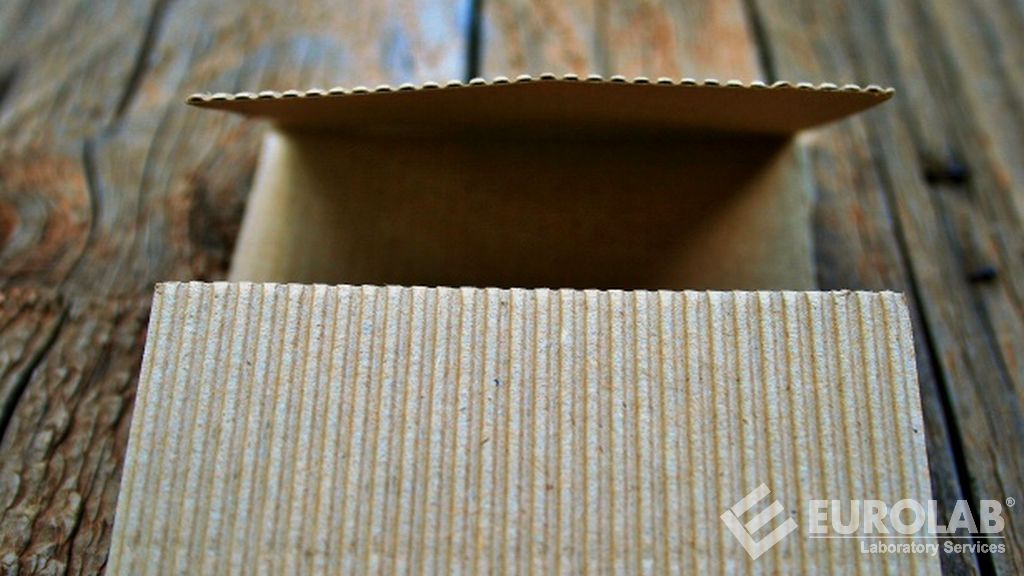
The strength of corrugated cardboard varies according to the size of the corrugation, the weight of the papers used and the composition of the materials used. For example, recycled corrugated cardboard is not as strong as made from virgin materials. This is because the recycling process breaks down the paper fibers that make up the pulp, resulting in shorter fibers that cannot withstand more pressure.
In advanced laboratories, an edge crush test (ECT, edge crush test) is applied to evaluate the strength of corrugated cardboard by measuring the cross-direction crushing of a given sample size. This method provides data on the ability of a given slab construction to resist crushing under the vertical pressure that comes with stacking. ECT is an industry standard for comparing the stacking strength of various grades of corrugated board. ECT is measured in pounds per linear inch of the load-bearing edge, but is typically expressed as 44 ECTs. This value is then used to calculate the theoretical compression strength of a box. Briefly, ECT determines the minimum amount of vertical pressure required to crush a corrugated box. This test is a relevant measure of strength for most boxes as they must withstand being stacked on pallets, shipping containers and delivery trucks before reaching their final destination.
A box compression test (BCT ) takes a slightly different approach to the problem. Instead of simply expressing the strength of corrugated cardboard regardless of the product or box format it carries, BCT values indicate the performance a company expects from that packaging. To produce a target compression value that meets customer expectations, BCT considers variables such as what goes into the box, how the box is stacked, and the box's lifespan.
Our organization also provides cardboard and corrugated cardboard ECT and BCT measurement services with its trained and expert staff and advanced technological equipment, among the numerous test, measurement, analysis and evaluation studies it provides for businesses in various sectors.
To get an appointment, to get more detailed information or to request an evaluation, you can ask us to fill in our form and reach you.

