

The “PI-11 Static/Dynamic Compressive Load Hip Joint” standard, developed by PI Medical Implants, describes the tensile test method for determining spinal ligaments.
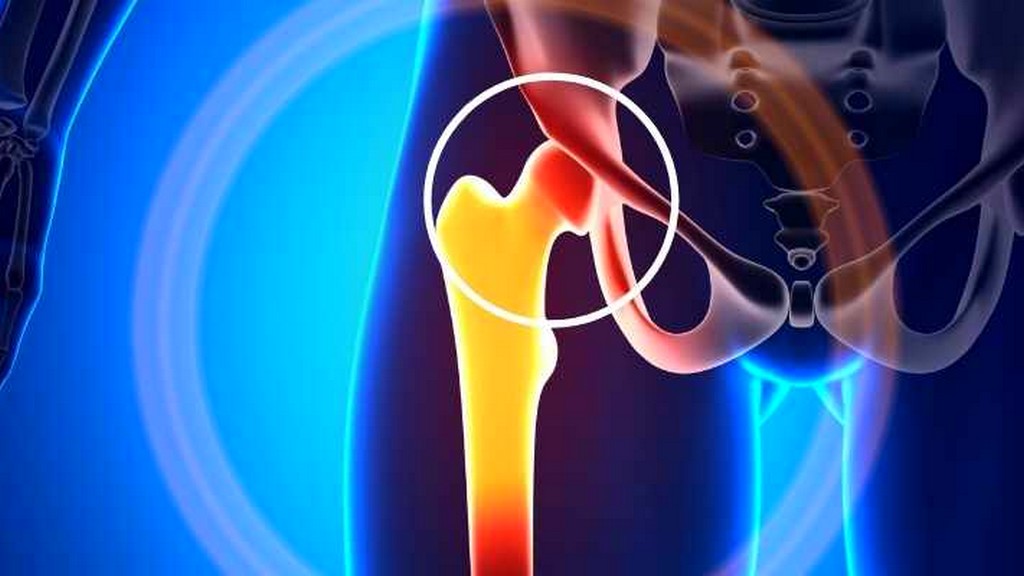
This test procedure covers static and dynamic compression testing of the hip implant insert. Due to the variety of designs in clinical use, the PI-11 test procedure may require modifications to specific design specifications.
These tests are performed in vivo. Great care should be taken when testing non-symmetrical implants or implants with special design features that require modified or additional testing.
When performing the test, the acetabular cup is placed in a fixture at a predefined inclination. A static or dynamic load is then applied until a certain number of cycles are reached or fracture occurs.
Materials can be damaged by repeated loading, which results in loss of strength and eventual complete failure. In general, fatigue tests are performed to determine the decrease in stiffness and strength of materials under repeated loading and to determine the total number of load cycles before failure occurs. Fatigue tests are performed by repeated tension-tension, compression-compression, tension-compression, or other cyclic loading combinations. Fatigue stress is applied to the specimen repeatedly using various load waveforms. The shape of the loading waveform is usually sinusoidal, although triangular and block loads are also used. The frequency of the load cycles is usually low, typically 1–20 Hz, to prevent heating of the specimen, which can affect fatigue results.
In a tensile test, the ends of the test piece are fixed to grips, one attached to the load measuring device on the tensile machine and the other to the tensioning device. Tension is usually applied by means of a motor-driven crosshead. The load required to cause this elongation can be obtained from the elastic deflection of a beam or proof ring, which can be measured using hydraulic, optical or electromechanical methods.
In short, fatigue testing is a method of evaluating how materials or structures behave under cyclic loading conditions that can lead to failure over time. Experimental mechanics is a field of engineering that applies a variety of techniques and tools to measure and analyze the physical response of materials or structures under different loading scenarios. These tests involve repeatedly applying a load or stress to a material or structure until it fractures or shows signs of damage. The load or stress can vary in magnitude, frequency, direction, and duration. The number of cycles required to cause failure is called fatigue life and depends on many factors, including material properties, geometry, environment, and loading history. Fatigue testing helps understand the fatigue behavior and performance of materials or structures and design them to withstand expected loading conditions.
Among the numerous tests, measurements, analyses and evaluation studies that our organization has carried out for businesses in various sectors, it also provides testing services defined in the “PI-11 Static / dynamic compressive load hip joint” standard with its trained and expert staff and advanced technological equipment.
To get an appointment, to get more detailed information or to request an evaluation, you can ask us to fill in our form and reach you.

