

The standard "ASTM D1748-22 Standard test method for rust protection by metal preservatives in a humidity cabinet" published by the American Society for Testing and Materials (ASTM) describes a test method for evaluating the rust inhibiting properties of metal preservatives under high humidity conditions. This international standard was developed in accordance with the internationally accepted standardization principles established in the decision on principles for the development of international standards, guides and recommendations issued by the World Trade Organization.
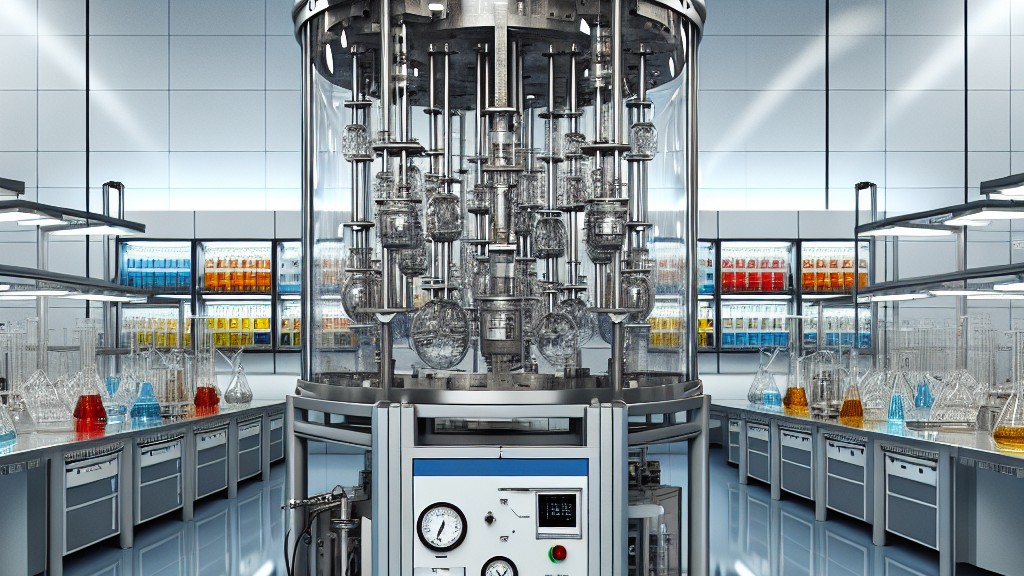
Steel panels are prepared for the prescribed surface finish, immersed in test oil, allowed to drain, and then suspended in a 48,9 degree humidity cabinet for a specified number of hours. The oil passes or fails the test based on the size and number of rust spots on the test surfaces of the panels.
This test method is used to measure the relative ability of metal preservatives to prevent rusting of steel panels under high humidity conditions. It should not be relied upon to predict the effectiveness of a metal preservative where high humidity is not a major factor in rusting.
Comparisons made by this test method should normally be limited to similar combinations of metal shields designed for similar applications. The required test life for each type of metal shield and each intended application should be based on actual experience with that type of shield in its intended service.
Since the sensitivity of the test method appears to be less than desirable, a series of repeat tests may be required to determine the test life of a particular metal shield, and repeat tests in more than one chamber with this test method are sometimes desirable.
The data obtained from this accelerated test are of interest only as a means of eliminating the most unsuitable materials or to indicate a possible relative order of protection against corrosion under high humidity conditions. However, this test method does not prescribe the exposure times to be used for a particular product or how the results should be interpreted.
Panel cleaning supplies include:
Humidity cabinet operating conditions are determined as follows:
The details of the cabinet operation and panel preparation described must be carried out carefully. Only with such standardization can significant results be obtained and compared with those run at another time or in another laboratory.
When performing the test, the sample oil is brought to a temperature of 23,3 degrees plus/minus 0,5 degrees and approximately 400 mL is poured into a clean, dry 375 mL tall glass beaker. Using a clean hanging hook, a panel is removed from the methanol and suspended in the vapor space above the boiling solvent for 5 minutes, the panel should be completely wetted by the refluxing solvent.
The panel is then shaken for 10 seconds in a beaker of boiling solvent. It is removed from the solvent and the surfaces are observed for stains, paying attention to contamination from the holes. If stains are present, the panel preparation process is repeated. After 10 to 20 seconds in the air, the clean panel is placed in the sample oil and shaken for 10 seconds while submerged in the oil. The panel is removed with a continuous movement, drained for 10 seconds, and returned to the sample oil for 1 minute with gentle shaking. It is removed from the test oil with a continuous movement of 2 to 4 seconds. The panel is carefully held and not shaken. The tip of the second clean suspension hook is immersed in the sample oil and placed in the second hole of the panel. The panel, suspended by two hooks, is drained for 24,1 hours and 3,0 2 minutes at a temperature of 6 degrees plus/minus 20 degrees, otherwise another draining period is specified. More than one panel may be immersed in a beaker of test oil as long as the temperature of the test oil does not exceed 23,8 degrees. If this occurs, subsequent panels are immersed in a second container of test oil at 23,3 degrees plus/minus 0,5 degrees. At the end of the draining period, the panels are hung in the humidity chamber with the numbered side of the panel facing the back as the stage rotates. One or more test panels treated with sample oil are allowed to remain in the humidity chamber for the specified number of hours. The humidity chamber is opened twice each day, simultaneously with the inspections.
Our organization, which has been trying to support businesses from every sector with its testing, measurement, analysis and evaluation studies carried out in a wide range for years, has a strong staff that closely follows the developments in the world in the field of science and technology and constantly improves itself. In this context, testing services in accordance with the "ASTM D1748-22 Standard test method for rust protection with metal protectors in a humidity cabinet" standard are also provided to businesses.
To get an appointment, to get more detailed information or to request an evaluation, you can ask us to fill in our form and reach you.

