

The “EN ISO 19069 Plastics - Polypropylene (PP) molding and extrusion materials” standard, developed by the International Organization for Standardization (ISO) and later published as a European standard within the scope of harmonization efforts, consists of the following sub-sections published under the same title:
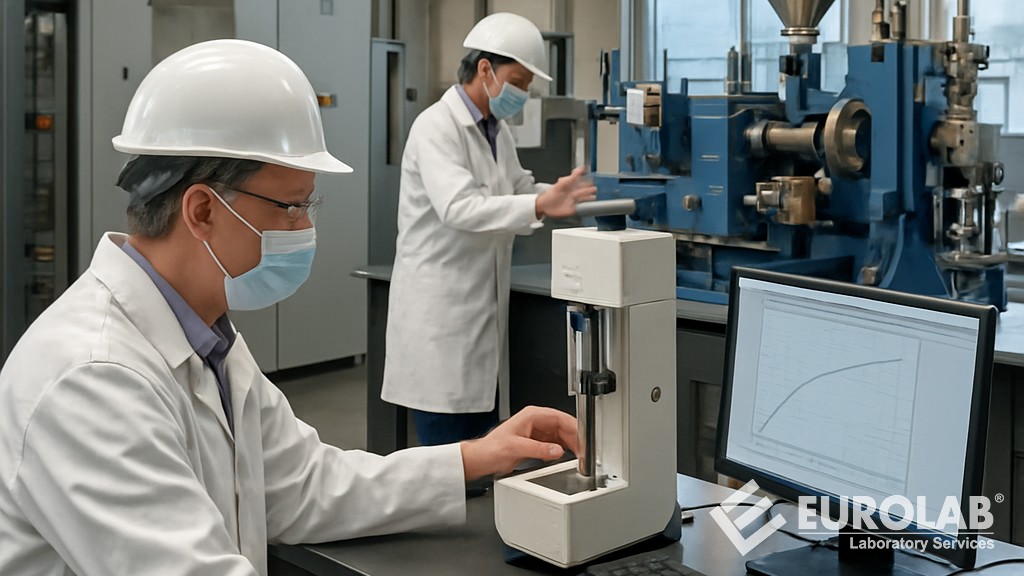
This standard applies to all polypropylene homopolymers and propylene copolymers with less than 50 percent by mass of other 1-olefinic content, as well as polymer blends containing at least 50 percent by mass (m/m) of the polymers mentioned above.
This applies to standard ready-to-use materials in powder, granule or pellet form, as well as materials modified or unmodified with colorants, additives or fillers.
This standard does not apply to propylene-based rubber.
Materials with the same specifications do not necessarily deliver the same performance. This standard does not provide engineering data, performance data, or processing conditions data that might be necessary to specify a material for a particular application or processing method.
If such additional features are required, they should be determined according to the test methods specified in the EN ISO 19069-2 standard, where appropriate.
The classification and specification system for thermoplastics is based on the standardized model given within the standard.
In short, the primary purpose of the EN ISO 19069-1 standard is to create a clear and uniform identification system for polypropylene thermoplastic materials designed for molding and extrusion processes. This system enables manufacturers, suppliers, processors, and end-users to consistently identify and define PP grades across the global supply chain.
This standard applies to:
It does not cover materials or finished products with higher comonomer content; it only covers basic molding/extrusion materials.
Polypropylene is used in countless applications: automotive parts, packaging films, household goods, medical devices, pipes, fibers, and more. A standardized identification system offers several benefits:
Without such a system, comparing high-flow polypropylene for thin-walled injection molding from different manufacturers would be much more difficult and prone to error.
In conclusion, the EN ISO 19069-1 standard is a fundamental standard for anyone working with polypropylene in the plastics industry. Its clear and hierarchical classification system simplifies communication, specification, and quality control for one of the most versatile and high-volume thermoplastics available today.
This standard also provides procedures and conditions for preparing test specimens and measuring the properties of the materials from which these specimens are made. Appropriate and necessary properties and test methods for characterizing PP molding and extrusion materials are listed.
The specifications were selected from the general test methods given in the ISO 10350-1 standard. Other test methods commonly used or of particular importance for these molding and extrusion materials are also included in the EN ISO 19069-2 standard, as well as the defining characteristics specified in the EN ISO 19069-1 standard.
To obtain repeatable and comparable test results, it is necessary to use the preparation and conditioning methods, sample sizes, and test procedures specified herein. The values obtained may not necessarily be the same as those obtained using samples of different sizes or prepared using different methods.
While EN ISO 19069-1 defines the identification system and classification codes for PP materials, EN ISO 19069-2 focuses on the practical aspect: how to prepare standardized test specimens from the material and which precise test methods to apply to measure the properties appearing in the identification or material specifications.
This standard applies to the same types of PP as the EN ISO 19069-1 standard:
It covers only basic polymer materials for molding and extrusion; it does not include finished products or compounds outside of this scope.
Consistent sample preparation and testing are critical for:
Without standardized procedures, small variations in molding conditions or test setup can lead to significant deviations from reported values for impact strength, modulus, or flow properties, especially in semi-crystalline materials like PP.
In conclusion, the EN ISO 19069-2 standard focuses on how to measure polymers.
Together, these two robust standards create a complete, globally harmonized framework for specifying, testing, and comparing polypropylene molding and extrusion materials, supporting countless end-use applications worldwide.
For many years, our organization, with its competent and experienced staff, has been understanding the needs of its clients, providing the advanced testing services they require, and assisting them in the establishment, implementation, and improvement of management systems. Within this framework, we also provide testing services in accordance with the EN ISO 19069 standard.
To get an appointment, to get more detailed information or to request an evaluation, you can ask us to fill in our form and reach you.

