

The “DBL 7390 Primed Metallic Components as a Base for the Following Finishes” standard, developed by Daimler Automotive , describes the requirements for the coating quality of metal parts used on the exterior surfaces of vehicles, worn parts on the interior of the underbody, chassis and cab in commercial vehicles, and parts used in main units and engine compartments. These coatings are primer coatings; an additional coating is applied by the supplier or at the receiving facility. A type version describes the requirements for coating quality depending on the type of coating used and the recommended application area.
Within the framework of general requirements, all relevant legal regulations must be complied with in order to ensure product safety and product quality and to comply with certification requirements. In addition, the relevant requirements of the Daimler Group apply. Materials, process engineering, component parts and systems must comply with all applicable legal requirements in terms of content and recyclability. DBL 6714 and DBL 8585 must be observed.
These specifications also apply to components with a prescribed product version that are still in use, even if the product version is no longer approved for new designs. For new sampling of components based on an outdated product version, the technological requirements of the standard for which the product version is listed as last up-to-date apply.
The coating required for the component shall be documented in accordance with the MBN 10300 standard. If the drawing shows an assembly or component that is not adequately described in this labeling area, the exact specifications shall be clearly stated in this labeling area. The base material is part of the brief description of the material condition in accordance with the MBN 10300 standard, which can be consulted from the bill of materials.
If the drawing describes an assembly of individually painted components, a table or extension of the table is created for these components. Each part of an assembly that is to be coated must be assigned a part number. The part number is used to identify the individual part in the drawing. In addition, the part number is documented in the part number column for the item number of the individual part in the drawing table. Coating information for individual parts with individual drawings must be documented in the individual drawing to avoid duplication.
Coating surfaces should be defined in primed assemblies or welded structures as assemblies, especially those with cavities. If it is necessary to define different requirements in an item number due to different substrates or functional requirements, the details should be kept in the drawing or in a separate reference drawing. Requirements related to the coating, for example masked units, special materials or coating thickness requirements, should also be documented.
The empty units to be masked must be limited to the functionally necessary dimensions and defined in the drawing. A separate reference drawing can be created if necessary.
Normally, no specific coating thickness is defined by this standard, but the required tests must be carried out. The coating thickness requirement may vary depending on the coating materials used. If other requirements, such as paintability or screw joint strength, require compliance with specific coating thicknesses, these should be defined on the drawing.
This standard does not have any specific requirements for the type of coating material as long as it meets its requirements. If, due to other requirements, e.g. screw joint strength, special chemical resistance is required for a particular material or type of material, this should be stated on the drawing or in a separate requirement specification.
The technical-mechanical tests defined in the DBL 7390 standard include:
The following tests are performed within the scope of climate tests in this standard:
Other test methods defined in this standard include:
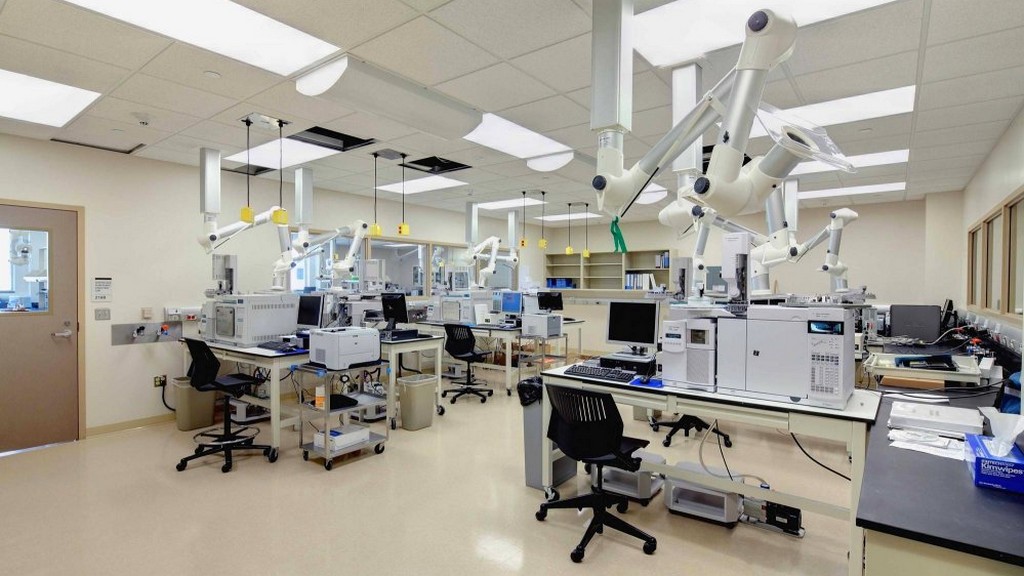
Among the numerous testing, measurement, analysis and evaluation studies that our organization has provided for businesses in various sectors, it also provides testing services defined in the standard “DBL 7390 Primed metallic components as the basis of the following top coats” with its trained and expert staff and advanced technological equipment.
To get an appointment, to get more detailed information or to request an evaluation, you can ask us to fill in our form and reach you.

