

Chemical tests are performed to obtain information about the quality and chemical composition of a sample. There is an increasing need for chemical testing to help businesses comply with regulatory and safety requirements. These tests determine the composition or basic structure of metals, alloys and other materials.
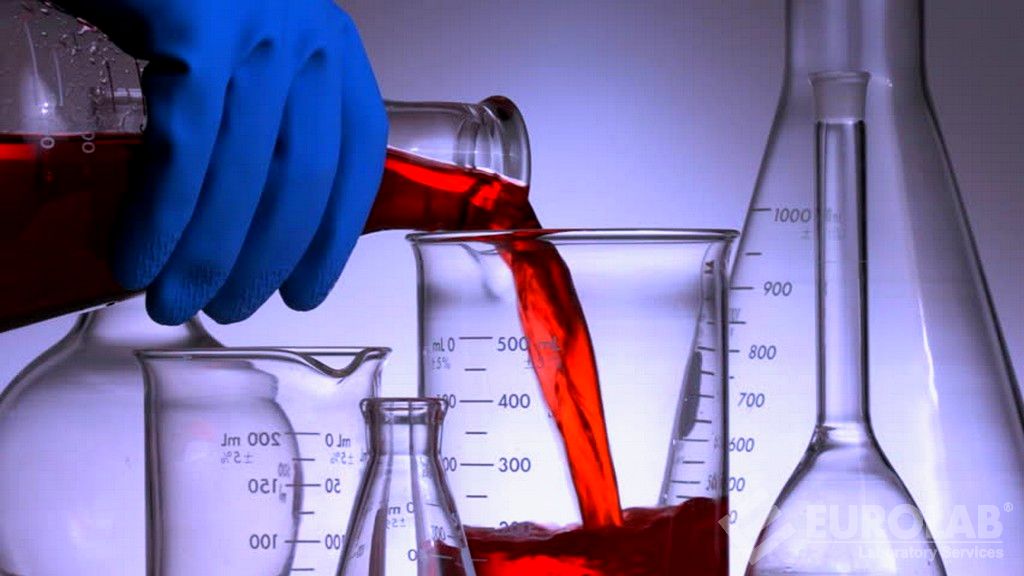
Advanced laboratories analyze metals, powdered metals, ores, composites, polymers and more. Chemical test reports are required to verify a material's content, get a detailed breakdown of an unknown material, and get specific responses about contaminants.
The main analysis methods in chemical tests are: carbon, sulfur, nitrogen, oxygen and hydrogen analysis and determination, atomic emission spectroscopy, inductive coupled plasma spectroscopy, energy dispersive X-ray spectrometry, fourier transform infrared spectroscopy, positive material identification and source flux and inorganic samples. for moisture analysis. In addition, classical and instrumental wet chemistry services, gravimetry, titrimetry and inert gas fusion methods are also applied.
In this context, chromatographic methods are used to determine the active ingredients and characterize impurities in pesticide formulations. Counterfeit plant protection products cause crop losses and threaten human health, the food trade, and the environment. Therefore, verification of formulated plant protection products is crucial. Active ingredient analyses in pesticide formulations are performed for this purpose.
In the test, analysis, measurement and evaluation studies carried out in our organization, national and international standards and applicable legal regulations are complied with and reliable and impartial results are obtained. Chemical tests (active substance determination) are among the numerous tests carried out in this context.
To get an appointment, to get more detailed information or to request an evaluation, you can ask us to fill in our form and reach you.

