

Developed by the American Society for Testing and Materials (ASTM), the ASTM D4170-16 standard covers a test method for evaluating the wear protection provided by lubricating greases.
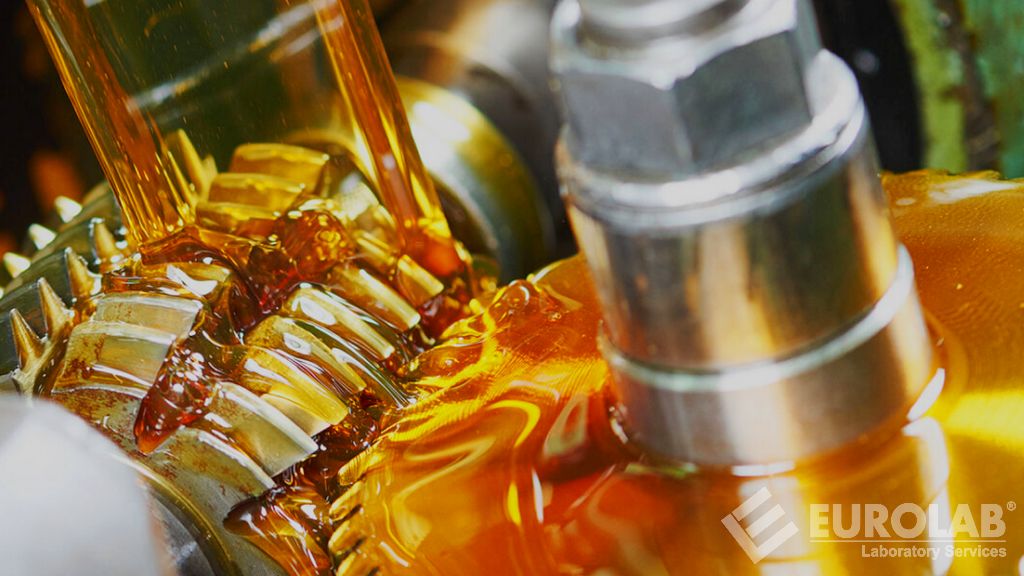
This test method is used to evaluate the properties of lubricating greases to protect oscillating bearings from friction wear. Used for specification purposes, this method distinguishes between greases that cause low, medium and high amounts of friction under prescribed test conditions.
This test method is used to predict the wear performance of greases in wheel bearings of vehicles used over long distances. Test results do not necessarily correlate with results from other types of services. It is the user's responsibility to determine if the test results are compatible with other types of services.
Frictional wear is common when ball and roller bearings oscillate under grease lubrication. The ASTM D4170-16 standard friction test method was developed to evaluate the anti-wear properties of lubricating grease against the wear caused by the wheel bearings of automobiles by rail transport. This test is performed under a constant load, but for industrial machines the load condition often fluctuates. Today, there is no international standard for evaluating friction wear under fluctuating load.
The first and most important action to overcome friction is lubrication. Lubrication is essentially the insertion of a slippery substance between two surfaces under force and motion. Friction, wear, lubrication science, and the design of bearings, gears, or other industrial parts exposed to friction and wear are called tribology.
Friction causes machines to be inefficient. It is estimated that about one-third of the world's energy resources are consumed in response to friction. Pressure-exposed surfaces affected by movements are a special focus in tribology. The lubricant interacts with each surface, forming a protective layer that separates the moving surfaces, reducing friction, thereby reducing damage and heat generation. This formation is essential in lubrication.
Our organization, among the numerous test, measurement, analysis and evaluation studies it provides for businesses in various sectors, also provides standard testing services for lubricating greases and friction wear protection within the scope of ASTM D4170-16 standard, with its trained and expert staff and advanced technological equipment.
To get an appointment, to get more detailed information or to request an evaluation, you can ask us to fill in our form and reach you.

