

In the textile and materials testing industry, wrinkle elasticity and abrasion resistance refer to key performance characteristics evaluated through specialized abrasion and stretch tests, particularly for automotive upholstery, leather, coated fabrics, synthetic leather, rubberized fabrics, and similar materials. These properties are critical in applications where fabrics are subjected to repeated folding, wrinkling, and mechanical stress (e.g., car seat covers), ensuring their ability to withstand manufacturing processes (such as sewing and stretching) and prolonged wear without degradation.
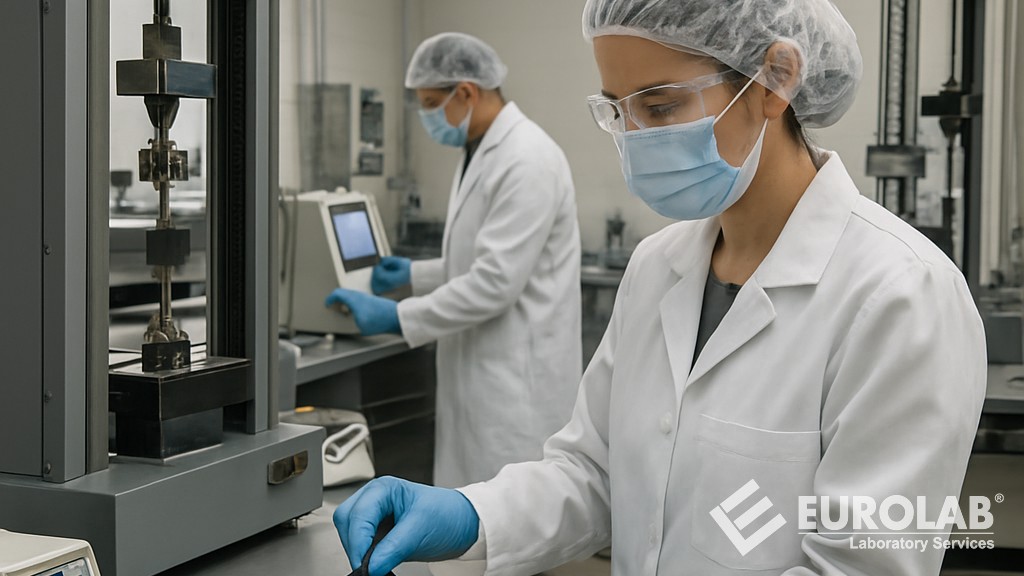
The wrinkle elasticity test simulates real-world stretching and abrasion by repeatedly folding and unfolding a fabric sample under controlled pressure and movement. The test subjects the material to cyclical wrinkling (folding along a line) combined with surface friction or stretching, mimicking actions such as sitting, getting in/out of a vehicle, or handling during upholstery installation.
The primary device used for this purpose is the Scott type wrinkle elasticity abrasion tester. This device clamps the sample between two fixtures (one fixed, the other movable), applies a specific load, and operates the sample with back-and-forth movements to create repeated wrinkles and friction.
The main evaluation criteria during and after the test are as follows:
Abrasion resistance measures how well a fabric resists thread slippage, fraying, or unraveling, especially when stretched along creases or edges. In the automotive industry, low thread unraveling resistance can compromise appearance, strength, and safety by causing threads to break during sewing (seat cover production) or due to repeated stretching during use. This is particularly important for:
The Scott type test directly assesses yarn unraveling resistance by observing yarn behavior after thousands of stretching cycles (test parameters such as stroke length, compression pressure, and number of cycles can be adjusted according to standard or specification).
There is no single universal ISO or ASTM standard that regulates crease stretch or yarn unraveling resistance. However, the Scott-type method is included in the following automotive original equipment manufacturer specifications and related protocols:
Various manufacturers produce these testing devices, often highlighting their use for testing the durability of automotive seat fabrics.
In short, for high-demand applications such as vehicle interiors, fabrics must be resistant to the following:
Good performance in wrinkle, stretch, and abrasion resistance tests helps predict longevity, reduce warranty claims, and meet stringent automotive quality requirements.
For those working in textile quality control, automotive material supply, or product development, the Scott wrinkle resilience test remains a go-to method for ensuring fabrics can withstand repeated wrinkling without excessive wear or surface damage.
Abrasion resistance testing is a specialized durability assessment required for materials such as seat fabrics, upholstery, coated textiles, and similar materials, particularly in the automotive industry. This test evaluates how well a fabric resists unraveling, fraying, yarn slippage, or edge fraying when repeatedly wrinkled, stretched, and abraded under load.
The main reasons why this test is necessary are as follows:
For many years, our organization, with its competent and experienced team, has been understanding the needs of its clients, providing the advanced testing services they require, and assisting in the establishment, implementation, and improvement of management systems. Within this framework, we also provide wrinkle flexibility and tear resistance testing services to businesses.
To get an appointment, to get more detailed information or to request an evaluation, you can ask us to fill in our form and reach you.

