

The "UL 62 Flexible cords and cables" standard, developed by Underwriter Laboratories (UL), describes the requirements for flexible cords, elevator cables, and shaft cables with a maximum voltage of 600 Volts, and electric vehicle cables with a maximum voltage of 1000 Volts. This standard is intended to be used in conjunction with the "NFPA 70 National Electrical Code" standard and the "CAN/CSA C22.1 Canadian Electrical Code" standard.
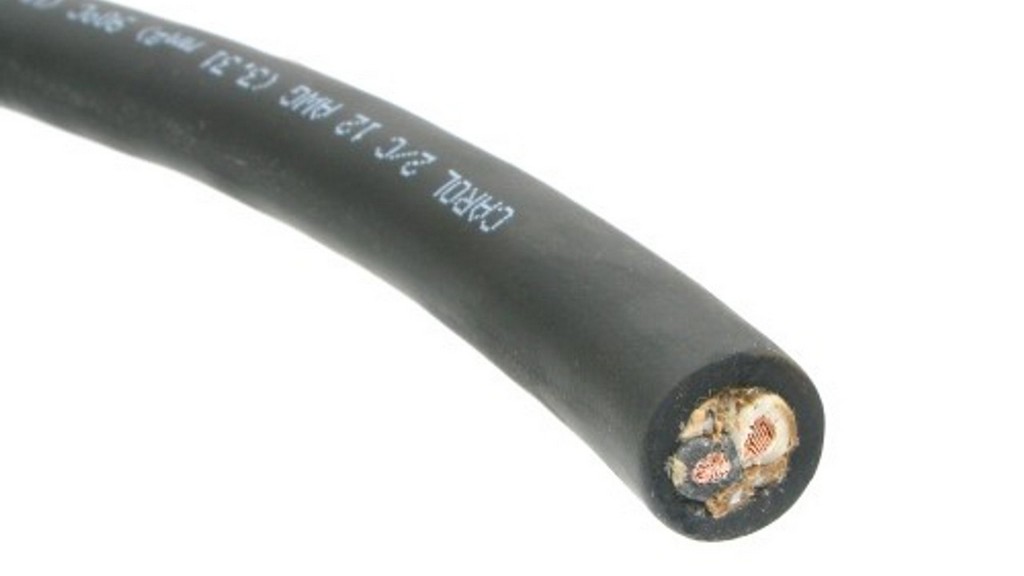
Products covered by this standard include:
The requirements described in the UL 62 standard cover fixing wires, elevator shaft cables, and flexible cables for use in accordance with the national electrical code. An elevator cable containing one or more optical fiber elements is limited to carrying optical energy that is considered non-hazardous to the human body.
These requirements do not cover armoured cables or flexible cables or fixture assemblies containing any type of connecting or wiring device, such as cord sets, power supply cords, and Christmas tree and decorative lighting fixtures, which are covered in separate requirements from this standard. Additionally, these requirements do not cover any type of wire or cable for use at a potential greater than 600 Volts. Likewise, these requirements do not cover the optical or other performance of any optical fibre element or assembly of such elements.
A product that contains new or different features, characteristics, components, materials or systems than those covered by the requirements of this standard and that poses a risk of fire or electric shock or injury to persons shall be evaluated using appropriate additional component and end-product requirements to maintain the level of safety originally anticipated by the intent of this standard. A product whose features, characteristics, components, materials or systems conflict with specific requirements or provisions of this standard does not conform to this standard.
Any material used in a flexible cord, hoistway cable or fixing wire must be compatible with all other materials used in the cord or wire. Because of possible incompatibility, styrene type thermoplastic elastomer materials may not be suitable for use in cords where direct contact with PVC may occur. A separator is an acceptable means of avoiding direct contact.
A grounding conductor shall not be included in any cable, regardless of the size of the circuit conductors or any cable described in this standard, but one or more grounding conductors shall be acceptable in any other cable where the circuit conductors are 18 AWG or larger. A grounding conductor shall not be interrupted.
The flexible cord, hoistway cable or fixing wire shall be of the type specified in the tables in the standard (Table for thermoset insulated luminaire wires and Table for PVC insulated luminaire wires) and shall conform in all respects to the construction and test performance requirements applicable to the particular type.
Each of these tables serves as an index to the construction details and test performance requirements of the types of fixing wire, hoistway cable, or flexible cord discussed in the particular table.
Each vertical column serves as an index of the requirements that apply to the particular wire or cord whose type letters appear at the top of the column. The numbers in parentheses are the numbers of the paragraphs to which reference should always be made in the text of this standard.
The test methods described in the UL 62 standard include:
Among the numerous testing, measurement, analysis and evaluation studies that our organization has carried out for businesses in various sectors, it also provides testing services defined in the "UL 62 Flexible cords and cables" standard with its trained and expert staff and advanced technological equipment.
To get an appointment, to get more detailed information or to request an evaluation, you can ask us to fill in our form and reach you.

