MIL-DTL-83528G Detailed Specification: General Specification for Seal Material - Conductive, Shielding Seal, Electronic, Elastomer, EMI/RFI
The United States Department of Defense standard MIL-DTL-83528G Detailed specification: Gasket material - Conductive, shielding gasket, electronic, elastomer, General requirements for EMI/RFI" describes the general requirements for electrically conductive elastomeric shielding gaskets. These gaskets are designed for use in electromagnetic interference/radio frequency interference suppression applications. Conductive elastomer gaskets are highly electrically conductive, mechanically durable, and conformable vulcanized gaskets that provide low interface resistance between mating electronics enclosure flanges or covers, while also providing moisture, pressure, or environmental sealing.
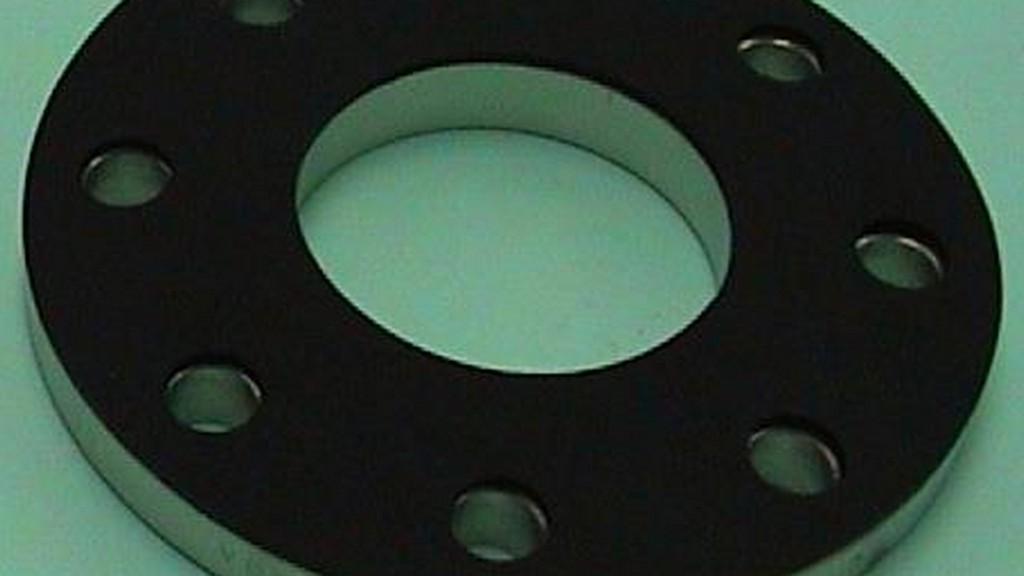
Material types are defined in this standard as follows:
- A: Silver-plated, copper-filled silicon. It has a plane wave shielding effectiveness of 10 dB in the continuous use temperature range of minus 55 degrees to plus 125 degrees at 110 GHz.
- B: Silver-plated, aluminum-filled silicon. It has a plane wave shielding effectiveness of 10 dB in the continuous use temperature range of minus 55 degrees to plus 160 degrees at 100 GHz.
- C: Silver-plated, copper-filled fluorosilicone. It has a plane wave shielding effectiveness of 10 dB over a continuous use temperature range of minus 55 degrees to plus 125 degrees at 110 GHz and is resistant to solvents and jet fuels.
- D: Silver-plated, aluminum-filled fluorosilicone. It has a plane wave shielding effectiveness of 10 dB over a continuous use temperature range of minus 55 degrees to plus 160 degrees at 90 GHz and is resistant to solvents and jet fuels.
- E: Medium hardness, pure silver filled silicon. It has a plane wave shielding effectiveness of 10 dB in the continuous use temperature range of minus 55 degrees to plus 160 degrees at 110 GHz.
- F: Pure silver-filled fluorosilicone. It has a plane wave shielding effectiveness of 10 dB over a continuous use temperature range of minus 65 degrees to plus 160 degrees at 110 GHz and is resistant to solvents and jet fuels.
- G: Silver-plated, copper-filled silicon, reinforced with expanded copper foil. It has a plane wave shielding effectiveness of 10 dB in the continuous use temperature range of minus 45 degrees to plus 125 degrees at 110 GHz.
- H: High hardness, pure silver filled silicon. It has a plane wave shielding effectiveness of 10 dB in the continuous use temperature range of minus 55 degrees to plus 160 degrees at 110 GHz.
- J: Low hardness, pure silver filled silicon. It has a plane wave shielding effectiveness of 10 dB over a continuous use temperature range of minus 55 degrees to plus 160 degrees at 80 GHz.
- K: High hardness, silver-plated, copper-filled silicon. It has a plane wave shielding effectiveness of 10 dB over a continuous use temperature range of minus 45 degrees to plus 125 degrees at 110 GHz.
- L: Silver-plated, nickel-filled silicon. It has a plane wave shielding effectiveness of 10 dB over a continuous use temperature range of minus 55 degrees to plus 125 degrees at 100 GHz.
- M: Glass-filled silicon with silver coating. It has a plane wave shielding effectiveness of 10 dB over a continuous temperature range of minus 55 degrees to plus 160 degrees at 100 GHz.
Seals supplied under this specification must be a product that has been tested and passed the qualification inspection specified herein and is listed or approved for listing on the applicable qualified products list.
Visual inspection should be conducted in accordance with this standard.
The dimensions and tolerances of the samples are controlled by the applicable test procedure specification. The product dimensions and tolerances shall meet the requirements of the applicable product specification controlled by this standard.
Unless otherwise specified, standard test specimens shall meet the specifications specified in the table provided in the standard. These specifications shall be as specified in the applicable specification sheet for the actual product form.
Seals are not marked except that a maximum embossment of 0,01 mm is allowed. Unit packs are marked in accordance with MIL-STD-129 with:
- Military PIN
- Manufacturer's source code
- Material type
- Production curing date code
- Production batch number
- Manufacturer plant code symbol where applicable
Seals should be cleaned and dried by any suitable process or processes that do not damage the product. Preservatives, if used, should be a non-corrosive, non-sulfur hardener in each unit pack to protect the seal.
Recycled, recovered, environmentally preferable or bio-based materials should be used to the maximum extent possible, provided the material meets or exceeds operational and maintenance requirements and promotes economically advantageous life cycle costs.
Pure tin is prohibited both inside and outside as a bottom plate or final coating. The tin content of gaskets and solder shall not exceed 97 percent by mass. Tin shall be alloyed with at least 3 percent lead by mass.
Gaskets shall be machined in a manner that represents uniform and controlled industrial techniques in terms of quality. All surfaces shall be free from burrs, mold marks, crack marks, scratches, dirt, grease, scale, splinters and other defects that may affect the life, serviceability, performance or appearance of the gasket.
Among the numerous testing, measurement, analysis and evaluation studies that our organization has provided for businesses in various sectors, our organization also provides testing services defined in the standard “MIL-DTL-83528G Detailed specifications: Seal material - General specifications for conductive, protective seal, electronic, elastomer, EMI/RFI” with its trained and expert staff and advanced technological equipment.



