

Friction is a resistance to relative motion between surfaces in contact. One of the properties of friction is that it is parallel to the contact surface between surfaces and is always in a direction that opposes the movement or movement of systems relative to each other.
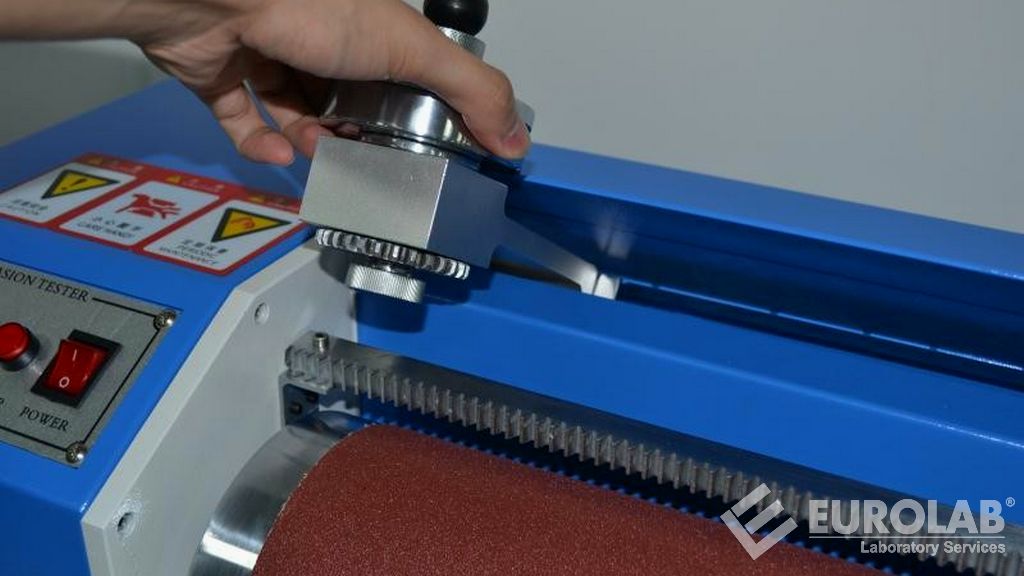
The lower the friction coefficient, the easier it is for two surfaces to slide over each other. Friction causes wear and tear that shortens the life of a material. This is a situation that affects product efficiency and reduces performance, leading to increased replacement and maintenance costs. For example, it is possible for harder surfaces such as steel to cause wear on softer surfaces. Also, where there is a combination of high sliding speeds and high compressive forces, the sliding surfaces are subjected to high levels of stress.
In general, plastics are very good wear materials with a low coefficient of friction, making them ideal for applications where friction is important. In addition, the abrasion resistance of most plastics is high in dry running conditions.
In applications where one part slides over another, such as bearings, wear is often severe. Thermoplastics work well in these applications where low friction is crucial. These thermoplastics offer a number of other benefits besides wear resistance, such as good corrosion resistance, lower weight and lower noise emissions. Parts made from thermoplastics also tend to generate lower friction and heat, increasing part life and ultimately reducing maintenance costs.
Some unfilled plastic materials, such as nylon, have low coefficients of friction and low wear rates when operated against mating metal surfaces. The abrasion performance of these polymers is further improved by incorporating a number of additives into their formulations.
The wear behavior is very application specific. Changes in the mating surface, applied loads, or shear rate greatly affect the wear performance of a plastic part.
In short, friction is the resistance of an object to the motion of an opposite object moving in the opposite direction or being static. Because of this feature of friction, friction materials are used as braking, stopping and reversing devices.
Among the numerous test, measurement, analysis and evaluation studies it provides for businesses in various sectors, our organization also provides material friction resistance testing services with its trained and expert staff and advanced technological equipment.
To get an appointment, to get more detailed information or to request an evaluation, you can ask us to fill in our form and reach you.

