SES N 3109 Steel Bar Materials
Developed by Suzuki Motor Corporation as part of metallic material standards, the “SES N 3109 Steel Bar Materials” standard describes the technical requirements for steel bar materials used in automotive manufacturing. This standard is used specifically to guarantee the quality and performance of round, square, or hexagonal steel bars used in the production of mechanical parts.
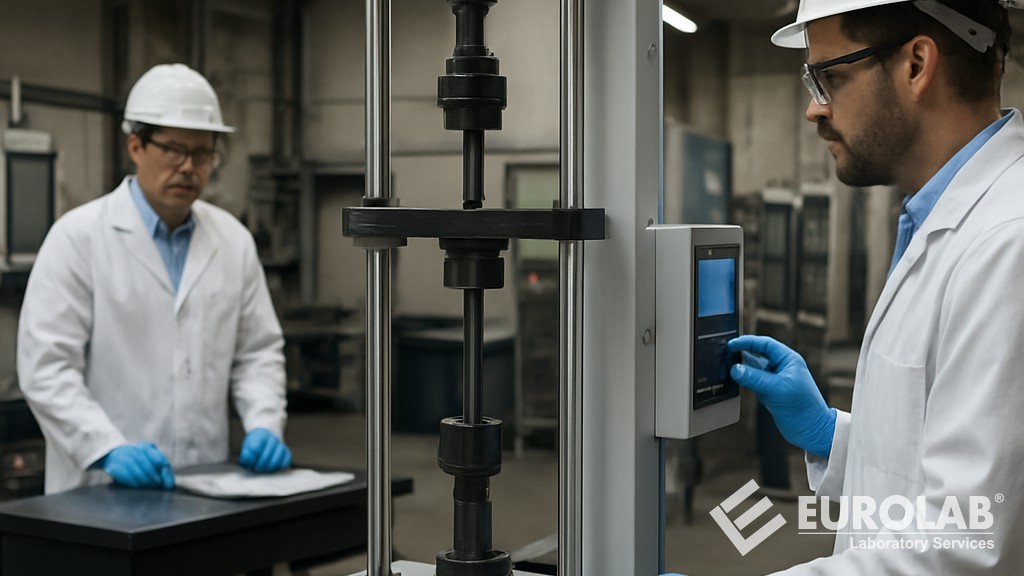
Steel bar materials used in the automotive industry are solid steel products (round, square, hexagonal bars or shafts) used as raw materials in the production of critical mechanical parts. These bars are typically machined, forged, or heat-treated to obtain the final part.
Steel bar materials include the following:
- They are long, solid pieces of steel.
- They are produced by hot rolling, cold drawing, or forging.
- They are supplied in standard diameters and shapes.
They are used as semi-finished materials that are then transformed into high-precision automotive parts.
The types of steel bar materials used in the automotive industry are as follows:
- Carbon steel bars: Primarily composed of iron and carbon. They exhibit good strength and low cost. Applications include bolts and nuts, shafts, and general structural parts.
- Alloy steel bars: Contain elements such as chromium, nickel, and molybdenum. They exhibit higher strength, wear resistance, and fatigue life. Applications: gears, axles, and crankshafts.
- Stainless steel rods: Exhibit high corrosion resistance. Applications: exhaust components and fasteners exposed to moisture.
- Free-cut (free-machining) steel bars: Contain sulfur or lead for improved machinability. Applications: high-volume CNC parts and precision components.
- Heat-treated steel bars: Hardened and tempered for strength. Applications: safety-critical components and suspension and steering parts.
The SES N 3109 standard specifies the following requirements for steel bar materials:
- Chemical composition
- Mechanical properties
- Production methods
- Surface quality
- Test and examination criteria
This standard ensures that the steel bars used throughout Suzuki's supply chain are of the same quality level globally.
This standard generally covers the following types of steel bars:
- Carbon steel bars:
- Medium and low carbon steels
- Shafts, pins, fasteners
- Alloy steel bars:
- Heat-treatable steels
- Parts requiring high strength
- Machinable steels:
- Optimized for machining.
- Used in automotive mass production.
- Stainless steel rods (optional):
- Parts requiring corrosion resistance
The technical requirements are defined as follows:
- Chemical composition:
- Elements such as carbon, manganese, and silicon are restricted.
- In alloy steels, elements such as chromium, nickel, and molybdenum are controlled.
- Mechanical properties:
- Tensile strength
- Yield strength
- Elongation
- Hardness
For example, steel bars used in the automotive industry provide high strength in parts such as shafts, bolts, and pins.
- Production and processing:
- Hot rolling
- Cold pull
- Tattoo
- These processes are critically important for the following reasons:
- Dimensional accuracy
- mechanical strength
- Surface quality
- Surface quality:
- Cracks, oxides, and surface defects are unacceptable.
- Surface continuity is essential for automotive safety.
- Heat treatment:
- Normalization
- Quenching
- Tempering
The aim is to achieve a balance between strength and toughness.
- Tests and examinations:
- Tensile test
- Hardness test
- Chemical analysis
- Ultrasonic test (for internal defects)
Steel bars under SES N 3109 are used in the automotive industry in the following parts:
- Shafts
- Gears
- Bolts and nuts
- Suspension parts
- Engine internal components
These parts require the following:
- High load
- Fatigue strength
- Security
In the automotive industry, the SES N 3109 standard is considered essential for ensuring safety, quality, and production consistency. This standard remains important for the following reasons:
- It ensures the safety of critical components: Steel bars are used in the production of the following parts:
- Shafts
- Gears
- bolts
- Suspension components
These components operate under high load and stress. Without strict material control, the components could suddenly crack or fail, compromising vehicle safety. This standard guarantees minimum strength and reliability.
- It checks material quality: Different suppliers may produce steel with different specifications.
- Chemical composition
- Resistance
- Cleaning
This standard defines:
- Strict chemical limits
- Mechanical properties
- Accept conditions
This ensures consistent material quality regardless of the supplier.
- It stabilizes production processes: Steel bars are used in the following areas:
- Processing
- Tattoo
- Heat treatment
If material properties vary, machining becomes unpredictable and dimensional accuracy is affected. This standard ensures uniform machinability and machining behavior.
- Testing and verification required: This standard mandates the following:
- Tensile test
- Hardness test
- Chemical analysis
- Internal defect audit
This prevents faulty materials from entering production and eliminates the risk of premature failure.
- It increases fatigue life and durability: Automotive parts are subjected to repeated load cycles. Without a standard,
- Microcracks can enlarge.
- Early fatigue failure occurs.
This standard enables the production of long-lasting parts and achieves higher fatigue resistance.
- It ensures consistency in the global supply chain: Automotive companies source materials worldwide. Without a common standard, regional quality differences and integration problems in production arise. This standard ensures the same quality level globally.
- It reduces cost and warranty risks: Poor material quality can lead to:
- Part failures
- Warranty claims
- Product recalls
Standardization minimizes risks and reduces overall costs.
In short, the SES N 3109 standard is necessary because it guarantees that steel bars used in automotive parts meet the following requirements:
- It provides security.
- It stabilizes material quality.
- Reduces production errors.
- It extends the lifespan of the part.
- It ensures global compatibility.
In short, without this standard, reliable and mass production in the automotive industry is impossible.
For many years, our organization, with its competent and experienced team, has been understanding the needs of its clients, providing the advanced testing services they require, and assisting them in the establishment, implementation, and improvement of management systems. Within this framework, we also provide testing services compliant with the SES N 3109 standard.



