
SES N 3293 Lightfastness of Interior Materials

SES N 3293 Lightfastness of Interior Materials

Developed by Suzuki Motor Corporation, the “SES N 3293 Lightfastness of Interior Materials” standard describes a test method for evaluating the color fastness of interior trim materials to light in the automotive industry. This standard is particularly used for seat fabrics, plastic parts, coatings, and upholstery.
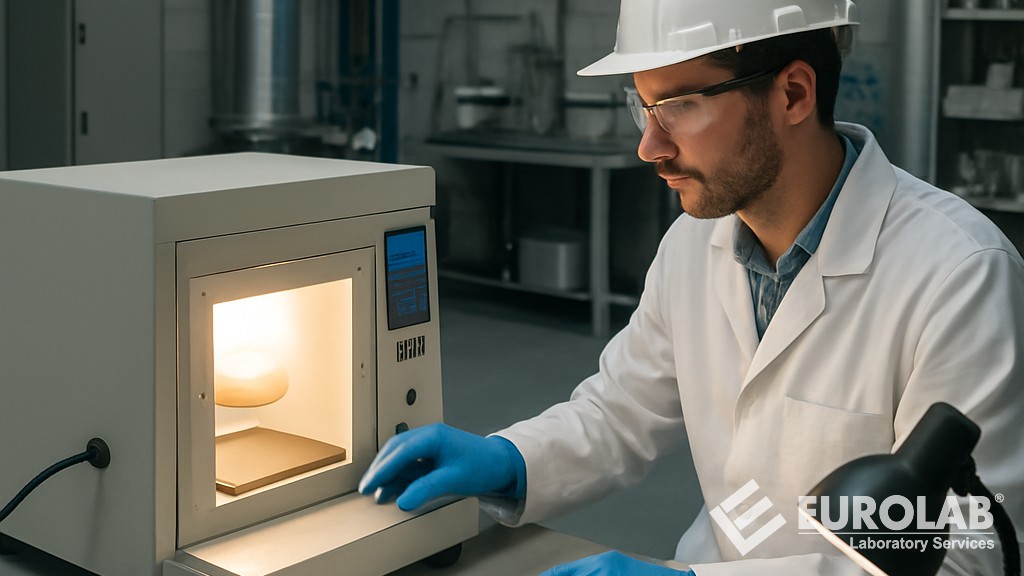
SES N 3293 Lightfastness of Interior Materials

Lightfastness is a material's resistance to fading under sunlight or artificial light. UV rays cause color changes by disrupting the chemical structure of pigments.

The SES N 3293 standard is applied to evaluate the following characteristics of vehicle interior materials:

  • Resistance to color fading
  • Performance under prolonged sunlight exposure
  • Aesthetics and quality continuity

The SES N 3293 standard test method generally follows these steps:

  • Sample preparation: Real production parts or test plates are used. Color, texture, and surface characteristics are preserved.
  • Light exposure: Samples are exposed to a xenon arc lamp or simulated sunlight in a controlled environment. UV, temperature, and humidity conditions are controlled.
  • Evaluation: After testing, the sample is compared with the reference and the color change is measured using the gray scale (1-5) or the blue wool scale (1-8). In addition, the color difference value is determined using a spectrophotometer.
  • Interpretation of the results:
  • High lightfastness (e.g., 6-8 BW): Long-term color stability.
  • Low light fastness (e.g., 1-3 BW): Risk of rapid fading.

Light colors and organic dyes are particularly sensitive.

The effects of lightfastness of interior materials on the automotive industry are as follows:

  • Customer satisfaction: Seats or trim that fade in the sun reduce the perception of a vehicle's quality.
  • Brand image: Premium brands demand long-term color stability.
  • Durability and warranty: Color variations may lead to warranty claims.
  • Material selection: UV-stable additives, more durable pigments, and coating technologies are used.

The SES N 3293 standard is important because it directly protects the visual quality, durability, and brand value of a vehicle's interior over time. This standard is considered important for the following reasons:

  • Prevents color fading caused by sunlight: Vehicle interiors are constantly exposed to UV radiation through windows. Without proper lightfastness,
  • Fabrics fade unevenly.
  • Plastics change color or turn yellow.
  • Flooring materials lose their original appearance.

This standard ensures that materials are resistant to UV-induced degradation (related to the effects of ultraviolet radiation).

  • It preserves aesthetic quality: Interior appearance is a key factor in customer satisfaction.
  • A faded dashboard or upholstery fabric looks old and worn.
  • Color discrepancies between parts reduce perceived quality.

This standard helps ensure that all interior components age consistently and retain their original appearance.

  • It protects the brand image: Car manufacturers, especially premium brands, rely on long-lasting interiors.
  • Premature fading creates a perception of low quality.
  • Customers may associate fading with low durability.

This standard helps manufacturers deliver premium, long-lasting interiors.

  • It reduces warranty claims and costs: Poor lightfastness can lead to:
  • Customer complaints
  • Interior part replacements under warranty.
  • Rising service costs

This standard minimizes aftermarket risks and costs by verifying materials at an early stage.

  • It guides material selection and R&D: This standard helps engineers choose the following:
  • UV-resistant pigments
  • Stabilizers and coatings
  • High-performance textiles and polymers

This standard fosters innovation in materials science and improves long-term performance.

  • Ensures performance in diverse climates: Vehicles are used globally:
  • Hot regions lead to high UV exposure.
  • Desert climates create excessive sunlight.

This standard ensures that materials perform reliably under a variety of environmental conditions.

  • It establishes consistent supplier quality: Automotive manufacturing involves many suppliers. This standard,
  • It sets a single standard.
  • Ensures all materials meet the same durability criteria.
  • It prevents variability between parties or suppliers.

In conclusion, the SES N 3293 standard is a critical testing standard for preventing color fading and ensuring long-lasting aesthetics in automotive interior materials, and is important because it guarantees that automotive interior materials will meet these requirements. Through this testing, manufacturers can select materials that will maintain the original appearance of vehicles for years to come.

For many years, our organization, with its competent and experienced team, has been understanding the needs of its clients, providing the advanced testing services they require, and assisting them in the establishment, implementation, and improvement of management systems. Within this framework, we also provide testing services compliant with the SES N 3293 standard.

WhatsApp

