

Developed by Suzuki Motor Corporation as part of its plastics and polymer material standards, the “SES N 3210 Plastic Additives Specification” standard is an internal material standard specific to the automotive industry that defines the requirements, classification, and verification of additives used in plastic materials.
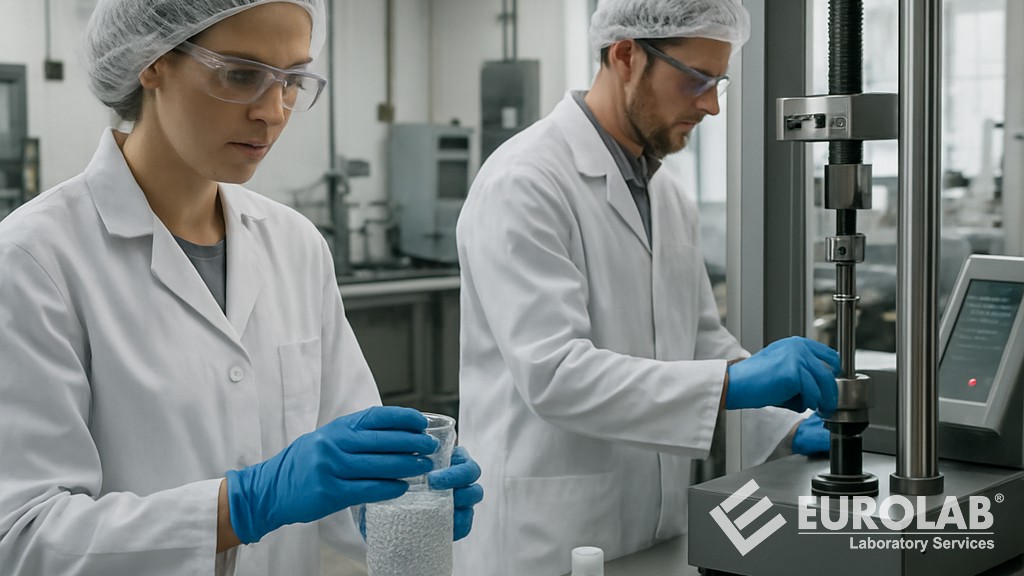
Modern vehicles rely heavily on polymer materials due to their lightness, durability, and design flexibility. However, basic polymers alone rarely meet the demanding requirements of automotive applications. To achieve the desired performance, plastic additives are included during the composition process.
The SES N 3210 standard describes the selection, performance requirements, and test methods for these additives to ensure consistent quality and long-term reliability in automotive components.
Plastic additives are substances added in small amounts to polymers to modify or improve their properties. In the automotive industry, they play a very important role in:
Without additives, many plastic components will fail prematurely under heat, sunlight, mechanical stress, and chemical exposure.
The types of plastic additives used in automotive applications are as follows:
The SES N 3210 standard defines the following:
A critical aspect of the SES N 3210 standard is ensuring the following:
Poor compatibility can lead to surface defects, reduced strength, or premature failure.
To ensure compatibility, additives and compound materials undergo rigorous testing:
These tests ensure that the materials will perform reliably throughout the vehicle's lifespan.
The SES N 3210 standard complies with the following international regulations:
In addition, there is increasing focus on the following topics:
Plastic additives are used in a variety of vehicle systems:
In short, the purpose of the SES N 3210 standard is to define the technical requirements for additives used in polymer materials for automotive applications. These additives are used to improve the processing, durability, safety, and appearance of plastic parts.
This standard provides:
This standard applies to all types of additives used in thermoplastics and engineering plastics. These include:
The SES N 3210 standard is critically important in the automotive industry because...
In conclusion, the SES N 3210 standard is a plastics additive materials control standard that ensures all additives used in automotive polymers meet stringent requirements for performance, safety, durability, and environmental compatibility. This standard ensures consistent material quality among suppliers, enhances vehicle safety and durability, reduces manufacturing defects, supports regulatory compliance, and enables lightweight and high-performance design.
Plastic additives are indispensable in modern automotive engineering. The SES N 3210 standard ensures these materials meet stringent requirements for performance, safety, environmental compatibility, and long-term reliability. As the industry evolves towards electric vehicles and sustainable materials, the role of advanced additive technologies and stricter specifications continues to grow.
For many years, our organization, with its competent and experienced team, has been understanding the needs of its clients, providing the advanced testing services they require, and assisting them in the establishment, implementation, and improvement of management systems. Within this framework, we also provide testing services compliant with the SES N 3210 standard.
To get an appointment, to get more detailed information or to request an evaluation, you can ask us to fill in our form and reach you.

