

The test methods described in the “ASTM C110-11 Standard test methods for physical testing of quicklime, slaked lime and limestone” developed by the American Society for Testing and Materials (ASTM) cover physical testing of quicklime, slaked lime and limestone not otherwise covered in ASTM standards. .
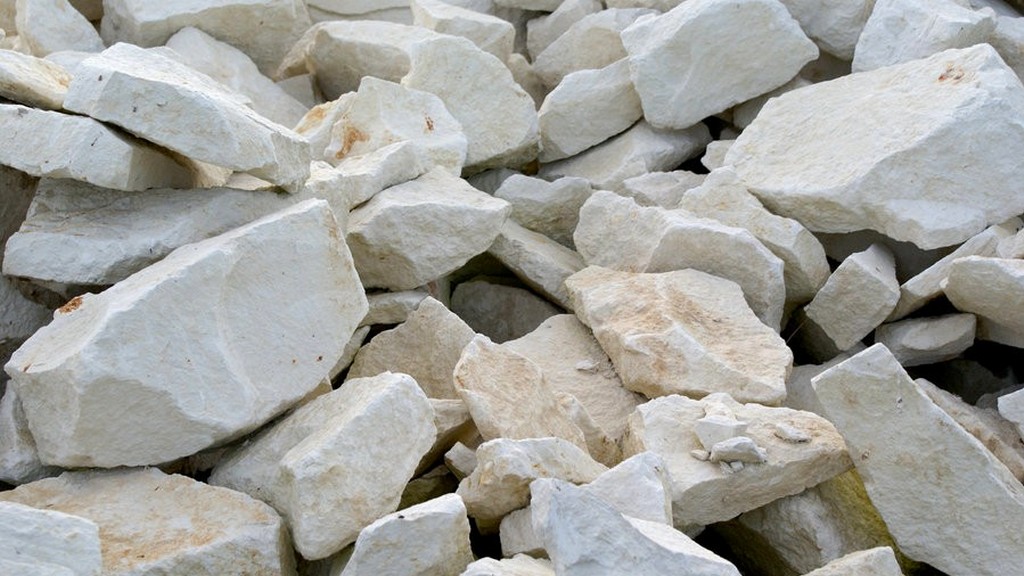
Quicklime and slaked lime have a high affinity for moisture and carbon dioxide. Care should be taken to preserve both hydrated and quicklime during sampling, storage and testing.
Testing procedures appear in this order:
These test methods include physical testing of quicklime, slaked lime and limestone. Namely,
The main difference between quicklime and slaked lime is that quicklime or burnt lime contains calcium oxide whereas slaked lime contains calcium hydroxide. The main source of both quicklime and slaked lime is limestone. Therefore, like limestone, these compounds are also alkaline. Quicklime is called burnt lime because it is obtained by thermal decomposition of limestone. It is called slaked lime because it is produced by slaking quicklime with water.
Quicklime is calcium oxide. Limestone contains calcium carbonate. This material is burned above 825 degrees. Meanwhile, carbon dioxide, which forms quicklime, is released. Slaked lime is calcium hydroxide. The reason it is called slaked lime is that calcium oxide is quenched with water to produce calcium hydroxide.
Limestone is a sedimentary rock composed primarily of calcium carbonate or double carbonate of calcium and magnesium. It usually consists of small fossils, shell fragments and other fossilized remains.
Among the numerous testing, measurement, analysis and evaluation studies it provides for businesses in various sectors, our organization, with its trained and expert staff and advanced technological equipment, complies with the "ASTM C110-11 Standard test methods for the physical testing of quicklime, slaked lime and limestone" standard. It also provides defined testing services.
To get an appointment, to get more detailed information or to request an evaluation, you can ask us to fill in our form and reach you.

