

The standard "ISO 14630 Non-active surgical implants - General requirements" developed by the International Organization for Standardization (ISO) describes the general requirements for non-active surgical implants. This international standard does not apply to dental implants, dental restorative materials, transendodontic and transradicular implants, intraocular lenses and implants using living animal tissue.
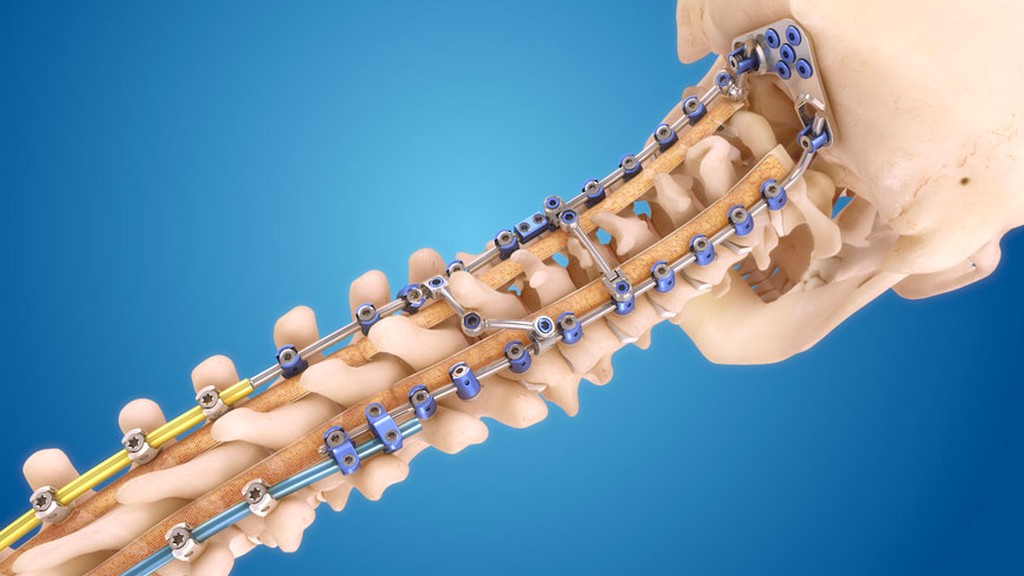
From a safety perspective, this standard includes requirements for intended performance, design attributes, materials, design evaluation, manufacturing, sterilization, packaging, and information provided by the manufacturer and tests to demonstrate compliance with these requirements.
There are three levels of standards for non-active surgical implants and associated instrumentation. For the implants themselves, level 1 is the highest, as follows:
Additional testing for non-active surgical implants is included in the Level 2 and Level 3 standards. This international standard does not require the manufacturer to have a quality management system. However, implementation of a quality management system such as that described in the “ISO 13485 Quality management system for medical devices” standard is appropriate to help ensure that the implant achieves its intended performance.
For the purposes of this standard, the following terms and definitions apply:
The intended performance of an implant should be described and documented, particularly with respect to safety, with reference to:
Implant materials should be selected based on the properties required for the intended purpose, and the effects of manufacture, handling, sterilization and storage, and any treatments (chemical, electrochemical, thermal, mechanical, and the like) applied to the surface or part of the surface of the implant material to alter its properties should be taken into account. Possible reactions of implant materials with human tissues and body fluids, other materials, other implants, substances and gases should be considered. The possible effects of radiation and magnetic and electromagnetic fields on the material should also be considered.
Among the numerous testing, measurement, analysis and evaluation studies that our organization has carried out for businesses in various sectors, it also provides testing services defined in the “ISO 14630 Inactive surgical implants - General requirements” standard with its trained and expert staff and advanced technological equipment.
To get an appointment, to get more detailed information or to request an evaluation, you can ask us to fill in our form and reach you.

