

Developed within the framework of an international standards program called International Semiconductor Equipment and Materials (SEMI), the SEMI F73 standard defines a uniform test method for testing wet surfaces of stainless steel components intended for assembly in high purity gas distribution systems. This test method characterizes the occurrence, frequency and, in some cases, identity of microscopic surface defects and contaminants seen on wet surfaces.
There is a direct correlation between the results of this test method and the contamination of process gases or product yields in processes served by high purity gas distribution systems. The application of this test method is intended to yield comparable and reproducible results among various users of this method for the purpose of qualification of components.
The purpose of the test method described in this standard is to define a general set of instrumental parameters and conditions that will yield precise and repeatable measurements of important parameters of surface condition.
This test method is applicable to wet surfaces on stainless steel pipe, fittings, valves and other components to determine the effectiveness of surface finishing and cleaning treatments. This method is applied to identify surface defects including pits, inclusions, scratches, residual process marks, grain boundaries and contamination on wetted surfaces. However, any surface damage incurred during sample preparation should be excluded from this assessment.
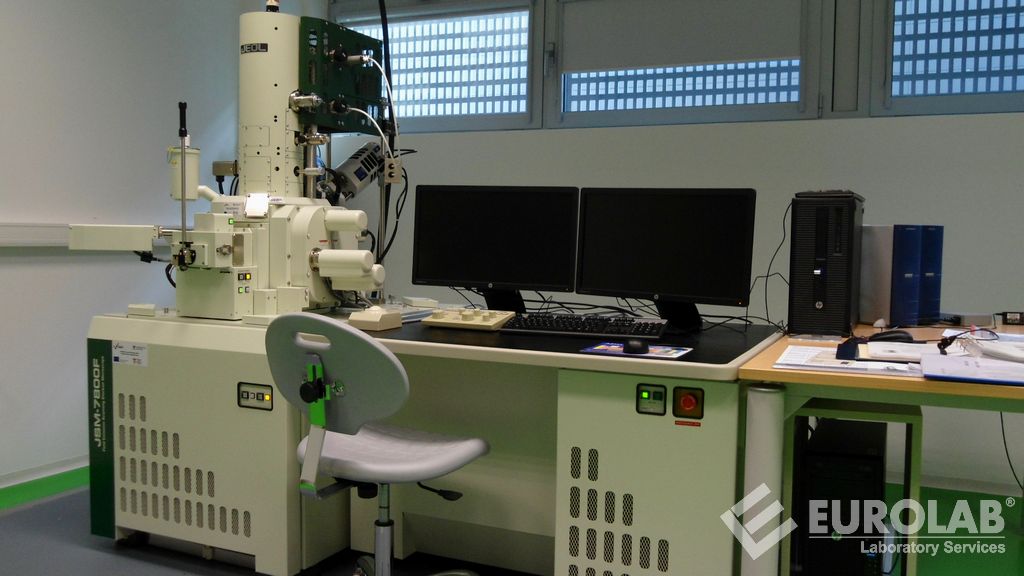
A scanning electron microscope (SEM) is an electron microscope that uses a focused beam of electrons to scan and image the sample surface. Electrons interact with atoms in the sample and produce different signals containing information about the composition on the sample surface. Standard scanning devices are suitable for inspecting dry and conductive surfaces in high vacuum. However, there are also scanning devices that operate in low vacuum, humid conditions and conditions ranging from very low to high temperatures.
Among the numerous tests, measurements, analyses, and evaluations our organization provides for businesses in various sectors, we also offer testing services for the evaluation of the wet surface condition of stainless steel components using scanning electron microscopy (SEM) within the scope of the SEMI F73 standard, thanks to our trained and expert staff and advanced technological equipment.
To get an appointment, to get more detailed information or to request an evaluation, you can ask us to fill in our form and reach you.

