

The standard “PI-55 Knee condyle fatigue test” developed by PI Medical Implants describes a test method to determine the fatigue behavior of the knee condyle, one of the femoral components of the knee, under closure conditions. This test method simulates a clinically severe condition in which all bone support is lost and a single condyle supports the entire load at 90 degrees of tibiofemoral flexion.
The femur (thigh bone) is the largest and strongest bone in the body. It is the weight-bearing bone of the thigh. It provides attachment for most of the muscles in the knee. The two femoral condyles form the rounded end of the femur. The smooth articular surface allows the femur to move easily over the tibial meniscus. The condyle primarily carries the load of the force exerted by a muscle on a joint. Examples include the knee, a hinge joint that connects the lateral and medial femoral condyles to the lateral and medial tibial condyles.
The tibia is the stronger and larger of the two leg bones. It contributes significantly to weight bearing and serves as an attachment point for the thigh, leg, and foot muscles. The proximal end of the tibia contains the medial and lateral condyles, which fuse with the femoral condyle to form the knee joint.
There are scant reports in the literature today of fatigue failure of the femoral component of total knee arthroplasty (THA). While there are some instances where an implant may be inherent or a manufacturing defect, most incidents are due to poor surgical technique, resulting in incomplete osseous union. As with most implants in orthopedics, the THA components are intended to rest on a stable base, whether cement, bone, or an augment. Failure to do so will result in uneven loading of the implant and result in fatigue failure.
Stress fracture of the femoral component is a rare complication following total knee arthroplasty. The fracture may affect the medial condyle of the femoral component and create a large lesion of the underlying femoral condyle. According to available data in the literature, stress fractures of the femoral component appear to predominantly affect the medial condyle following cementless implantation of fixed-bearing and mobile-bearing knees. Different mechanisms may be involved: specific design features of the implant, failure of bone ingrowth in uncemented components, and bone loss due to particle wear debris.
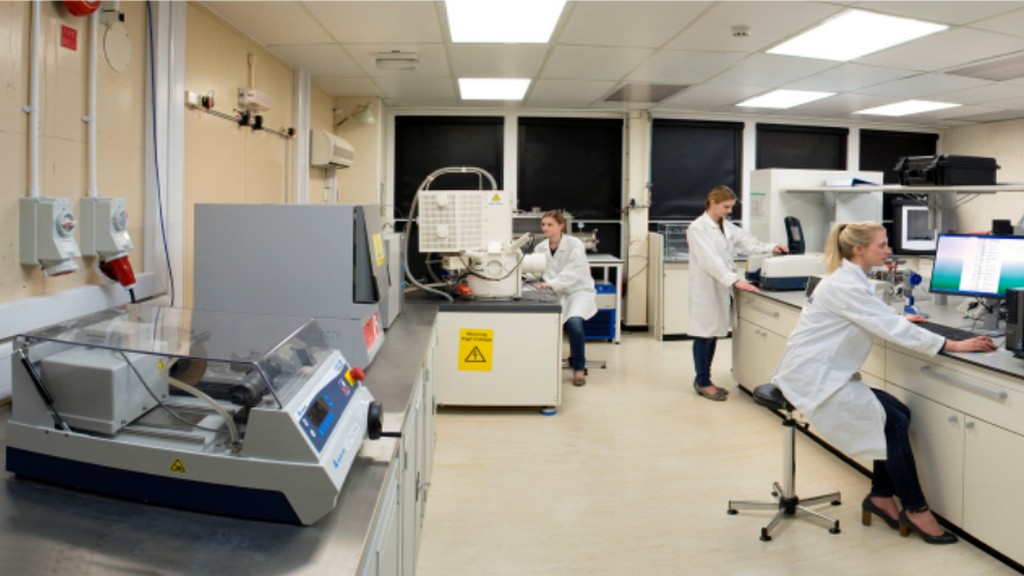
Among the numerous tests, measurements, analyses and evaluation studies carried out for businesses in various sectors, our organization also provides testing services defined in the “PI-55 Knee condyle fatigue test” standard with its trained and expert staff and advanced technological equipment.
To get an appointment, to get more detailed information or to request an evaluation, you can ask us to fill in our form and reach you.

