

All equipment and pipelines that come into contact with ozone must be made of an ozone-resistant material that can withstand the penetrating and oxidizing activity of ozone. Ozone can cause materials to crack, become brittle, lose strength, and suffer other forms of deterioration.
Materials that are not suitable for use in contact with ozone are: natural rubber, polybutadiene rubber, polyurethane foam, PVC (polyvinyl chloride) and polystyrene foam.
Ozone resistance refers to a material's ability to resist the effects of exposure to ozone, a highly reactive form of oxygen. Ozone-resistant materials can withstand exposure to ozone without degrading or breaking down, making them more durable and long-lasting.
For example, Teflon (polytetrafluoroethylene or PTFE) is resistant to ozone. Teflon is known for its excellent resistance to ozone and other environmental factors such as heat, moisture, and chemicals. Plastic materials, on the other hand, are not resistant to ozone. Ozone can break down plastic materials over time. Plastic materials can lose strength and other mechanical properties even at very low ozone levels. Additives can increase the ozone resistance of some plastics. Elastomers and rubbers are particularly susceptible to ozone damage. Stainless steel is generally considered a highly ozone-resistant material, but under certain conditions, especially high-chromium and nickel steels, it can react with ozone to cause pitting and corrosion.
Ozone can be corrosive. When ozone reacts with the surface of a material, it produces oxidizing agents that attack the surface and cause corrosion. Because ozone can accelerate the corrosion process, it can also cause corrosion in materials that are already worn or deteriorated.
The following types of pipes are resistant to ozone:
The degree to which seals are affected by ozone exposure depends on several factors, including ozone concentrations, temperature, humidity, and duration of exposure. Seals made of more ozone-resistant materials are less likely to be damaged than those made of natural rubber or other less ozone-resistant materials.
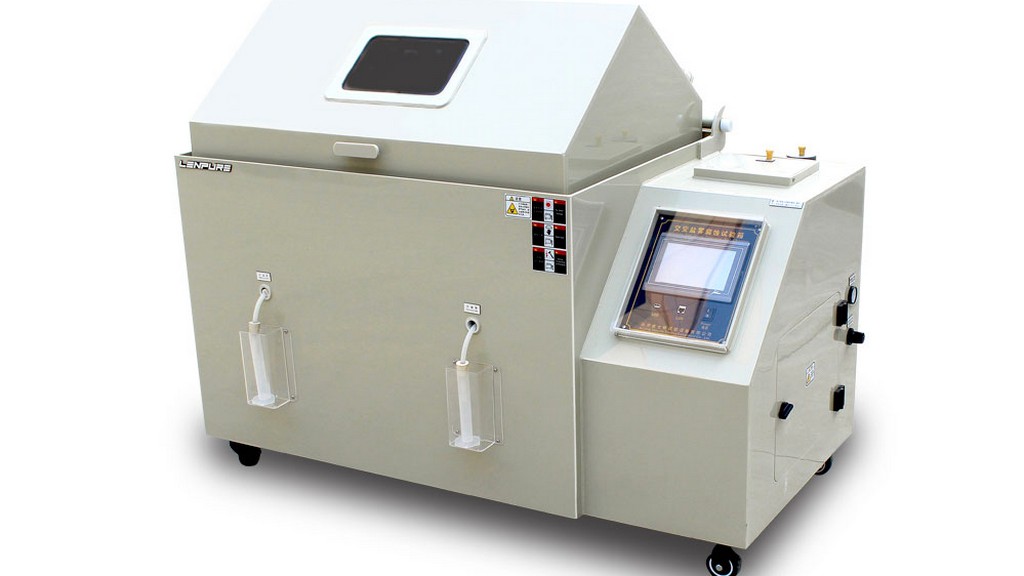
The internationally accepted test methods used to scientifically measure ozone resistance are based on a European standard, “EN/ISO 1431 Rubber, vulcanized or thermoplastic - Resistance to ozone cracking”, published by the International Organization for Standardization (ISO). The test methods described involve placing rubber belt samples under tension (e.g. 20 percent elongation) in an ozone test chamber and exposing the samples to highly concentrated levels of ozone for a specified period of time (e.g. up to 96 hours).
This standard consists of the following sections under the same title:
Among the numerous tests, measurements, analyses and evaluation studies carried out for businesses in various sectors, our organization also provides ozone corrosion testing services with its trained and expert staff and advanced technological equipment.
To get an appointment, to get more detailed information or to request an evaluation, you can ask us to fill in our form and reach you.

