

The standard “ASTM F3334-19 Standard practice for finite element analysis (FEA) of metallic orthopedic total knee tibial components” developed by the American Society for Testing and Materials (ASTM) describes the requirements and considerations for numerical simulation of metallic orthopedic total knee tibial components using finite element analysis (FEA) techniques for estimating stresses and strains. This practice is valid only for stresses below the yield strength as stated in the material certificate.
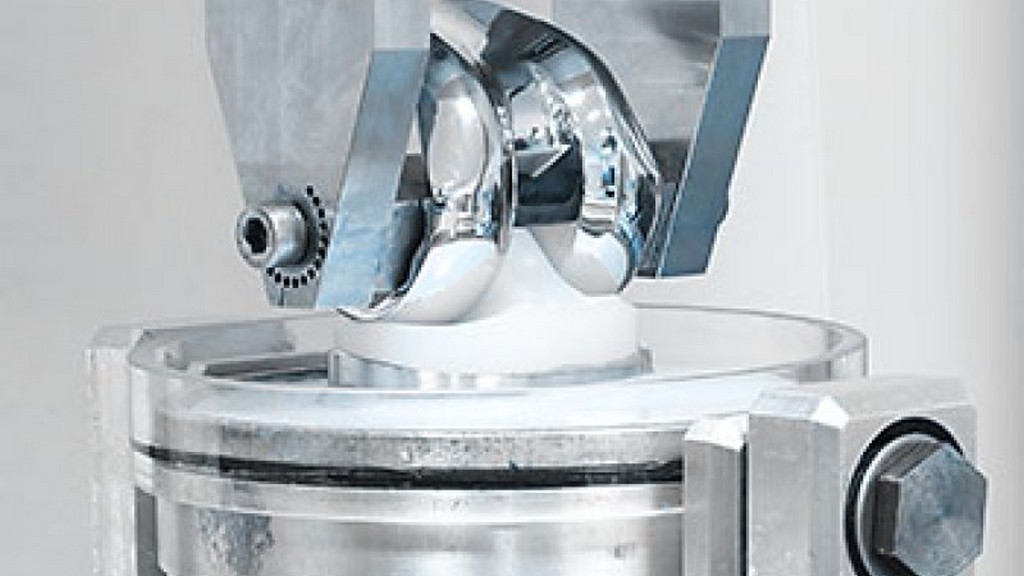
This application includes requirements for the development of finite element models used in the evaluation of metallic orthopedic total knee tibial component designs for the purpose of estimating static implant stresses and strains. This procedure is used for worst case evaluation of the same implant design in a series of different implant sizes to reduce the physical test load. This standard provides recommended procedures for performing model checks and verification as an aid to determining whether the analysis follows recommended guidelines. Finally, the recommended content of an engineering report covering mechanical simulation is presented.
In terms of limitations, this application is limited to static structural analysis of metallic orthopedic total knee tibial components (excludes estimation of fatigue strength).
This standard applies to the calculation of stresses seen in a knee tibial component when loaded as described herein. This application can be used to determine the worst-case size for a particular implant. When the stresses calculated using this finite element analysis method were compared to the stresses measured at two locations on the tibial tray using physical strain gage techniques performed in a laboratory, the observed difference was minus 6,8 percent at one location (strain gauges reporting higher stress) and 3,1 percent at the other location (finite element analysis method reporting higher stress). This difference should be taken into account when determining the worst-case size(s) for the same implant design.
In vivo loading of tibial tray designs generally differs from the loading described in this exercise. However, this exercise is designed to allow comparisons between the fatigue performance of different metallic tibial component designs when tested under similar conditions.
Finite element models are based on a geometric representation of the device under consideration. The source of geometric details may be obtained from drawings, solid models, preliminary drawings, or any source suitable for defining the model geometry. In creating the finite element model, certain geometric details may be removed from the orthopedic implant geometry shown in the computer-aided design (CAD) model if they are determined to be irrelevant to the intended analysis. Engineering judgment should be used and justified to determine the extent of geometric simplification.
It is best to consider the worst-case stress condition for the simulated orthopedic implant. The worst-case condition should be determined from all relevant engineering considerations, such as tibial component geometry and dimensions. If finite element analysis is used to determine the worst-case condition, the worst-case dimension may not be known. It may be necessary to run several dimensions to determine the worst-case condition. If the finite element analysis (FEA) results do not definitively determine the worst-case configuration, a rationale (e.g., additional analysis or physical testing) should be included to justify the worst-case dimension.
The material properties required as inputs to a linear elastic finite element analysis model for strain and displacement calculation are the modulus of elasticity and the Poisson's ratio. These values can be obtained from material certification data.
Among the numerous testing, measurement, analysis and evaluation studies that our organization has provided for businesses in various sectors, it also provides testing services defined in the “ASTM F3334-19 Standard practice for finite element analysis (FEA) of metallic orthopedic total knee tibial components” standard with its trained and expert staff and advanced technological equipment.
To get an appointment, to get more detailed information or to request an evaluation, you can ask us to fill in our form and reach you.

