
SES N 3139 Aluminum Structural Plate

SES N 3139 Aluminum Structural Plate

Developed by Suzuki Motor Corporation as part of aluminum material standards, the “SES N 3139 Aluminum Structural Plate” standard is a material standard for aluminum structural plates used in automotive and engineering applications. This standard specifically covers flat or formed aluminum plates used for load-bearing, rigidity-providing, and fastening purposes.
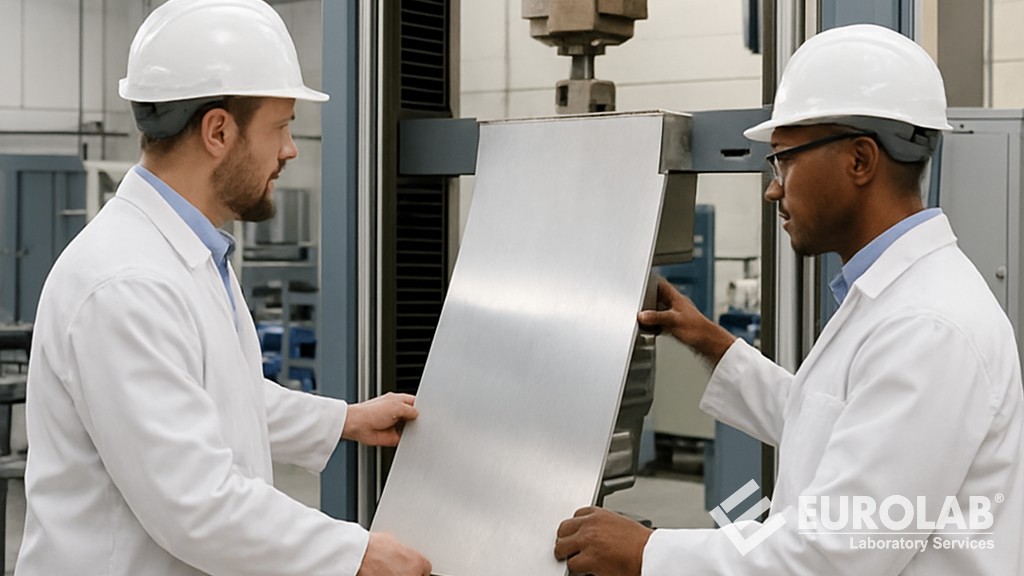
SES N 3139 Aluminum Structural Plate

The automotive industry is undergoing a major transformation driven by the need for lighter, safer, and more energy-efficient vehicles. One of the key materials enabling this evolution is aluminum structural sheets. These sheets are flat, high-strength aluminum products used in load-bearing and reinforcement applications throughout a vehicle. Their unique combination of low weight, high strength, and corrosion resistance makes them indispensable in modern vehicle design, especially in electric and hybrid vehicles.

Aluminum structural plate is a thick, flat-rolled aluminum product designed to carry mechanical loads or reinforce structural components. Unlike thin sheets, plates are generally thicker and used where rigidity and strength are required.

They are generally produced from the following series of aluminum alloys:

  • 2xxx series (aluminum-copper alloys): High strength
  • 5xxx leather (aluminum-magnesium alloys): Excellent corrosion resistance.
  • 6xxx series (aluminum-magnesium-silicon alloys): Balanced strength and formability.

Applications of aluminum structural plate in automotive engineering include:

  • Body structure and chassis: Aluminum plates are commonly used in the following areas:
  • Base panels and sub-body structures
  • Chassis reinforcements
  • Collision management systems

These components require the high rigidity and energy absorption that aluminum plates provide without significantly increasing vehicle weight.

  • Electric vehicle battery housings: One of the fastest growing applications is seen in electric vehicles:
  • Battery housing structures
  • Protective underplates
  • Thermal management interfaces

Aluminum structural plates offer the following:

  • Impact resistance to protect battery cells.
  • Thermal conductivity for heat dissipation.
  • Lightweight design to extend driving range.
  • Reinforcement and mounting components: Structural plates are also used for:
  • Suspension mounting points
  • Motor and motor brackets
  • Local reinforcements in high-voltage areas.

These applications require precision, fatigue resistance, and dimensional stability.

The aluminum structural plate manufacturing processes are as follows:

  • Rolling and heat treatment: Aluminum plates are produced by hot and cold rolling followed by heat treatment to achieve the desired mechanical properties (e.g., T6 temper).
  • Processing and shaping:
  • CNC machining for precision parts.
  • Bending and shaping for complex geometries.
  • Joining techniques:
  • Welding (MIG/TIG)
  • Riveting and bolting
  • Bonding with adhesive (common in mixed-material structures)

The advantages of aluminum structural panels are as follows:

  • Lightweight performance: Aluminum is approximately one-third the density of steel, significantly reducing vehicle weight and improving:
  • Fuel efficiency
  • Electric vehicle driving range
  • High strength-to-weight ratio: Advanced alloys provide excellent mechanical strength while maintaining low mass.
  • Corrosion resistance: Natural oxide layers protect aluminum from environmental degradation, making it ideal for:
  • Underbody applications
  • Harsh climates
  • Recyclability: Aluminum is 100% recyclable without losing its properties, supporting sustainable production.

The role of aluminum structural panels is expanding to include the following:

  • Electric vehicle growth: More battery options
  • Weight reduction strategies: Replacing steel components.
  • Advanced alloys: Improved strength and fatigue life.
  • Hybrid structures: Combining aluminum with composites.

Consequently, aluminum structural panels have become a cornerstone of modern automotive engineering. Their ability to deliver strength, durability, and lightweight performance makes them indispensable in both conventional and electric vehicles. As the industry continues to innovate, aluminum panels are playing an even greater role in shaping the next generation of efficient and sustainable mobility solutions.

Standards such as SES N 3139 ensure that aluminum structural panels meet stringent requirements in the following areas:

  • mechanical strength
  • Chemical composition
  • Dimensional tolerances
  • Surface quality

These standards are critical for:

  • Security and reliability
  • Consistency among suppliers
  • Efficient mass production
  • Future Trends

Aluminum structural sheet according to SES N 3139 standard.

  • They are flat or shaped metal sheets.
  • Its thickness is small relative to its length and width.
  • It is usually located between two structures or is surface mounted.

The main purpose of this standard is as follows:

  • To increase strength
  • Putting the pieces together
  • To provide structural support.

These types of plates are widely used as load-bearing elements in the aerospace and automotive industries.

Aluminum plates covered under the SES N 3139 standard are generally,

  • They are high-strength alloys.
  • It has a low density (lightweight) and offers a significant advantage over steel.
  • It has good corrosion resistance.
  • It has good machinability and formability properties.
  • Suitable for welding and riveting processes.

The key advantages of aluminum structural panels are as follows:

  • Very lightweight (approximately 1/50 the weight of concrete)
  • High strength-to-weight ratio.
  • Easy assembly (bolts, rivets, welding)
  • Long lifespan and low maintenance.
  • Corrosion resistance (especially in outdoor environments)

The SES N 3139 standard generally defines the following criteria:

  • Chemical composition limits
  • Mechanical properties (tensile, yield strength)
  • Tolerances (thickness, flatness)
  • Surface quality
  • Heat treatment conditions
  • Test methods (such as tensile test, hardness test)

This standard is important for the following reasons:

  • Safety: Ensures that structural components do not break under load.
  • Consistency: Guarantees the same quality across all suppliers.
  • Compatibility: Ensures that the parts are suitable for the assembly and production processes.
  • Performance: Maintaining durability while reducing vehicle weight.

In conclusion, the SES N 3139 standard is a critical standard that defines the quality, strength, and manufacturing criteria for aluminum structural panels used in automotive and engineering applications. It is indispensable, especially in modern vehicle designs requiring lightness and high strength.

For many years, our organization, with its competent and experienced team, has been understanding the needs of its clients, providing the advanced testing services they require, and assisting them in the establishment, implementation, and improvement of management systems. Within this framework, we also provide testing services compliant with the SES N 3139 standard.

WhatsApp

