SES N 3235 Silicone Rubber Materials
Developed by Suzuki Motor Corporation as part of its rubber and elastomer material standards, the “SES N 3235 Silicone Rubber Materials” standard is a material standard that defines the technical requirements for silicone-based elastomers used in the automotive industry. This standard was specifically designed for applications requiring high temperature resistance, environmental resistance, and long service life.
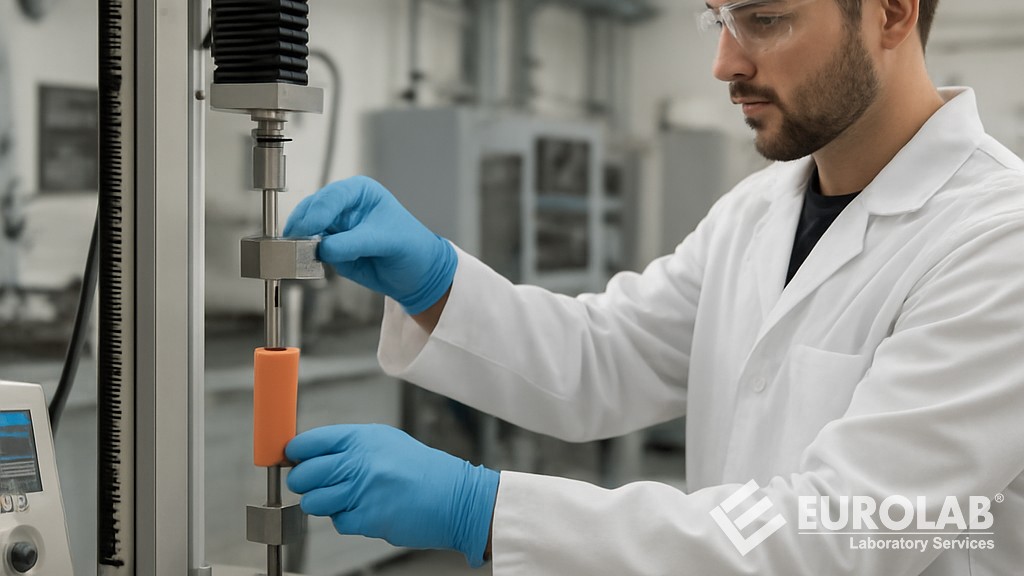
The use of silicone rubber materials in the automotive industry relates to leveraging their extreme temperature resistance, flexibility, and durability properties in situations where other elastomers are insufficient.
The use of silicone rubber materials in the automotive industry is as follows:
- High-temperature sealing applications: Silicone rubber is commonly used where heat is a significant factor. Typical applications include:
- Engine gaskets and seals
- Valve cover seals
- Turbocharger and exhaust seals
Silicone is preferred for the following reasons:
- It operates reliably between -60 degrees and +200 degrees.
- It retains its flexibility without cracking or hardening.
Silicone is used when thermal stability is higher than oil resistance.
- Hoses and fluid transfer systems: Silicone is commonly used in flexible hose systems. The main application areas are:
- Radiator and cooling hoses
- Air intake ducts
- turbocharger hoses
The benefits include:
- It is resistant to heat and pressure.
- It does not degrade rapidly under thermal cycling.
However, silicone is not ideal for fuel or oil lines (nitrile rubber (NBR) or fluoroelastomer (FKM) are used instead).
- Electrical insulation and protection: Silicone has excellent dielectric properties. Application areas include:
- Spark plug covers
- High-voltage cable insulation (including for electric vehicles)
- Sensor encapsulation
It is considered important from the following point of view:
- It prevents electrical leakage.
- It is resistant to heat near engine or battery systems.
- Air seals and external components: Silicone performs exceptionally well outdoors. Application areas include:
- Door and window seals
- Sunroof seals
- Lighting system seals (headlight / taillight)
The advantages are as follows:
- It is resistant to UV rays and ozone.
- It will not crack upon prolonged exposure.
- Molding complex components: Silicone rubber can be easily molded into complex shapes. The production processes include:
- Injection molding
- Compression Molding
- Liquid silicone rubber molding
The parts produced are as follows:
- Membranes and diaphragms
- Flexible fasteners
- Special sealing profiles
- Electric vehicle applications: Silicon has gained more importance with electric vehicles. Its main areas of use include:
- Battery pack sealing
- Thermal interface materials
- High voltage insulation
Here are the reasons why silicone is dominant here:
- Flame resistance
- Thermal stability
- Electrical insulation
- Vibration and noise control (NVH): Silicone helps reduce vibration and noise. Application areas include:
- Assembly and shock absorbers
- Flexible couplings
- Acoustic insulation components
However, silicone isn't always the best choice. Because,
- It exhibits poor resistance to fuels and oils.
- It has lower tear strength than some other rubbers.
- It is more expensive.
Alternative materials to silicone rubber include:
- NBR: Fuel/oil systems
- EPDM: Water and air tight sealing gaskets.
- FKM: Aggressive chemicals and high temperatures
The purpose of the SES N 3235 standard is to define the following for silicone rubber materials:
- Limits of physical characteristics
- Test methods
- Quality and performance criteria
- Automotive compliance requirements
This ensures that materials from different suppliers provide the same quality and performance, making vehicle parts safer, more durable, and longer-lasting.
This standard generally defines the following characteristics:
- Mechanical properties:
- Hardness (Shore A, generally between 40-80)
- Tensile strength
- Elongation
- Tear resistance
- Thermal properties:
- Continuous operating temperature
- Short-term maximum temperature
- Heat aging resistance
- Chemical and environmental resistance:
- Ozone and UV resistance
- Weather resistance
- Oil and chemical interaction (silicone is generally at a moderate level)
- Other:
- Permanent deformation
- Flame resistance (automotive tests such as FMVSS 302)
The SES N 3235 standard is important because it ensures that silicone rubber components used in automotive applications are safe, reliable, and consistent across all suppliers and conditions. The main reasons this standard is considered important are:
- It guarantees safety under critical conditions: Automotive parts often operate in extreme environments:
- High temperatures (engine, turbo area)
- Electrical voltage (electric vehicle systems)
- Harsh weather conditions (UV, ozone, humidity)
This standard ensures that silicone materials do not fail under harsh conditions, preventing fluid leaks, electrical short circuits, and fire risks.
- It ensures consistent material quality: Without a standard, different suppliers could deliver materials with different specifications. This standard defines the following:
- Mechanical strength (tensile, elongation)
- Hardness (Shore A)
- Thermal resistance
- Aging performance
In this way, each batch of silicone rubber behaves predictably and consistently.
- Increases durability and lifespan: Silicone parts are expected to last for years without deterioration. This standard mandates the following:
- Heat aging resistance
- Compression permanent deformation limits (shape retention)
- Environmental resistance
This prevents cracking, hardening, and loss of sealing performance.
- It supports global production and supply chains: Automotive manufacturing involves multiple suppliers in different countries. This standard helps to:
- Standardizing material properties
- Simplifying supplier qualification
- Reduce test repetitions
- It defines testing and verification methods: This standard not only defines the features but also specifies how to test them. For example,
- Thermal aging tests
- Mechanical durability tests
- Environmental exposure tests
- It is critically important for modern vehicles (especially electric vehicles): In electric vehicles, silicone rubber is commonly used for the following:
- Battery sealing
- High voltage insulation
- Thermal management
This standard ensures that the materials meet the following requirements:
- Electrical safety requirements
- Flame resistance
- Long-term thermal stability
In conclusion, the SES N 3235 standard guarantees the following critical properties for silicone rubbers used in the automotive industry:
- High temperature resistance
- Environmental resistance
- Long-lasting performance
For many years, our organization, with its competent and experienced team, has been understanding the needs of its clients, providing the advanced testing services they require, and assisting them in the establishment, implementation, and improvement of management systems. Within this framework, we also provide testing services compliant with the SES N 3235 standard.



