

The “CZ-Norm 2203-3 Galvanically Produced Surfaces - Anodic Coating” standard, published within the framework of Czech national technical standards, describes the requirements for anodized surfaces used by ZEISS. The surface properties are listed in the table provided within the standard.
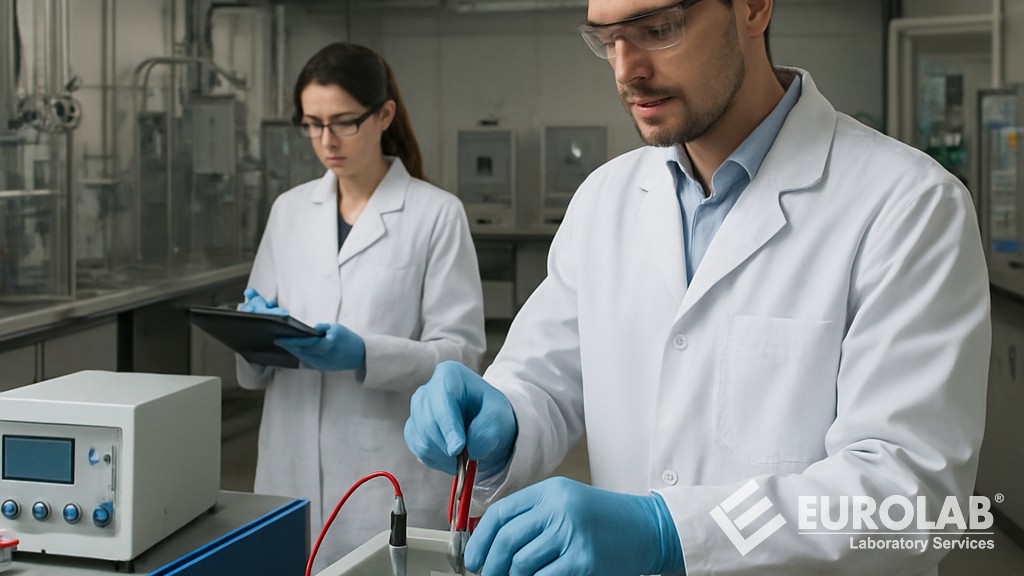
Anodizing (electrolytic or anodic oxidation) is a surface electroplating process in which an aluminum oxide coating is formed on aluminum surfaces through anodic oxidation.
In wrought alloys, two-thirds of the oxide coating (anodic coating) penetrates the material surface, while one-third is deposited on the material surface. This must be taken into account when meeting specified dimensional tolerances (prickling may be required first, depending on the final coating structure). In cast alloys, however, the oxide layer usually penetrates completely into the material surface.
Anodic coatings have four quality criteria:
Anodized surfaces can also be obtained with Quality Class I. Some surfaces can also be produced with functional surface quality. The following criteria apply here:
The criteria applicable to anodized surfaces are listed in the table provided within the standard.
In the world of engineering and manufacturing, technical standards form the backbone of ensuring consistency, safety, and interoperability between products and processes. The CZ-Norm 2203-3 standard, developed within this context, falls under the category of mechanical engineering and plays a crucial role in how engineers communicate complex designs through technical drawings.
While these and similar standards are not generally legally binding, they are widely adopted in industry to meet quality assurance, certification, and contractual obligations. They are particularly indispensable for the manufacturing, automotive, and aerospace sectors.
Anodizing is an electrochemical process that enhances corrosion resistance, wear properties, and aesthetic appearance of aluminum and its alloys by forming a durable oxide layer on their surface. This process is widely used in industries such as aerospace, automotive, and electronics, where aluminum components need to withstand harsh environments. Accurate representation of anodized surfaces is crucial for ensuring production precision and compliance with quality standards.
In cross-sections (full, half, or broken), anodized surfaces require special scanning to separate the oxide layer from the base material. This standard specifies uniform scanning patterns for solid materials (e.g., 45-degree cross lines at 3-5 mm intervals), while for coatings, cross-scans or distinct patterns indicate a thin oxide film (typically 5-75 µm thick). This prevents misinterpretations in manufacturing processes where the anodizing layer adds minimal thickness but alters surface properties.
Visible outlines are drawn with continuous thick lines, while hidden edges (including beneath the anodized layer) are drawn with dashed thin lines. For anodized parts, notes clarify whether the dimensions apply before or after processing, as anodization requires approximately 50 percent penetration and 50 percent deposition into the substrate, which can shift dimensions by 0,03–0,08 mm.
Mismatches in representation can lead to errors such as inadequate masking of teeth or contact points, resulting in uncoated areas or burn marks from abrasion.
In the Czech automotive industry, anodized aluminum conforming to this standard increases the durability of automotive parts. Best practices include:
In conclusion, while the CZ-Norm 2203-3 standard provides the basic framework for views and sections, the anodizing representation is based on integrated notes taken from ISO 7599 and ISO 10074 standards. This ensures that drawings reflect not only the geometry but also the functional purpose, minimizing production risks. As digital tools evolve, these standards will continue to integrate traditional drawings with modern anodizing requirements.
For many years, our organization, with its competent and experienced staff, has been understanding the needs of its customers, providing the advanced testing services they require, and assisting in the establishment, implementation, and improvement of management systems. Within this framework, we also provide testing services to businesses in accordance with the "CZ-Norm 2203-3 Galvanically Produced Surfaces - Anodic Coating" standard.
To get an appointment, to get more detailed information or to request an evaluation, you can ask us to fill in our form and reach you.

