

The use of well-characterized materials to construct packaging systems is the primary means of ensuring that the packaging system is suitable for its intended use. Materials are characterized so that their properties and characteristics match the performance requirements of the packaging system, facilitating the deliberate selection of appropriate materials.
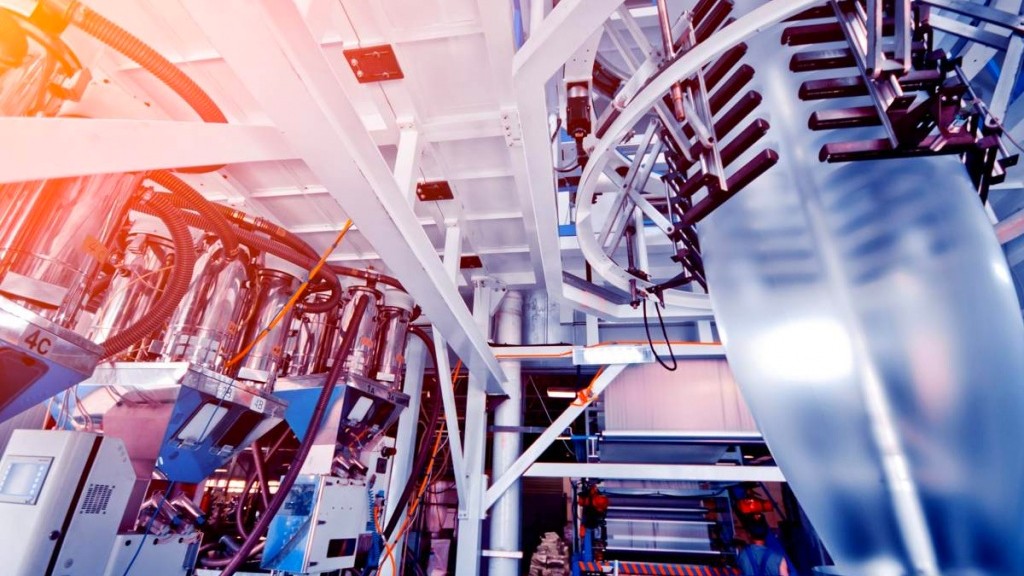
For the purposes of “USP General chapter <661.1> Plastics manufacturing materials” published by the United States Pharmacopeia (USP), a plastic construction material is considered well characterized for its intended use if the following properties have been adequately determined: its identity, biological reactivity, general physicochemical properties, and composition (i.e., additives likely to be present).
Extractable elements can also be important for the selection of construction materials for a packaging system and are therefore a relevant aspect of material characterization. Construction materials can vary greatly in terms of the elements intentionally and unintentionally added and their potential uses. Therefore, it is difficult to provide universally effective and efficient testing methodologies, target element lists and reporting requirements. It is the responsibility of the materials user to assess the need for extractable element testing and, if such testing is necessary, to determine and justify the means by which the testing is performed, taking into account the extraction conditions, target elements and reporting requirements.
In accordance with the Expert Council Rules and Procedures, published by the Expert Committee on General Sections - Packaging and Distribution, the purpose of the section “General section <661.1> Plastic manufacturing materials” is to provide methods to be used to determine the suitability of plastic construction materials used in packaging systems for pharmaceutical products.
Individual plastic construction materials are considered well characterized if they meet the requirements of this section or if they are used in a packaging system that meets the requirements of “General section <661.2> Plastic packaging systems for pharmaceutical use.” Testing and qualification of plastic packaging systems and components for pharmaceutical use is discussed in section <661.2>.
General section <661.1> contains tests, methods, and acceptance criteria for the following materials: cyclic olefins, polyamide 6, polycarbonate, polyethylene, polyethylene terephthalate, polyethylene terephthalate G, poly(ethylene-vinyl acetate), polypropylene, polyvinyl chloride, and polyvinyl chloride, plasticized.
Other plastic construction materials may be used in packaging systems if their suitability for use has been determined by tests consistent with the general procedures and specifications provided in this section for the materials specified above. Alternatively, individual plastic construction materials are considered well characterized and suitable for use if they are used in a packaging system that meets the requirements of <661.2> of the General chapter.
Given the wide variety of materials and packaging systems available and the potential for new developments in materials and packaging systems, it is possible for plastic packaging systems to be constructed from materials not specifically addressed in this section. Construction materials not specifically addressed in this section are referred to as “non-covered materials.” In order for a non-covered material to be considered compliant with this section, it must be characterized in ways similar to those used for materials specified in this section. In particular, the non-covered construction material must be characterized by appropriate methodology and tested for biocompatibility, physicochemical properties, additives, and relevant extracted metals.
Specifications for non-considered materials should be established and should be consistent with the specifications for materials covered in this section. For example, non-considered materials whose aqueous extracts are tested for total organic carbon levels should have specifications consistent with the total organic carbon specifications for materials covered in this section.
The test methods in this section are suitable for their intended purpose as demonstrated by their long-term use and therefore reflect acceptable practice. However, other methods and procedures may be equally suitable. Therefore, alternative test methods and procedures may be used but should be equivalent to or better than appropriate, validated and complementary methods.
Table 1 in this section provides guidance on the appropriate application of chemical tests and biological reactivity tests for oral and topical dosage forms, including oral tablets, oral hard and soft gelatin capsules, oral powders, solutions and suspensions, topical powders, and aqueous-based topical solutions and suspensions. Table 2 provides guidance on the appropriate application of chemical tests and biological reactivity tests for all other dosage forms.
Among the numerous testing, measurement, analysis and evaluation studies that our organization has provided for businesses in various sectors, it also provides testing services defined in the “USP General section <661.1> Plastic manufacturing materials” section with its trained and expert staff and advanced technological equipment.
To get an appointment, to get more detailed information or to request an evaluation, you can ask us to fill in our form and reach you.

