

The Toyota engineering standard, “TSH1562G Oil Stain Resistance Test Method for Interior Part Paint,” describes a test method for evaluating oil stain resistance on painted interior automotive parts. This standard includes a standardized procedure to assess how well painted surfaces (typically interior trim, panels, switches, buttons, etc.) resist staining or discoloration when exposed to oil, grease, or similar contaminants common in real-world vehicle use (e.g., from hands, lotions, food residue, or maintenance lubricants).
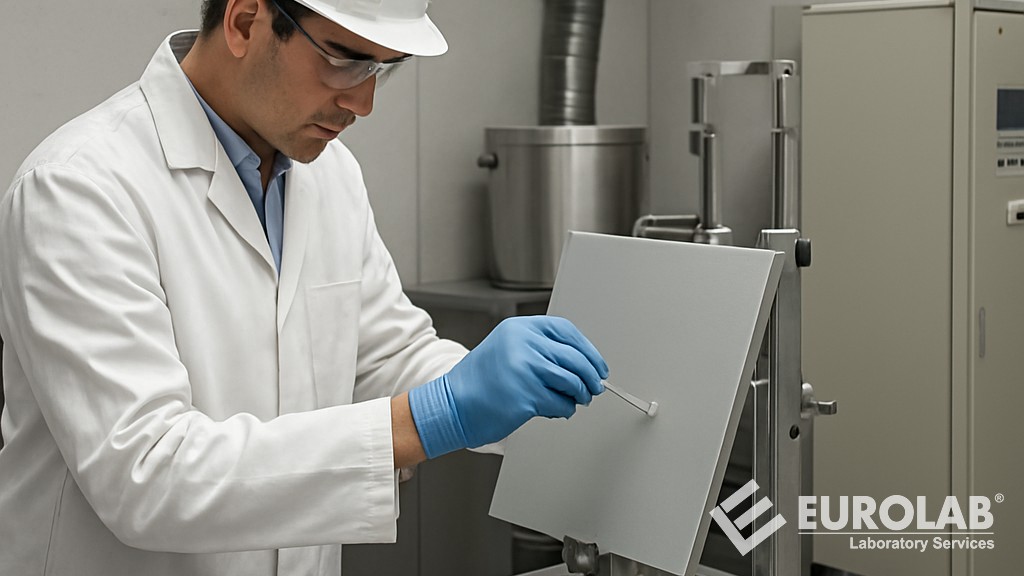
This standard is part of Toyota’s broader package of material and paint quality standards for interior components, ensuring long-term appearance, durability, and customer satisfaction.
This testing method is particularly applicable to the following:
The TSH1562G standard is included in lists of automotive material testing methods used by laboratories, along with related Toyota standards such as the following:
In general, oil stain resistance tests in the automotive industry follow this approach:
Generally, requirements for Class A (highly visible, frequently touched) surfaces are stricter than for hidden or less critical areas.
The TSH1562G standard is commonly used by:
For those working on Toyota projects, supplying interior painted parts, or conducting material qualification tests, the TSH1562G standard is one of the fundamental methods to follow for grease-related durability.
In short, the TSH1562G standard is part of a group of Toyota paint performance standards that ensure interior coatings maintain their appearance and durability when exposed to oils, greases, or similar contaminants during vehicle use. Such contaminants can originate from human contact (skin oils, cosmetics), lubricants, or maintenance products.
Automotive interior components such as instrument panels, door panels, consoles, and control panels are frequently touched and exposed to oily substances. This standard ensures that coatings applied to these components do not discolor, soften, or deteriorate upon exposure.
The main objectives of the TSH1562G standard are as follows:
The described test method generally follows these steps:
The TSH1562G standard is often used in conjunction with other Toyota coating evaluation standards. For example...
These standards collectively evaluate the durability, corrosion resistance, scratch resistance, and stain resistance of automotive coatings.
TSH1562G is generally applied in the following situations:
By verifying oil resistance, this standard helps ensure that internal components maintain a clean and high-quality appearance even after prolonged use.
In conclusion, the TSH1562G standard is a specific Toyota engineering standard that tests the resistance of interior automotive paint coatings to staining from oils and greasy substances. It plays a vital role in ensuring the long-term aesthetic durability and cleanliness of vehicle interior parts.
For many years, our organization, with its competent and experienced team, has been understanding the needs of its clients, providing the advanced testing services they require, and assisting in the establishment, implementation, and improvement of management systems. Within this framework, we also provide testing services compliant with the TSH1562G standard to businesses.
To get an appointment, to get more detailed information or to request an evaluation, you can ask us to fill in our form and reach you.

