SES N 3126 Zinc Coated Steel Plate
Developed by Suzuki Motor Corporation as part of its standards for cast iron and iron-based materials, the “SES N 3126 Zinc-coated steel sheet” standard is a material standard used for zinc-coated (galvanized) steel sheet and strip materials. This standard ensures the correct selection and use of sheets with high corrosion resistance, especially in automotive applications.
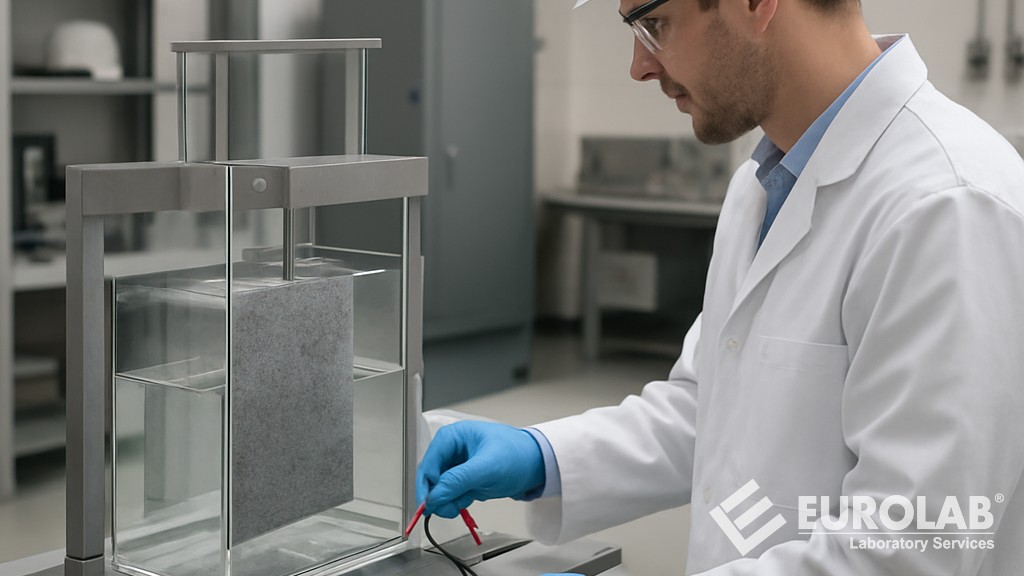
In the automotive industry, zinc-coated steel sheets (galvanized steel) are widely used to protect vehicle parts from corrosion while maintaining strength and manufacturability. Practical applications in manufacturing include:
- Applications of zinc-coated steel:
- Fuselage (BIW):
- Exterior panels: doors, hood, roof, fenders
- Interior panels: reinforcements, posts (Poles A, B, C)
It prevents rust caused by rain, humidity, and road salt.
- Lower body components:
- Base panels
- Chassis reinforcements
It is critical for corrosion resistance to water, mud, and salt.
- Structural parts:
- Cross elements
- Side elements
Zinc-coated steel combines strength and corrosion protection.
- Lids and small parts:
- Fuel tanks
- Brackets, hinges
It provides a long service life without the need for additional heavy coatings.
- How it is used in production:
- Material selection: Engineers select zinc-coated steel based on the following criteria:
- Coating type:
- Hot-dip galvanized: Thicker coating provides better corrosion resistance.
- Electro-galvanized): Smoother surface, better for visible parts.
- Strength class: Mild steel, high-strength steel)
- Sheet metal processing:
- Cutting and molding:
- Coils: Cut from sheet metal or molds.
- Laser cutting or stamping preparation
- Shaping / pressing:
- Deep drawing (doors, hoods)
- Bending and stamping
The zinc coating should not crack or peel during shaping.
- Combining methods:
- Resistance point welding:
- The most common method for fuselage BIW assembly
- The zinc layer affects the current, requiring parameter adjustment.
- Other methods: Laser welding and adhesive bonding (increasingly used)
- Surface treatment and painting: Although corrosion-resistant, additional coatings are applied.
- Painting process:
- Cleaning / degreasing
- Phosphating
- Electroplating (electroplating)
- Primer and topcoat paint
The zinc coating improves paint adhesion and durability.
The importance of zinc plating is as follows:
- Corrosion protection mechanism:
- The barrier protection prevents moisture from entering.
- In sacrificial animal protection, zinc corrodes instead of steel.
- Extended vehicle lifespan: Prevents rust punctures (holes in body panels).
- Less maintenance: There will be fewer repairs or replacements needed.
The advantages of zinc-coated steel sheets in automotive applications are as follows:
- High corrosion resistance
- Good moldability (for complex shapes)
- Suitable for mass production.
- More cost-effective than stainless steel.
Engineers should consider the following in design:
- Coating thickness (g/m2): affects durability.
- Source parameters: zinc affects heat flow.
- Edge protection: cut edges are more vulnerable.
- Shaping limits: prevents coating damage.
The basic steps of this process are as follows:
- Zinc-coated coil selection
- Cutting into blanks
- Pressing/shaping parts
- Welding to assemblies
- Painting and finishing
- Vehicle installation
The SES N 3126 standard and similar standards provide the following:
- The correct coating type and thickness
- Consistent quality among suppliers.
- Reliable corrosion performance
In conclusion, zinc-coated steel is important because modern vehicles need to provide the following:
- It lasts 10-15 years without rusting.
- Survival in harsh environments (salt, humidity)
- Maintaining its structural integrity
Without the SES N 3126 standard, vehicle durability and safety are significantly reduced.
In general, zinc-coated steel sheets are steel plates whose surface has been coated with zinc. The coating methods are generally hot-dip galvanizing and electro-galvanizing. The aim is to protect the steel against rust (corrosion). Zinc coating protects the steel with both barrier protection (surface coating) and cathodic protection (zinc oxidizes first).
Galvanized steel sheets, covered by the SES N 3126 standard, play a critical role in the automotive industry. Their main applications include:
- Body panels
- Door interiors and exterior panels
- Chassis and subbody parts
- fenders and hood
- Fuel tank and support parts
It is ideal for parts exposed to moisture, salt, and road conditions in particular. It is essential for long-lasting vehicle design.
Materials conforming to the SES N 3126 standard generally provide the following properties:
- Corrosion resistance: Provides high resistance to rust thanks to zinc coating.
- Good formability: Suitable for cold forming, pressing, and deep drawing.
- Weldability: Suitable for resistance spot welding.
- Surface quality: Provides a suitable surface for painting and coating processes.
This standard generally defines the following parameters:
- Coating type (hot-dip galvanized, galvanneal, and electro-galvanized)
- Coating weight (g/m2)
- Mechanical properties:
- Yield strength
- Tensile strength
- Elongation
- Surface quality (Class A and Class B surfaces)
- Tests:
- Salt spray test
- Coating adhesion test
- Thickness measurement
Without standards like SES N 3126,
- Part lifespan is inconsistent.
- Corrosion problems increase.
- Quality differences arise among suppliers.
The benefits of this standard are as follows:
- Global quality standardization
- Supplier compatibility
- Long vehicle lifespan
- Reducing warranty costs
In conclusion, the SES N 3126 standard,
- It is an automotive quality standard for galvanized steel sheets.
- Main purpose: corrosion resistance + production suitability
- It plays a critical role in the body and structural parts of modern vehicles.
For many years, our organization, with its competent and experienced team, has been understanding the needs of its clients, providing the advanced testing services they require, and assisting them in the establishment, implementation, and improvement of management systems. Within this framework, we also provide testing services compliant with the SES N 3126 standard.



