
SES N 3101 General Specification for Structural Steel
Developed by Suzuki Motor Corporation as part of metallic material standards, the “SES N 3101 General Specification for Structural Steel” standard describes general requirements for structural steels used in automotive and industrial applications. This standard ensures that steel materials used in structural components meet consistent criteria in terms of strength, quality, safety, and manufacturability.
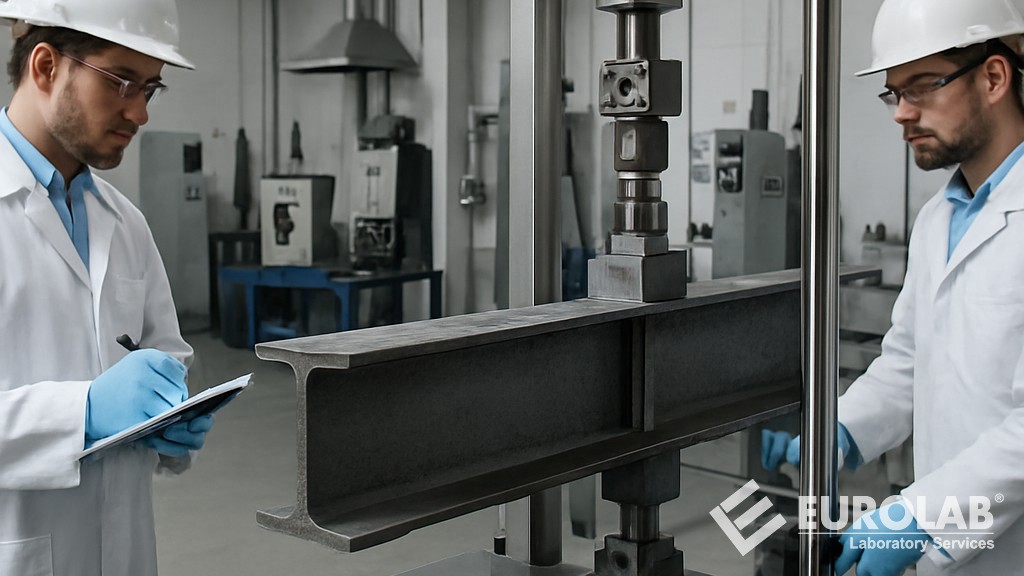
This standard typically applies to hot-rolled steels, sheets, plates, and structural profiles used in load-bearing components.
The SES N 3101 standard covers common structural steels used in:
- Vehicle frames and chassis
- Reinforcements and brackets
- Mechanical support components
This standard includes requirements for the following:
- Chemical composition
- Mechanical properties
- Surface quality
- Examination and testing
This standard is comparable in purpose to international standards such as JIS G 3101, which specifies hot-rolled steels for general structural use.
Material requirements are defined in this standard as follows:
- Chemical composition: This standard checks for basic alloying elements such as those listed below:
- carbon fibre
- Manganese
- Silicon
- Phosphorus
- Sulfur
These limits provide the following:
- Good weldability
- Sufficient ductility
- Fragile, resistant to fracture.
- Mechanical properties: Typical requirements include:
- Yield strength (load-carrying capacity)
- Tensile strength (maximum stress before fracture)
- Elongation (ductility)
- Impact resistance
For reference, general structural steels (e.g., SS400 according to JIS standards) typically have tensile strengths of around 400–510 MPa, indicating the expected level for such materials.
The SES N 3101 standard may be applicable to the following products:
- Steel plates and strips
- The boards
- Bars and profiles
- Structural sections
These shapes are used depending on the application (e.g., pressing or load-bearing beams).
Quality requirements are defined in this standard as follows:
- Surface quality: Must be free from cracks, delamination, and foreign matter. Must be suitable for forming and welding.
- Dimensional tolerances: Thickness and flatness must conform to specified tolerances. This ensures compatibility during assembly processes.
The materials must undergo the following tests and inspections:
- Tensile test
- Chemical analysis
- Visual inspection
- Optionally:
- Bending tests
- Impact tests
These tests and inspections ensure consistent performance and compliance.
The SES N 3101 standard applies to steels commonly used in the following areas:
- Automotive structural parts
- Industrial machinery
- Construction-related components
- Reinforcement structures
They are preferred because of the balance between strength, weldability, and cost-effectiveness.
The SES N 3101 standard is required because,
- It provides structural safety in vehicles.
- Ensures material consistency among suppliers.
- It supports global compatibility with other standards.
- Reduces the risk of material failure and recalls.
- It enables efficient production and resource processes.
The SES N 3101 standard is conceptually compatible with the following standards:
- JIS G 3101 Rolled steels for general construction.
- ASTM A36/A36M Carbon structural steel standard
- EN 10025 Hot-rolled products of structural steels
All of these standards define the basic structural steel performance for engineering applications.
The main purpose of this standard is as follows:
- To ensure that the steel used in the vehicle structure is safe and durable.
- Establishing material standardization among suppliers.
- Ensuring consistency in production and quality processes.
The Suzuki SES N 3101 standard is necessary because it is based on the needs for safety, quality, and consistency in automotive manufacturing. The main reasons why this standard is considered important are as follows:
- Ensuring vehicle safety: Structural steels are used in the most critical parts of the vehicle:
- Chassis (frame)
- Load-bearing elements
- collision zones
Thanks to this standard,
- Minimum strength is guaranteed.
- Controlled deflection is achieved upon impact.
- Passenger safety is protected.
This standard is essential; using different grades of steel poses a vital risk.
- Ensuring supplier standardization: Suzuki Motor Corporation works with numerous suppliers worldwide. This standard...
- It ensures that its supplier complies with the same technical requirements.
- It guarantees that the same part will deliver the same performance.
- It ensures compatibility in global production.
- Clarifying quality and testing processes: This standard explicitly states the following:
- Which tests need to be done?
- Which constraint needs to be met?
- What are the acceptance/rejection criteria?
In this way,
- The debate disappears.
- Quality control becomes objective and measurable.
- Preventing production problems: This standard affects not only the final product but also the production process:
- Sourceability criteria
- Chemical composition limit
- Surface quality
This way, the following are prevented:
- Weld cracks
- Material fractures
- Manufacturing defects
- Legal and industrial compliance: The automotive sector must comply with safety regulations and international standards. The SES N 3101 standard,
- It is based on general standards such as JIS G 3101.
- However, it imposes additional requirements specific to Suzuki.
- Cost and risk reduction: Thanks to this standard,
- The use of faulty materials will decrease.
- The risk of recall decreases.
- Costs decrease in the long run.
In conclusion, the Suzuki SES N 3101 standard is a fundamental material specification that ensures structural steels used in Suzuki-related applications meet stringent requirements in terms of strength, reliability, and manufacturability. It plays a vital role in maintaining product safety and quality consistency throughout the supply chain.
For many years, our organization, with its competent and experienced team, has been understanding the needs of its clients, providing the advanced testing services they require, and assisting them in the establishment, implementation, and improvement of management systems. Within this framework, we also provide testing services compliant with the SES N 3101 standard.

