EN 12046-1 Actuation Forces - Test Method - Part 1: Windows
The European standard "EN 12046-1 Operating forces - Test method - Part 1: Windows" describes a test method to determine the force required to engage or release the hardware of a window and to initiate movement of a sash or window sash in both opening and closing directions. This test method is valid for manually operated windows. It is also valid for products made of any material.
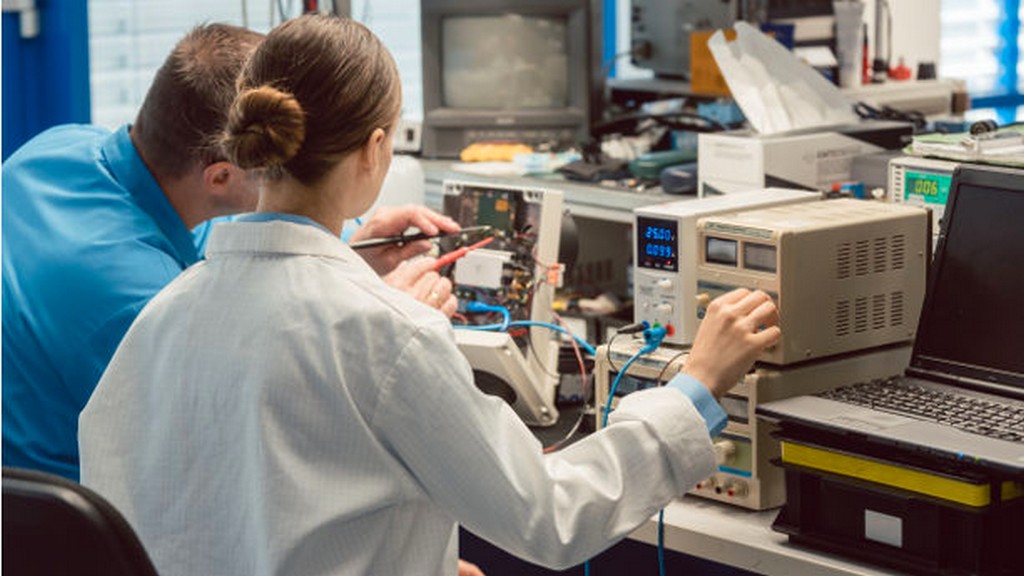
For the purposes of this standard, the following terms and definitions apply:
- Manual operation forces refer to the force required to manually operate windows.
- Rectilinear motion refers to the movement of the wing or equipment in a straight line under the action of an actuating force, as well as the movement along an arc whose radius is large in proportion to the length of the arc.
- The rotational motion is usually the rotational motion of the hardware, the spring of a wrench, but also applies to a vane, which moves along a circular path when actuated by an operating torque.
- Flap weight refers to the weight of the opening or closing flap including its padding.
The basic principle of this test method consists of measuring the minimum static force or torque required for the following types of activities:
- To release or lock hardware (locks or levers)
- To initiate the opening of the flap or wing
- To keep the sash from opening and closing (in the case of vertical sliding windows)
- For complete closure of the sash or wing
Upon customer request, tests can be performed on wings that will only be opened for cleaning or maintenance work.
The apparatus used in these tests includes:
- Test rig: A rigid steel frame with movable steel supports1 to which subframes containing test specimens of various sizes can be mounted. A means for applying forces or torques uniformly and without shock with an accuracy of plus or minus 5 percent. This device is an apparatus incorporating a measuring and recording device, such as weights and pulleys, or an analog or digital measuring device to determine the measurement at which the required force or torque can be applied uniformly, with a resolution of 1 N or 0,1 Nm. In either case, the apparatus does not affect the test results.
- Linear motion: A linear actuator (hydraulic cylinder or other suitable device) combined with an electronic load cell and measuring and recording equipment that can smoothly reach the required maximum force. Alternatively, a weight and pulley mechanism is used. The device is aligned with the nominal direction of motion of the wing or vane and is mounted so that it does not deviate from it by more than plus/minus 5 degrees.
- Rotary exerciser: A torque meter that can measure the torque required to operate the mechanism. The equipment has a connection piece for connection to the equipment (lever and wrench) that will ensure the correct alignment of the forces during the test. Alternatively, a weight and pulley mechanism can be used. This apparatus also contains all kinds of measuring and recording equipment. The connection between the measuring device and the test specimen should be such as to prevent local damage to the test specimen and should not affect its performance in any way.
The test specimen is delivered fully functional. It must be suitable for fixing to the surrounding frame in accordance with the manufacturer's published recommendations or standardised instructions.
Among the numerous testing, measurement, analysis and evaluation studies that our organization has carried out for businesses in various sectors, it also provides testing services defined in the “EN 12046-1 Operating forces - Test method - Part 1: Windows” standard with its trained and expert staff and advanced technological equipment.



